- | 9:00 am
The AI revolution is making everything from PCs to smartphones even more expensive
Rising prices for two key types of computer memory are set to have a big knock-on effect on everything from PCs to smartphones.
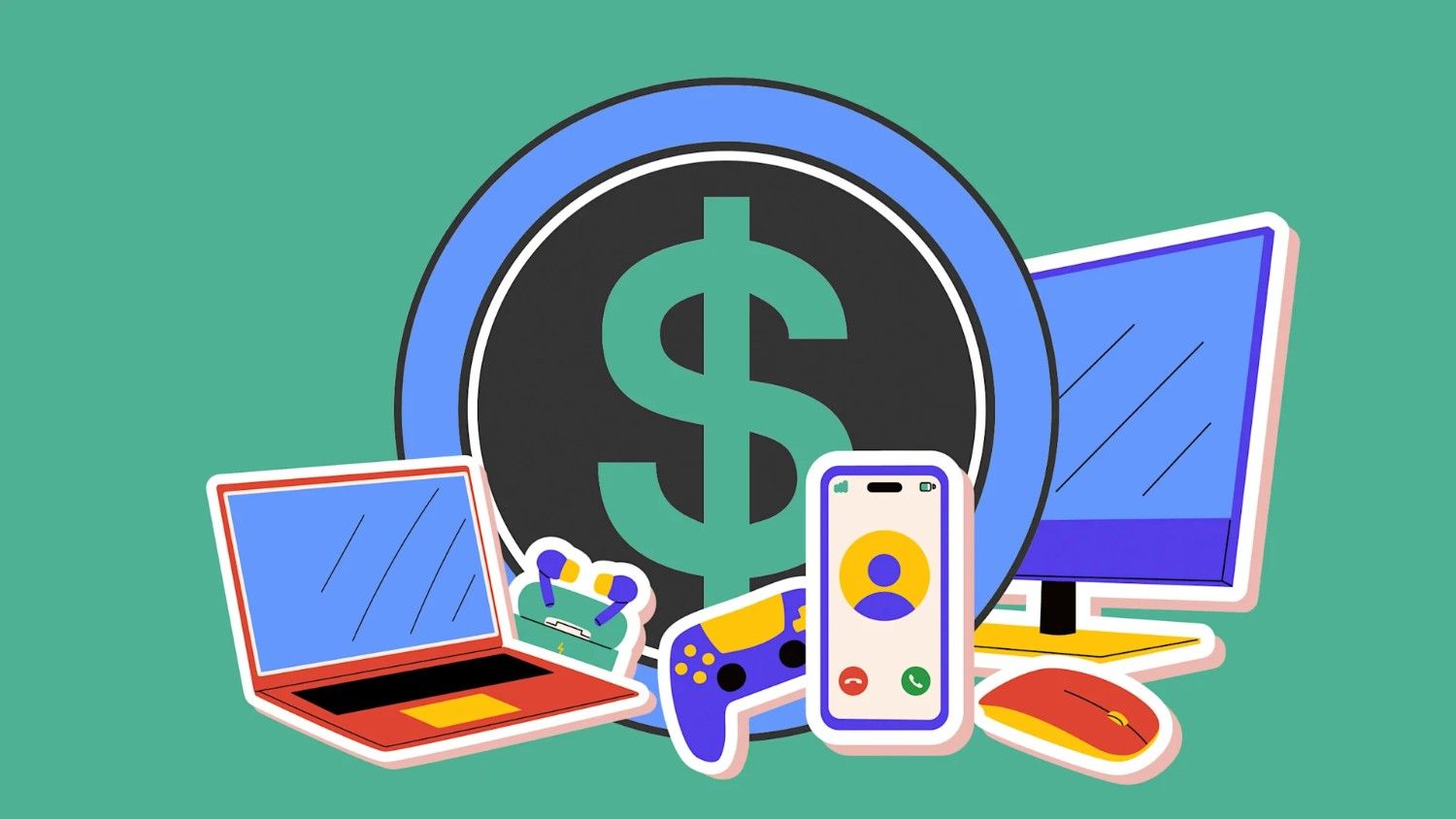


If you’re planning on buying a PC, laptop, or cell phone in the coming months, a word of advice for you before Christmas: Buy now, not later. Prices are likely set to spike in the new year—due to a shortage of memory chips.
Memory and storage for DRAM and NAND, two major types of computer memory, have seen costs rise between 30 and 40%, year-on-year—in some cases, they’re even doubling. This impacts the bill of materials (BOMs), or the cost of individual items to make, PCs, and especially low-end smartphones, where margins are thin and the proportional cost increase is more severe.
The sudden spike in memory prices is part of a decades-long pattern of semiconductor supply cycles—but this one is coming unusually fast, driven by unexpected demand from big tech companies building data centers for AI training and inference.
“There is an occasional cycle of supply shortages or some high demand bridges coming in once or twice a decade—it goes about 40 years back,” says Runar Bjørhovde, research analyst at Canalys. He estimates that we’ve experienced seven “steep” cycles so far.
What’s different now, he says, is the speed and the cause. “This has developed really, really quickly.”
As a result, the foundries manufacturing chips and memory are prioritizing the high-performance compute chips needed for data centers, as well as higher-paying customers like Microsoft, Google, and Amazon Web Services, because scarce raw materials and limited capacity force them to funnel resources to the most profitable segments.
“As memory components become more limited and more expensive, manufacturers face increasing pressure to raise prices,” says Anthony Scarsella, research director at IDC, which tracks cell phone shipments and sales. “While some OEMs will inevitably be forced to raise prices, others will adjust their portfolio towards pricier models with higher margins to absorb some of the memory impact on BOM,” he says. “Next year will be a challenging time for the industry.”
Because of that, the average price of a smartphone will rise to around $465 next year, up from $457 in 2025 according to IDC data, even as total shipments in 2026 dip slightly because some buyers are priced out or delayed by component shortages. The biggest squeeze is expected in the low-to-mid range Android segment, where customers are most sensitive to price rises and vendors have the least room to absorb higher memory costs. On PCs, the picture is similar. “A PC makes up about 15 to 18% of the bill of materials … that goes in putting together a PC,” says Bjørhovde of the memory and storage share.
“It entirely seems to be driven by the extreme data center demand that’s happening currently,” says Runar Bjørhovde, research analyst at Canalys. So a lot of Nvidia investments are really pushing a lot of companies doing semiconductors forward.”
Bjørhovde isn’t convinced that there’ll be “ludicrous” price rises, estimating that costs to end users could rise by 10% or 20%. Nevertheless, on a several-hundred-dollar device, that can make an impact.
Some of that could be mitigated by smartphone companies stomaching some of the rise and reducing their margins, Bjørhovde says. That shift could also change what you actually get when you unbox a device. In some categories, especially budget phones, vendors are more likely to hold the price and trade down the quality of other parts outside of the memory, such as their camera, display, or processor.
But there’s only so much they can trim before the device becomes so outmoded that it’s not worth buying. “The list of components that can be downgraded is extensive,” Scarsella reckons.
Most buyers may not notice the trade-offs. “I think the average smartphone is upgraded every three years or so,” Bjørhovde says. He suggests that at the point of upgrade, you might well have forgotten what you paid for your last device. But if you’re the kind of customer who buys the latest iPhone Pro or top-end Android, you’re likely to end up paying a little more, or getting slightly less storage for the same sticker price.
For now, prices have held steady, with the cost increase not yet feeding through to end-user pricing. But that will soon change, warn the experts. So if you’re looking to upgrade your PC or phone, bringing that purchase forward could save money. Industry executives are warning the memory crunch has only just started.