- | 11:00 am
We need more data communication not data visualization
We’ve lost trust in data. A human-centered approach to data visualization can help us rebuild it.
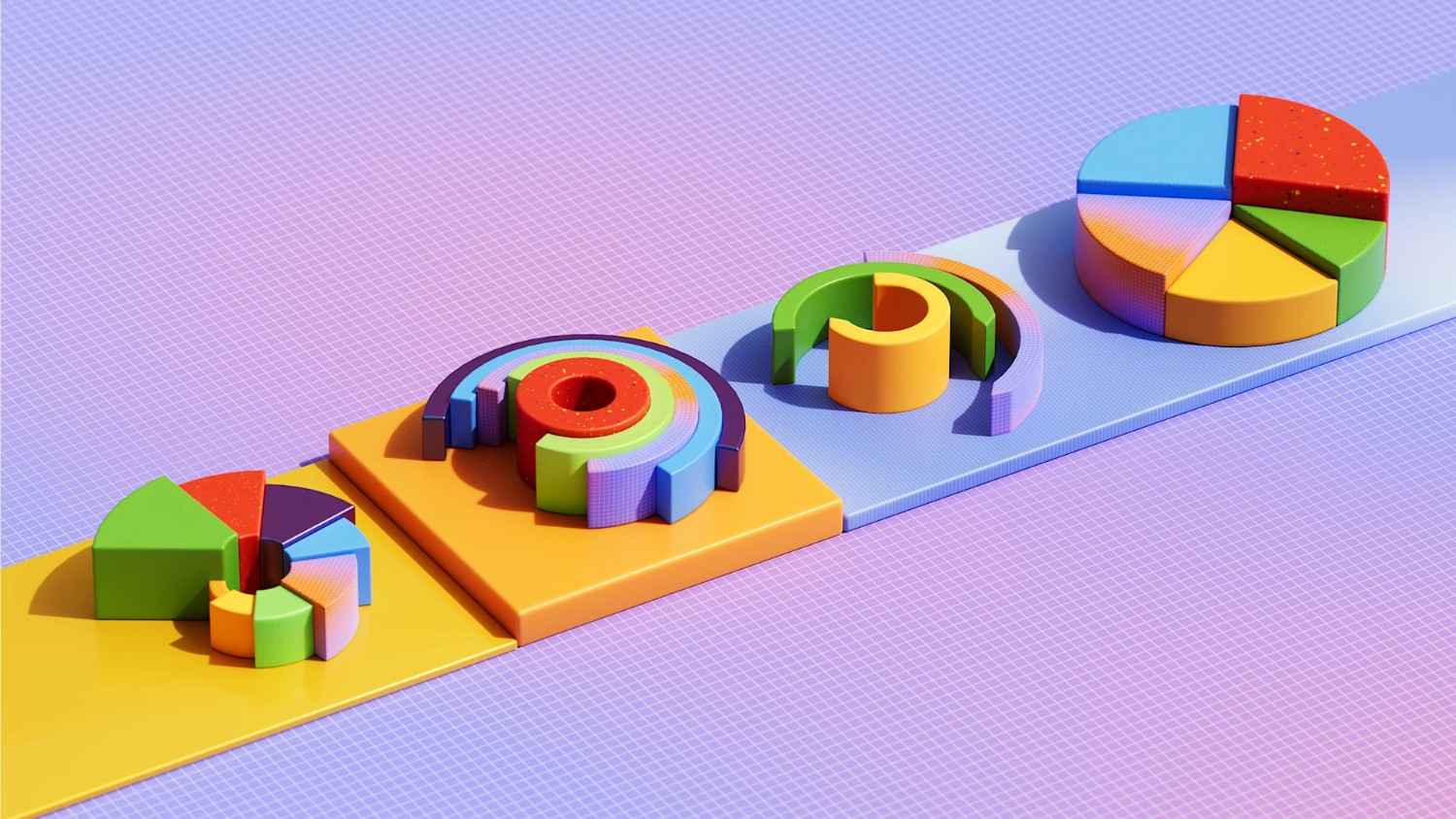


Public trust in the media and in data has been undercut by information overload, relentless social media cycles, and targeted influence campaigns. Whether driven by politics, social movements, or commercial interests, the credibility of what we see and hear is under threat. By thinking through the ways that we’ve lost our trust, we might find more ways to reverse the trend and bring people back together.
Last month, Gallup released the latest results of a survey on trust in the media that began in 1972. It showed that current confidence in the mass media is at a new historic low. A majority trusting public in 1972 has now flipped to being a majority distrustful public in 2025.
As with most data sets, the subtleties are more complicated. During the first Trump administration, trust rebounded significantly—and then backslid to its lowest point ever after the pandemic. Looking at the data from a partisan lens, overall trust fell across all three groups, with Republicans being the least trusting. But the shock is the growth of the “no trust at all” category: those least trusting Democrats barely changed, but for Republicans, it surged.
Social Media Has Worked Us Over Completely
The way people around the world access news and information are largely the same—through the internet. Its growth has been so extreme in our lifetime, one can hardly blame us for acting a bit weird. In 1990, only 25 million people used the internet globally—about 0.6% of the world. By 2025, 5.6 billion people use social media every day. That’s 64% of the world, a roughly 20,000% increase — and we now spend about six and a half hours online every day.
This explosive growth over the past 35 years has brought with it a variety of technological and social innovations and challenges. How we interact with information keeps changing, and with it, our language and culture also adapt. It reminds me of this quote by media theorist Marshall McLuhan:
“All media work us over completely. They are so pervasive in their personal, political, economic, aesthetic, psychological, moral, ethical, and social consequences. They leave no part of us untouched, unaffected, unaltered.”
As our connection to the internet grew, it also pushed us apart. Our attention became focused on digital realities and away from our friends and families. This has led to a loneliness epidemic. Studies show that aspects of chronic loneliness impact half of all US adults. And there’s a direct correlation between our lack of trust in the media and the growth of the internet. What was first a feature has become a bug—creating a feedback loop where fear of missing out leads to a reinforcement of what has been missing from many people’s lives.
Putting People First in Data Communication
Too many data professionals focus more on the data rather than the people reading it. We need an approach to communicating data that fosters genuine understanding and human connection—which in turn builds trust. This is as true in business communications as it is in marketing and media. By putting people first in how we understand data and how we communicate it, we address both crises at once. Our mission to restore data credibility should also focus on creating more human connection.
This mindset shift towards data communication comes at a historically appropriate time. Looking backwards; the “big data” trend created vast data storehouses built by data engineers. Data scientists were needed to make sense of the data, and in doing so created AI tools to put data to work in a more proactive way. But over the past 15 years, this also helped create a data credibility issue. Now we need a new create a new generation of data communicators to pick up where data science left off and work to find a new way to make data meaningful to more people.
How We Can Make It Happen
It is a matter of design. To echo the central concepts of design thinking, we have to change our focus from the technology to the humans that need it. Unlike UX design, people do not “use” a dashboard or a data visualization, they “read” them. This small change belays a much bigger impact.
Data communication is a two-step approach: First, we need to understand what the data means to the people who need it. Then, we should use every tool available—words, images, diagrams, and story—to design the conversation around their needs and meet them where they are.
This shift from data visualization to data communication needs a more balanced approach to how we design for data, and we need an extended skill set to equip the next generation of data communicators to do so. In this way, data is a bridge to connect people to discuss the context of the data.
Why this is important to data professionals
While the societal forces that created this loneliness epidemic and the distrust of information are nearly impossible to combat, we must try! It happens with each of us.
Societal changes begin with the individual, and our work as data communicators means that we can design the relationships around us. It’s a personal approach to creating a more empathetic society—a mission that anyone can join, regardless of background and skillset.
As data communicators, our work has a special impact. Every chart, every dashboard, and every story can become a bridge to bring people together and rebuild the credibility of shared truth that joins us. By focusing on the communication of the data, we create bridges to connect people and reinforce systems of trust. By empowering a new generation of data communicators, we can make an impact across a range of professions—in business and industry, media and journalism, communications, and fine art—to build more trust and create more conversations.
Featured Videos
Today's Top Stories:
More Top Stories:




FROM OUR PARTNERS