
- | 3:00 pm
Middle East business travel spending rises nearly 20 percent in 2025
The increase was driven by growth in MICE events, major industry gatherings, and cross-border leadership meetings.



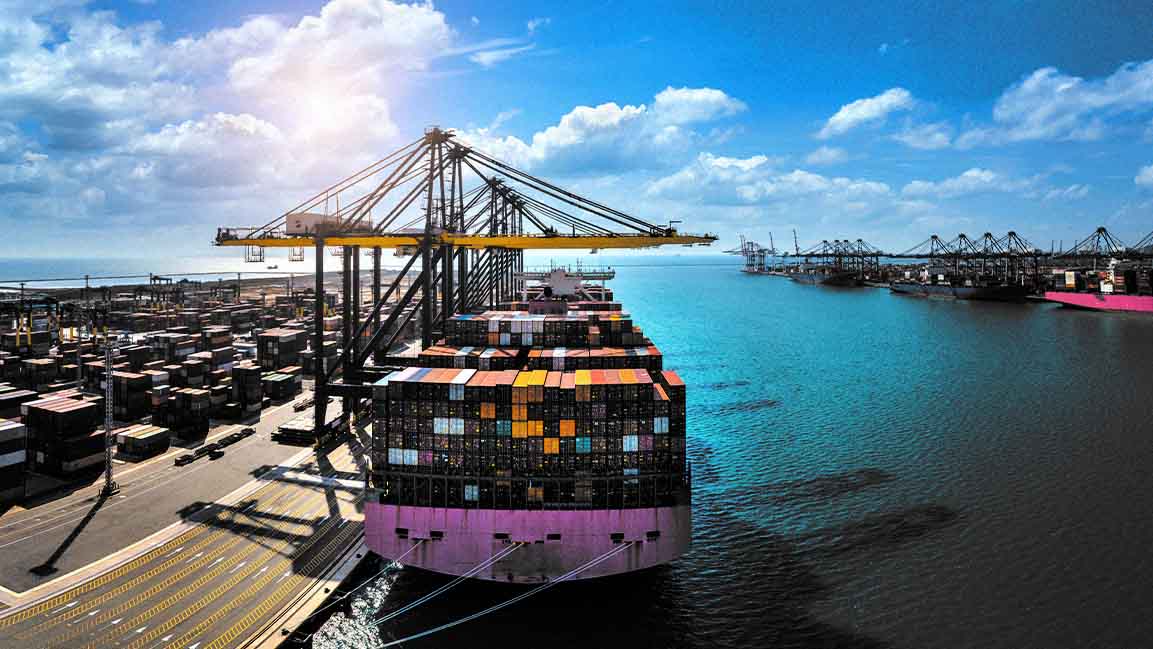
Business travel spending in the Middle East increased by nearly 20 percent in 2025, signaling strong momentum heading into 2026 and reinforcing the region’s growing role in global corporate activity.
Data from musafir.com, based on corporate travel bookings and market trends, shows the growth was driven largely by increased demand for meetings, incentives, conferences, and exhibitions, alongside major industry events and cross-border leadership and strategy meetings. The UAE-based travel management company reported 35 percent year-on-year growth in its corporate travel business, with sustained demand across the UAE, Qatar, and Saudi Arabia.
According to Musafir, travel linked to conferences, trade shows, executive off-sites, and regional expansion initiatives has risen as companies operate more seamlessly across Gulf markets. The company stated that this shift reflects a change in the purpose of business travel, with organizations prioritizing trips that facilitate collaboration, decision-making, and strategic alignment.
Globally, business travel spending reached $1.47 trillion in 2024, underscoring continued confidence in face-to-face engagement despite the widespread adoption of hybrid working models.
However, the structure of corporate travel has undergone significant evolution. Routine, single-purpose trips are declining, while demand is rising for leadership summits, innovation workshops, client engagements, and deal negotiations. Companies are increasingly directing travel budgets toward activities that deliver measurable strategic value.
The Middle East’s emergence as a hub for corporate gatherings is supported by advanced event infrastructure, strong regional connectivity, and a growing calendar of international exhibitions and forums. Cities such as Dubai and Riyadh are increasingly selected for regional and global meetings, offering accessibility across markets and neutral venues for multinational teams.
Musafir has also recorded an increase in travel between the UAE and Saudi Arabia, alongside higher hotel bookings and greater corporate movement linked to construction, real estate, energy, and technology sectors. The company stated that these trends reflect both the scale of regional development and the increasing need for in-person coordination.
Looking ahead to 2026, Musafir expects corporate travel in the Middle East to be shaped by a focus on high-impact collaboration, continued growth in MICE and industry events, rising inter-GCC travel, increased use of technology in travel planning, and more consolidated and sustainable travel strategies.

Featured Videos
Today's Top Stories:
More Top Stories:

FROM OUR PARTNERS