- | 3:00 pm
Middle East prepares for $100 billion annual investment wave by 2026
The UAE and Saudi Arabia are leading $100B in yearly investments across energy, renewables, healthcare, cloud, and manufacturing to drive regional growth by 2026.
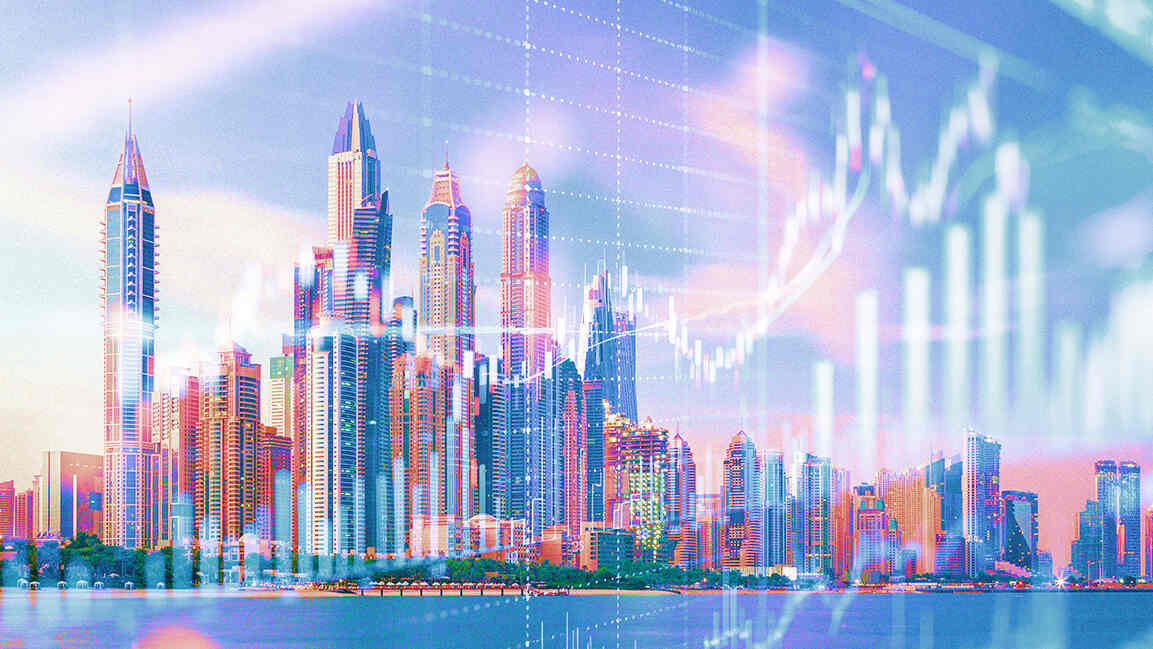


The Middle East is positioning itself for a major investment wave, with more than $100 billion in strategic capital expected annually by 2026, according to a new outlook from Grand View Research (GVR). The expected funding spans energy, renewables, healthcare, digital infrastructure, and manufacturing, reflecting the region’s continued shift toward a more diversified and technology-driven economy.
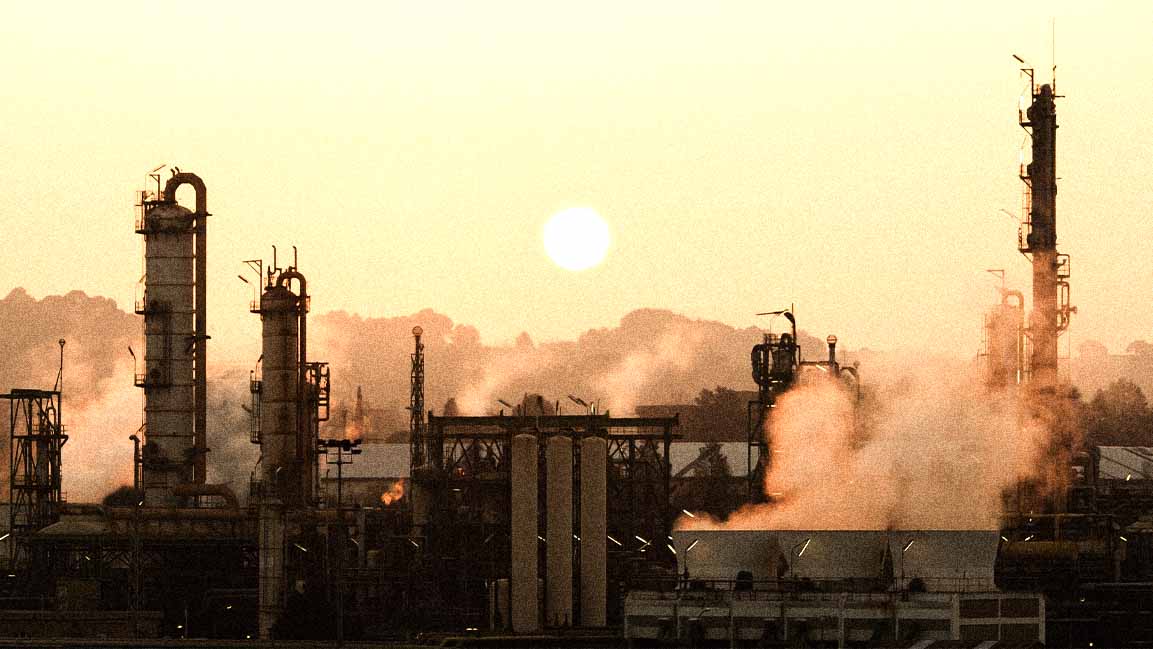
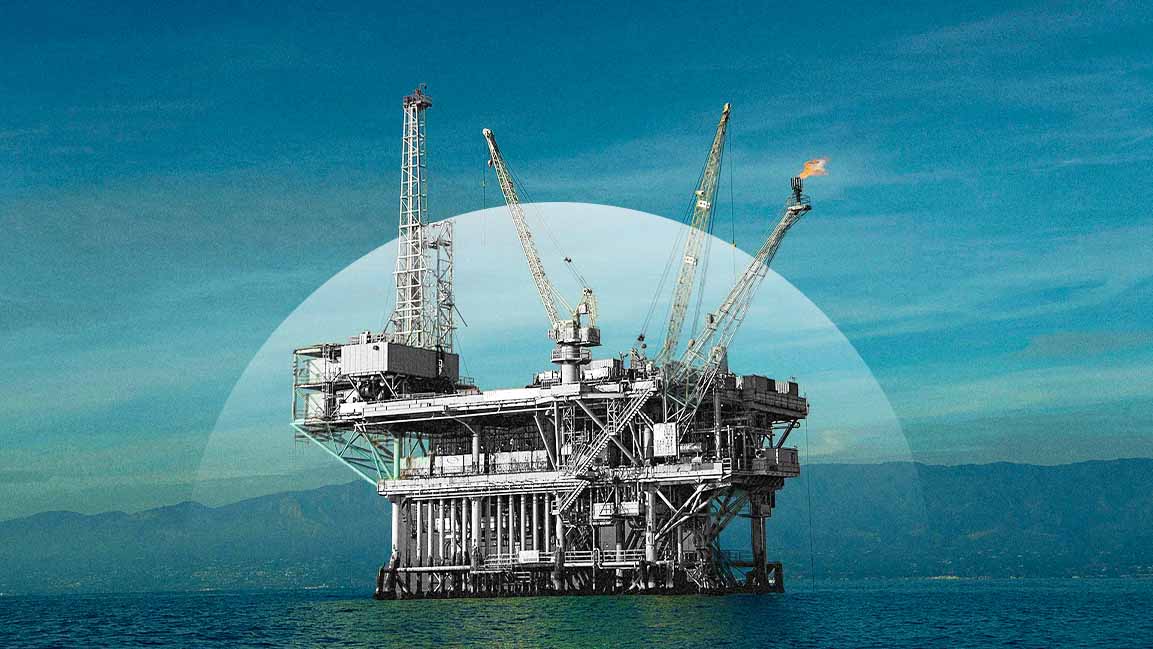
Although the global energy transition is accelerating, oil and gas continue to be the backbone of regional economies, particularly in the UAE and Saudi Arabia. According to GVR, both countries are expected to continue expanding their upstream capacity and export infrastructure, while placing a growing emphasis on digital transformation as a key driver of competitiveness.
National oil companies are increasingly leveraging AI, IoT, drones, and robotics to enhance efficiency, streamline inspection cycles, and lower maintenance costs. At the same time, major investments in carbon capture, storage, and hydrogen are reshaping the sector’s sustainability profile in line with the UAE Energy Strategy 2050. While oil growth may eventually plateau, gas demand is projected to rise by around 3.5 percent through 2026, supported by industrial growth, power generation needs, and LNG exports.
Across the Gulf, the deployment of solar and wind projects continues to accelerate in support of national decarbonization goals and long-term power agreements. Falling solar costs are helping renewables remain competitive, even compared with subsidized natural gas. Battery storage is also gaining momentum, shifting from small pilot initiatives to a fundamental component of renewable energy planning. Both Saudi Arabia and the UAE are now integrating storage into new renewable installations to stabilize electricity grids and manage peak demand.
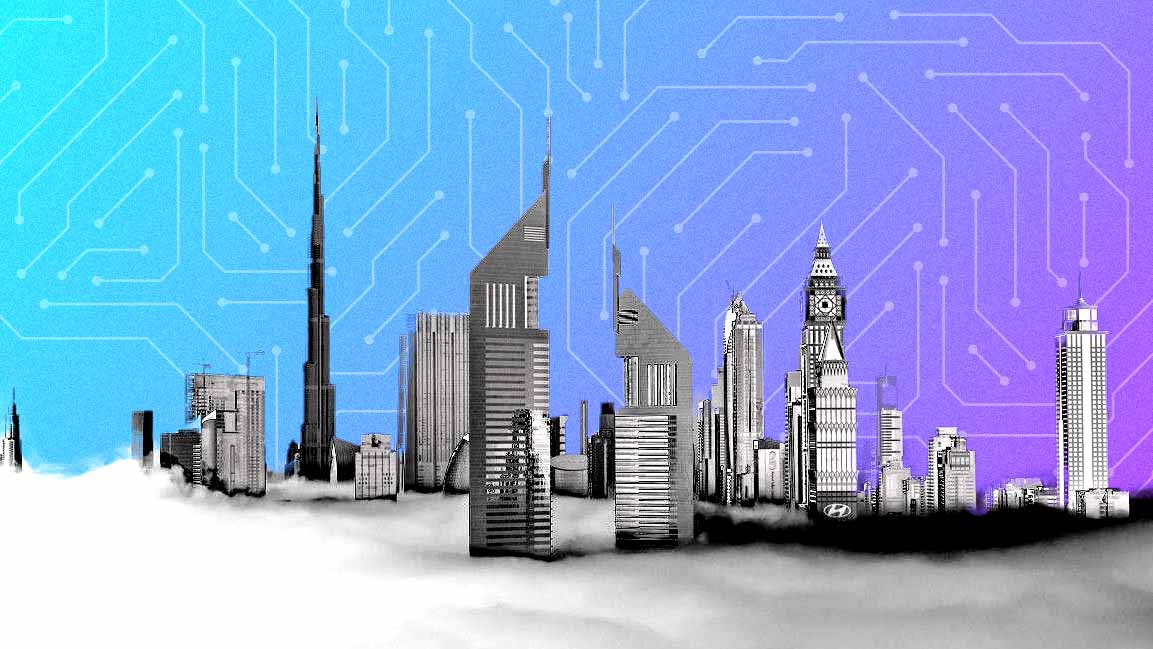
Digital infrastructure has emerged as another major area of capital investment, driven by the rapid adoption of cloud services, AI workloads, and government digitization strategies. The Middle East and Africa data center market is forecast to grow at an annual rate of 11.7 percent between 2025 and 2030, while the cloud computing market is expected to expand even faster at 18.3 percent during the same period.
The UAE and Saudi Arabia are leading this expansion, supported by partnerships with global hyperscalers, public cloud mandates, and the growth of fintech ecosystems. As data usage increases, rising energy consumption and sustainability pressures are reshaping procurement decisions. As AI adoption expands, energy efficiency and water conservation are becoming essential commercial priorities, rather than merely marketing considerations.
Healthcare has also evolved into a strategic investment sector, supported by policy reforms that encourage private sector participation and the introduction of technology-enabled healthcare services. Dubai attracted more than 690,000 medical tourists in 2023, generating over $280 million in revenue and creating additional demand across the hospitality and travel sectors. Meanwhile, the UAE’s national digital health framework is strengthening integration across the healthcare system.
The connection of Riayati, Malaffi, and Nabidh has consolidated 1.9 billion patient records across thousands of facilities, helping to build a unified and interoperable healthcare network. According to GVR, AI diagnostics, virtual care platforms, and data-driven procurement are expected to play an increasingly important role in shaping healthcare investment through 2026.
At the same time, regional industrial strategies are pushing manufacturing toward high-value and more sustainable production models. With global overcapacity and tightening environmental standards, the UAE and Saudi Arabia are shifting their focus beyond traditional bulk chemicals to sectors such as green steel, advanced composites, and circular plastics. This transition aligns with initiatives including Operation 300bn, which aims to scale domestic manufacturing capacity and support automation and advanced industrial ecosystems through robotics and predictive maintenance technologies.
By 2026, the Middle East’s capital spending landscape is expected to reflect a more balanced and diversified approach. Hydrocarbons will continue to anchor economic strength, while clean energy, digital infrastructure, healthcare, and advanced manufacturing drive the next phase of growth and long-term resilience.

Featured Videos
Today's Top Stories:
More Top Stories:

FROM OUR PARTNERS