
- | 1:00 pm
Egypt targets 100,000 vehicles annually under automotive development program
Egypt led the MENA region in automotive investments in 2025, with 27 projects, followed by Morocco with 23 and the UAE with 15.
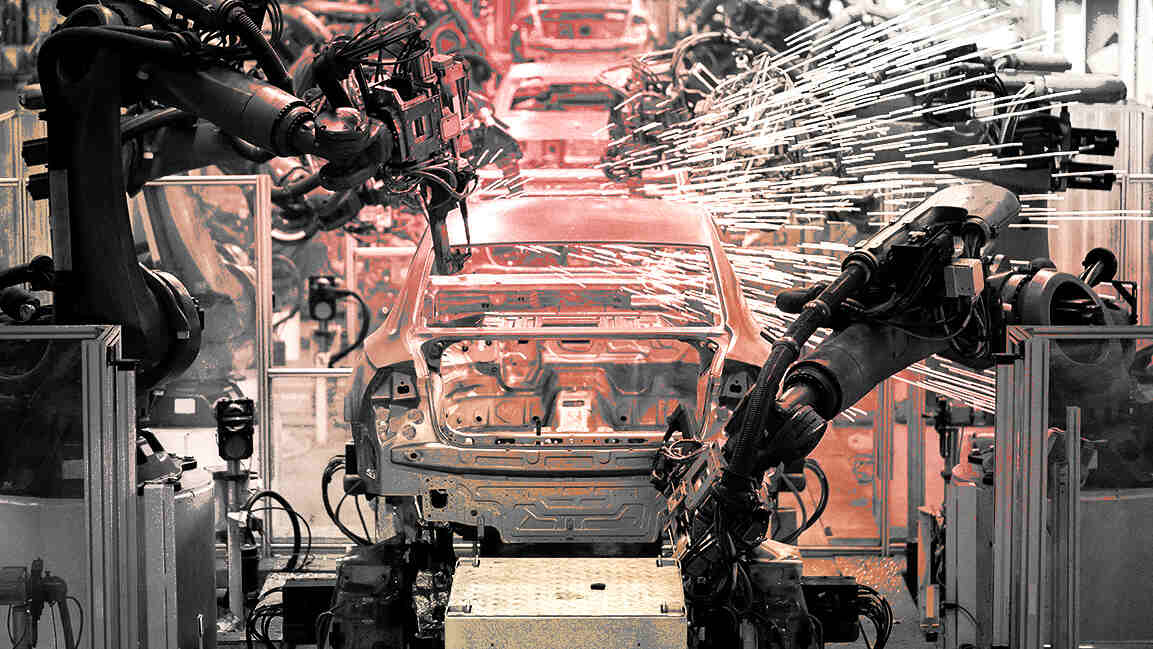


Egypt aims to produce 100,000 vehicles annually under its Automotive Industry Development Program (AIDP) to attract further investment in vehicle manufacturing and reduce reliance on imports.
The Egyptian Cabinet said the program is also designed to steer the industry toward electric vehicles and support the establishment of vehicle development and manufacturing facilities in priority locations.
The initiative forms part of broader efforts to diversify Egypt’s industrial base and increase local value-added amid growing competition for automotive investment across the Middle East and North Africa.
According to a Fitch Solutions report published earlier this month, Egypt led the MENA region in automotive investments in 2025, with 27 projects, followed by Morocco with 23 and the UAE with 15. The report noted that 28 automotive projects were announced or inaugurated across the region in the fourth quarter of 2025, with Egypt securing eight—the highest share.
The Cabinet said the AIDP aims to raise local value-added to 60% and increase the local component in vehicles to more than 35%, citing projects such as Geely’s assembly plant and El Nasr Automotive as key examples of sector activity.
Fitch noted that nearly a quarter of the 100,000 vehicles targeted under the program are expected to be exported, supported by incentives for manufacturers that scale up production. Under the seven-year scheme, companies must produce more than 10,000 vehicles annually to qualify for incentives, with a minimum of 5,000 units per model.
The ratings agency said the program has helped sustain investment interest in Egypt’s automotive sector, attracting capital into both vehicle assembly and component manufacturing in line with the government’s localisation strategy. This momentum is expected to continue into 2026 as incentives remain in place to encourage capacity expansion and higher local content.

Featured Videos
Today's Top Stories:
More Top Stories:





FROM OUR PARTNERS