
- | 9:00 am
BNPL in the Middle East is more than accessibility—it’s how loyalty is built
In markets such as Saudi Arabia, the UAE, and Egypt, BNPL sits at the intersection of inclusion, trust, and experience
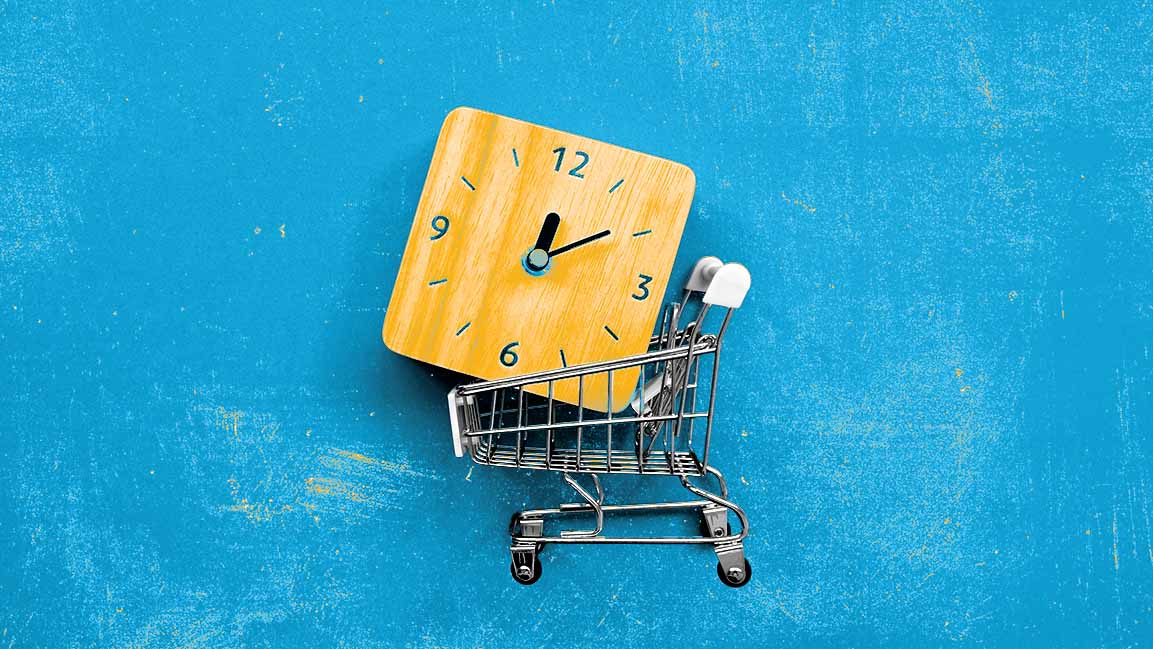


Buy Now, Pay Later (BNPL) started as a simple way to split payments at checkout, but it is now steadily becoming a key part of the Middle East’s retail and fintech scene. What began as a solution to affordability is now reshaping how brands attract customers, build loyalty, and create long-term value. It is also pulling new groups of people into the formal retail economy.
In markets such as Saudi Arabia and the UAE, where digital commerce adoption is high and consumer expectations are shifting quickly, BNPL sits at the intersection of inclusion, trust, and experience.
The question is no longer whether BNPL boosts conversions—most retailers already know it does—but whether its deeper impact lies in widening access, redefining credit behavior, and reshaping how consumers relate to money itself.
REGIONAL ROOTS: A SNIPPET ON HOW BNPL TOOK HOLD
BNPL grew in the Middle East alongside the rise of e-commerce, but its expansion depended on both regulation and demand. The UAE emerged as an early testing ground, with platforms such as Tabby launching in 2019 and integrating rapidly across fashion, electronics, and lifestyle retail.
According to a report by Research and Markets, the BNPL market in the Middle East is set to grow to about $11.74 billion by 2030 — essentially doubling in size as it becomes part of everyday spending and shopping habits.
Other players, such as Postpay and Spotii, made installment payments at checkout more common. The UAE Central Bank supported this trend by focusing on transparency and consumer protection.
Saudi Arabia followed with rapid adoption. Founded in 2020, Tamara scaled quickly across travel, fashion, and essential retail, operating within a clearer framework shaped by the Saudi Central Bank (SAMA).
Egypt’s BNPL market began earlier, with platforms such as Valu and Fawry offering installment payments for big-ticket items, all under the supervision of the Financial Regulatory Authority (FRA).
BEYOND THE BUY BUTTON
BNPL grew quickly because it was simple: transparent installments, no interest, and instant approval at checkout. Now, leading players in the region are working to expand what BNPL can offer.
“BNPL proved that people want flexibility and clarity in how they pay,” says Hosam Arab, CEO of Tabby. “At Tabby, those same principles have guided our shift from a single payment method to a complete money app where people can send, spend, and save. Tabby Card as an example now extends flexibility beyond checkout and into everyday life.”
This shift from a simple payment tool to a financial companion reflects a broader recalibration in fintech strategy. BNPL providers are no longer just facilitating purchases; they are embedding themselves into daily spending behavior, discovery, and budgeting. This positions BNPL not only as a retail enabler but as a consumer-facing alternative to traditional revolving credit models.
Mastercard sees BNPL’s growth as closely tied to digital commerce and financial security. “In addition to being the fastest-growing e-commerce payment option worldwide, BNPL has emerged as a powerful tool for strengthening financial security and inclusion among all segments of society,” says Saud Swar, country manager for Saudi Arabia, Bahrain, Jordan, and the Levant at Mastercard. BNPL is now offered both online and in stores and is becoming a part of mainstream payment systems.
FROM SWIPING TO DECIDING
One of the most significant changes BNPL brings is in how people behave, not just how they pay. Unlike credit cards, which delay the impact of spending, BNPL forces an explicit decision at the moment of purchase.
Paying a small amount of the total cost feels easier for most people. BNPL platforms now offer different payment plans. Instead of paying in four installments, which is the default for free or no-interest plans, buyers can now choose a plan with up to 12 installments.
“The biggest shift is control,” Arab explains. “When someone uses Tabby, they’re making a conscious decision about managing their cash flow. That’s fundamentally different from swiping a credit card and dealing with the consequences later. Consumers now expect transparency and flexibility as standard.”
This shift toward intentional spending is seen across retail. Mastercard’s research shows more than half of BNPL users say it helps them handle emergency purchases and budget better for delayed or high-cost items . In Saudi Arabia, airlines have seen frequent BNPL usage among large families, enabling travel that might otherwise be postponed due to high upfront fares.
Retailers are also noticing these behavioral changes too.
“We’ve seen customers become more confident in how they shop,” says Shuja Jashanmal, Group CEO of the Jashanmal Group. “They are increasingly drawn to solutions that combine quality with flexibility. BNPL has helped reinforce these expectations, particularly among customers who value seamless digital interactions and the flexibility to plan their purchases in a way that works best for them”.
BUILT FOR GEN Z, ADOPTED BY ALL
Globally, BNPL is often seen as something for Gen Z or millennials. In the Middle East, though, the picture is more complex. While it started with digital-first users, today BNPL spans a wide demographic range.
“Early adoption was strongest with digital-first customers, largely because that’s where BNPL was available first,” Arab says. “But today, BNPL in this region is mass market. More than half the adult population has used Tabby. The common thread isn’t a demographic, but a preference for transparency and flexibility over credit models built on revolving debt.”
Mastercard’s research supports this regional difference. Globally, Gen Z leads BNPL use, but in Saudi Arabia, millennials are the main users, with people from 26 to 76 using it. This wide range shows that BNPL is valued as a practical budgeting tool, rather than a lifestyle-driven trend.
For long-standing retailers, this wide appeal is important. “BNPL resonates strongly with younger, digital-first audiences who value immediacy and personalization,” Jashanmal says. “It also helps us bridge our heritage with the expectations of the next generation. As retail continues to evolve, it enables us to stay relevant and engage meaningfully with emerging customer segments in a fast-changing market.”
ACCESS WITHOUT THE DEBT TRAP
A key benefit of BNPL is financial inclusion, but in the Middle East, this doesn’t always mean serving the unbanked. Often, it helps people who have jobs and manage money well but are left out by traditional credit scoring.
“There’s a large segment of people in the region who are banked, employed, and budget-conscious, but still fall through the cracks of traditional credit systems,” Arab notes. “BNPL has helped bring those customers into the retail economy by assessing affordability in real time and offering access without interest or long-term revolving debt.”
This real-time affordability model, which looks at how people spend rather than just their credit history, works especially well for essential and lifestyle products. Jashanmal mentions home appliances and household goods as examples where flexible payments help more people buy what they need. “It enables people to access quality products with confidence, making retail more inclusive,” he says.
Mastercard sees this accessibility as both practical and psychological. “Consumers like the ease and transparency built into the product that enables them to make large purchases without going through the rigors of traditional financing options,” Swar explains. He gives examples like replacing a broken refrigerator or handling seasonal expenses without needing to save for months.
TURNING CHECKOUT INTO COMEBACKS
While accessibility remains important, retailers and BNPL providers now view BNPL as a way to build long-term relationships, not just a tool to boost checkout.
“If BNPL is used purely as a conversion lever, brands aren’t realizing its full potential,” Arab says. “When it’s designed to protect customers and build trust, it drives repeat behavior and loyalty.”
At Tabby, that philosophy extends beyond payments into discovery. “We’ve extended this into discovery, driving millions of shoppers to partner stores each month,” Arab adds. “That’s what keeps customers coming back.”
For merchants, it’s becoming clearer that BNPL can increase customer lifetime value. “BNPL should be viewed as a tool for building relationships,” Jashanmal says. “Long-term value comes when it is fully integrated into the customer experience. When customers feel supported and financially empowered, their trust in the brand grows” .
According to Mastercard, BNPL users often make repeat purchases and spend more over time. Open-loop BNPL models, which let people use installments at many merchants instead of just one, also make things easier and help keep customers coming back by removing the need to sign up again and again.
FROM CHECKOUT TO CONNECTION
As BNPL grows, it is playing a bigger role in personalizing offers using data. With customer permission, brands can use details like when people buy, how much they spend, and what they can afford. This helps with everything from promotions to planning inventory.
“The optimal use of BNPL for businesses also includes the ability to harness the power of data, analytics, and insights into consumer behavior to tailor their offerings to the needs and preferences of their target customers,” Swar says. “They can also easily measure the impact of their decisions on revenue generation”.
For consumers, this increasingly translates into smoother, more intuitive journeys—fewer surprises, clearer pricing, and payment plans that align with real lives. That emphasis on experience is where BNPL’s future value may ultimately lie.
WHAT’S NEXT?
Looking forward, BNPL’s future is closely linked to new payment technologies like tokenization, digital wallets, and AI-powered shopping.
“We expect continued growth in digital wallets and BNPL models, which are making transactions simpler, faster, and more flexible for customers,” Jashanmal says.
He adds: “Together, these innovations are transforming the retail experience, making it more seamless, convenient, and aligned with the expectations of today’s digitally savvy consumers.”
Mastercard expects payment experiences to become even easier and safer, thanks to technologies like tokenization and AI. These tools could make shopping more personal and build more trust in digital systems.
For Arab, the north star remains unchanged: clarity, control, and trust. “The common thread isn’t a demographic,” he reiterates. “It’s a preference for transparency and flexibility over credit models built on revolving debt.”
So, is BNPL mainly about accessibility and inclusion? In the Middle East, it’s both. BNPL is making access easier, but it’s also changing how people use credit, how brands build loyalty, and how retail is designed.