- | 1:00 pm
Sharjah’s Language Council highlights Samir Al-Droubi’s role in preserving Arab scientific heritage
The council highlighted the role of long-term scholarship in safeguarding and renewing Arab scientific heritage
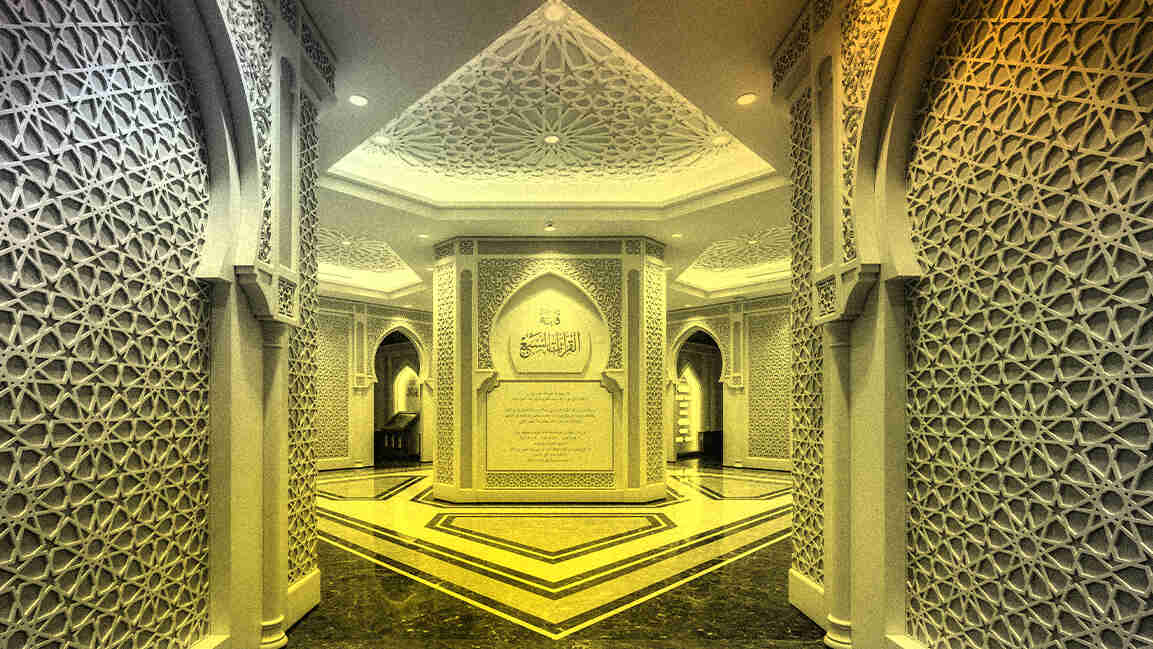


As part of its ongoing efforts to strengthen awareness of the Arabic language and reconnect with its scientific and intellectual legacy, the Arabic Language Academy in Sharjah dedicated its eleventh Language Council to exploring the scholarly journey of Samir Al-Droubi, with a focus on authorship, classification, and critical editing.
The session brought together academics, educators, and Arabic-language specialists and was attended by Dr Amhamed Safi Al-Mustghanemi, the Academy’s Secretary-General. Moderated by Dr Ahmed Aqili, the council examined how sustained scholarly practice can preserve Arab scientific heritage while keeping it relevant for contemporary audiences.
During his presentation, Al-Droubi traced key trajectories in research and textual criticism, highlighting their role in knowledge-building across generations, Emirates News Agency reported.
He highlighted Arab scientific contributions in experimental and applied disciplines, particularly agriculture, drawing on Al-Filaha Al-Andalusiyya by Ibn Al-Awwam Al-Ishbili. According to Al-Droubi, the methodologies and experiments documented in the work influenced the European Renaissance, with aspects that remain applicable today.
Opening the session, Al-Mustghanemi emphasized the value of engaging directly with scholars who have spent decades working in authorship and classification. He described Al-Droubi’s career as an integrated scholarly path spanning history, civilisation, Arab-Islamic thought, and the art of maqamat, noting that such encounters align with the Academy’s mission to translate scholarly expertise into accessible cultural knowledge that bridges generations.
Al-Droubi explained that his specialization in maqamat emerged from his critical edition of Al-Suyuti’s texts. Far from being simple narrative forms, he argued, maqamat represent a dynamic and evolving knowledge genre addressing medicine, botany, agriculture, astronomy, linguistics, and social and political critique. The process required four years of manuscript collection and textual collation, opening a wide window onto the interdisciplinary depth of the Arabic intellectual tradition.
He added that while some maqamat convey direct meanings, others contain layered symbolism that can only be understood through close reading and historical context. Reflecting on chancery manuals and administrative writing, Al-Droubi also noted that Arab heritage in this field reached exceptional levels of organization and precision, further evidence, he said, of the sophistication of Arab scholarly systems.
The eleventh Language Council reaffirmed the Academy’s role in safeguarding intellectual heritage, while positioning Arab scholarship as a living resource rather than a closed historical archive.

Featured Videos
Today's Top Stories:
More Top Stories:




FROM OUR PARTNERS