
- | 11:00 am
Can modern architecture become heritage? Abu Dhabi thinks so
The broader list spans schools, mosques, water towers, public parks, transport hubs, and civic complexes, from neighbourhood souqs to sports clubs — reflecting the layered narrative of a city built at speed but rooted in place.
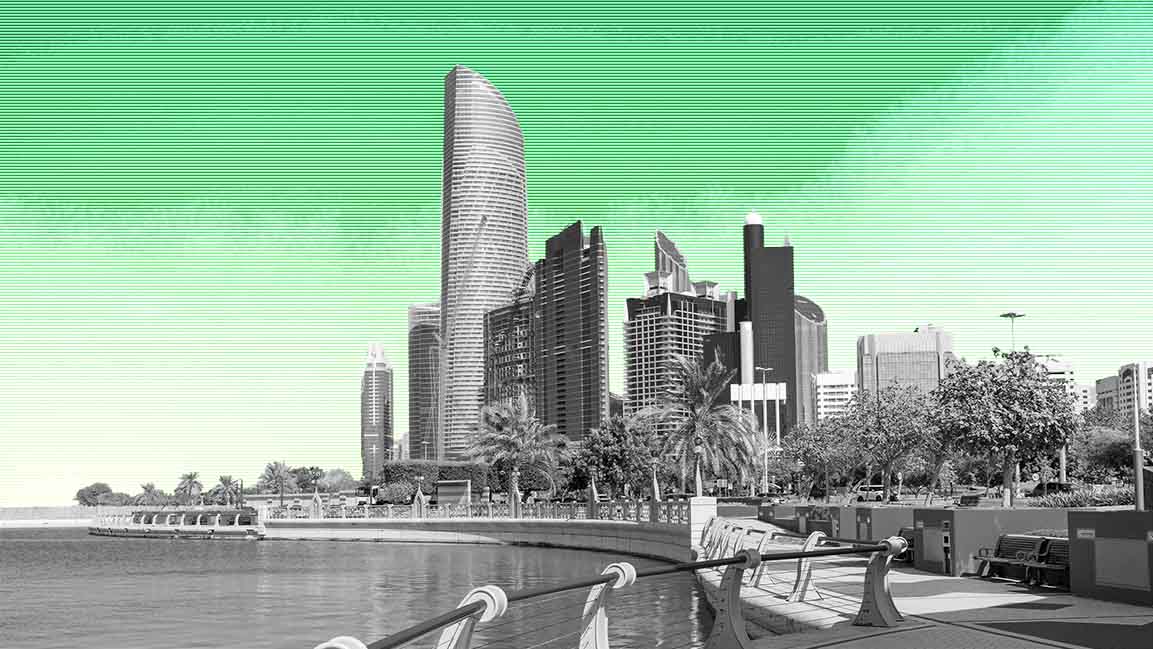


As Gulf cities race toward the future, Abu Dhabi is doubling down on preserving the architecture that tells the story of its rapid transformation. In a move that reinforces the emirate’s commitment to cultural continuity, the Department of Culture and Tourism – Abu Dhabi has added more than 40 new sites to its Modern Heritage Register, expanding a programme first launched in 2022.
The latest tranche follows three years of documentation and evaluation from 2023 to 2025, marking a more systematic phase in safeguarding buildings and spaces that reflect Abu Dhabi’s post-oil development, civic evolution, and social memory. The expansion aligns with the emirate’s 2016 Cultural Heritage Law and the Culture Sector’s broader strategy to protect heritage assets, strengthen national identity, and foster public appreciation of the capital’s diverse urban fabric.
“Abu Dhabi’s modern heritage is a cornerstone of our cultural identity,” said Saood Abdulaziz Al Hosani, Under-Secretary at DCT Abu Dhabi. “By formally registering these pivotal sites, we reaffirm our commitment to recognising, protecting, preserving, and celebrating the architectural and urban legacy that continues to shape our communities.”
He added that the steady growth of the register signals the programme’s maturity and reflects the work of the Modern Heritage Nomination Committee in securing assets for future generations, positioning modern heritage as a bridge between the emirate’s past and its forward-looking ambitions.
Among the newly listed landmarks is the former Abu Dhabi International Airport Terminal 1, inaugurated in 1982 and emblematic of the capital’s early aviation expansion. The Al Ain Museum, established in 1969 as one of the UAE’s earliest cultural institutions, also joins the register, alongside the former National Consultative Council Building, recognised for its role in shaping early governance and civic dialogue.
The broader list spans schools, mosques, water towers, public parks, transport hubs, and civic complexes, from neighbourhood souqs to sports clubs, reflecting the layered narrative of a city built at speed but rooted in place.

Featured Videos
Today's Top Stories:
More Top Stories:


FROM OUR PARTNERS