• | 2:00 pm

North Africa is moving deeper into global value chains. Can progress withstand tighter capital flows?

New IMF report spotlights Egypt and Morocco as growth leaders, even as foreign investment across Africa slumps
North Africa is moving deeper into global value chains. Can progress withstand tighter capital flows?
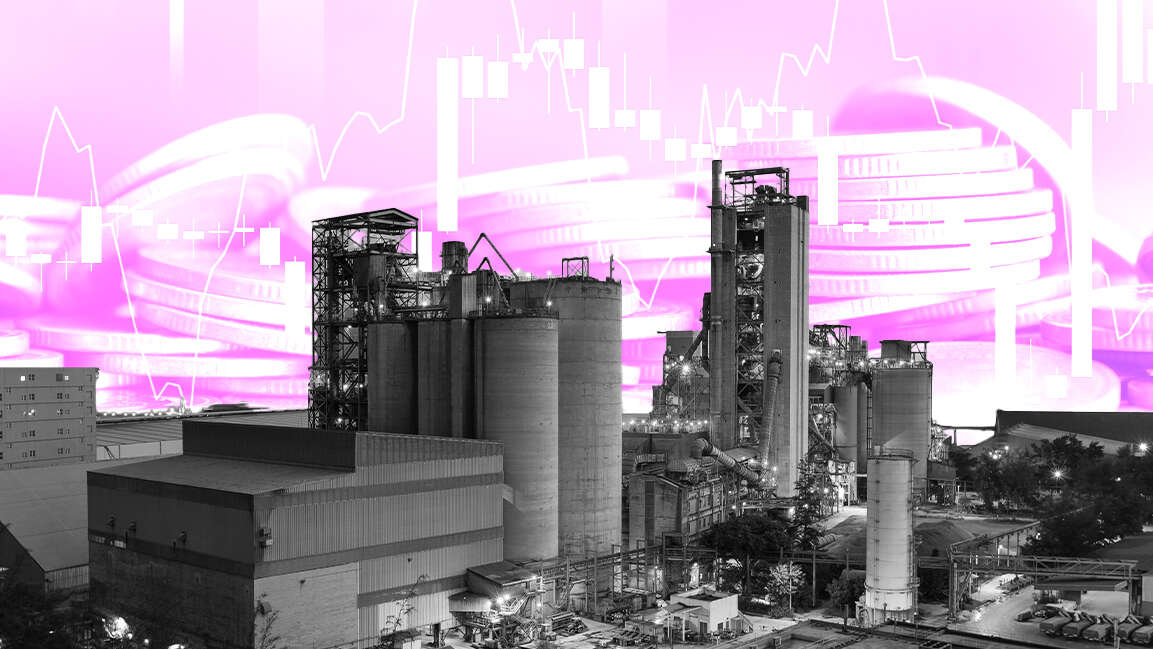
[Source photo: Krishna Prasad/Fast Company Middle East]

North Africa is emerging as one of the most closely watched growth stories of early 2026. A new report from the International Monetary Fund argues that the region, led by Egypt and Morocco, is consolidating its position as a trade, manufacturing and investment corridor linking Europe, Sub-Saharan Africa and the Middle East.

The February 2026 report, North Africa: Connecting Continents, Creating Opportunities, outlines how geography, infrastructure expansion and structural reform are reshaping the region’s economic trajectory at a time of global fragmentation.

According to the IMF, Egypt sustained GDP growth between 4.5 percent and 5.5 percent in 2025, supported by public infrastructure spending, energy development and export expansion. Morocco grew at more than 3.5 percent, with gains concentrated in automotive manufacturing, aerospace and agribusiness. Together, the two economies are positioning themselves as nearshore production platforms for European supply chains under pressure to shorten delivery times and reduce exposure to geopolitical risk.

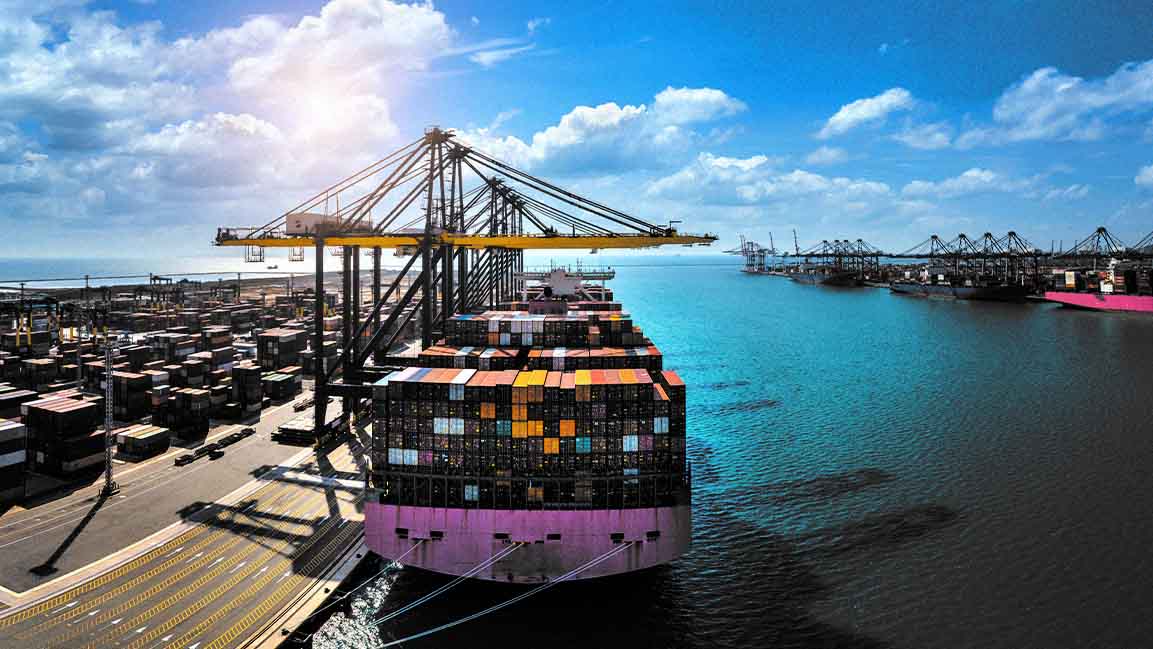
Proximity to Europe offers a structural advantage. Manufacturers in North Africa can reach key EU markets in days rather than weeks, an increasingly valuable proposition as firms rethink global supply chains. The IMF notes that deepening industrial linkages are integrating North African producers more firmly into global value chains, particularly in sectors where speed, logistics reliability and cost competitiveness are decisive.

Infrastructure investment is central to this strategy. Ports, rail corridors, highways and digital networks are being upgraded to facilitate higher trade volumes and faster turnaround times. Customs modernisation and digitalisation reforms are reducing administrative friction, improving predictability for exporters and enhancing the region’s attractiveness for higher value manufacturing and services.

Separate analysis from Global Finance Magazine in late 2025 showed that Egypt, Morocco and Algeria accounted for a rising share of foreign direct investment into African markets. Capital inflows have concentrated in renewable energy, automotive assembly and technology services, sectors aligned with energy transition targets and industrial upgrading strategies.

At the same time, global conditions have deteriorated. Data from the United Nations Conference on Trade and Development cited in January by Ecofin Agency show that FDI flows to Africa fell by 38 percent in 2025. North Africa recorded one of the steepest contractions, highlighting the gap between policy ambition and available global capital.

Structural vulnerabilities persist. Egypt’s public debt hovered near 80 percent of GDP in 2025, limiting fiscal flexibility. Youth unemployment in several North African economies exceeds 20 percent, constraining income growth and domestic demand. Water scarcity, particularly acute in agricultural regions, poses a long-term risk to food security and rural livelihoods.

The IMF argues that continued fiscal consolidation, regulatory reform and infrastructure execution will determine whether North Africa can convert geographic advantage into sustained economic leadership. The near-shoring thesis is compelling, but it depends on policy consistency and macroeconomic stability.

For now, Egypt and Morocco serve as case studies in how strategic location, energy transition investment and industrial policy can reposition a region within global production networks. The critical question for 2026 and beyond is whether this momentum can withstand a cooling global investment cycle and translate into durable, inclusive growth rather than episodic capital inflows.

More Top Stories:

FROM OUR PARTNERS