- | 11:00 am
Egypt’s biogas expansion is turning agricultural waste into a national energy experiment
From June to December 2025, 1,932 biogas units were installed, generating an estimated 2.1 million cubic metres of gas annually.
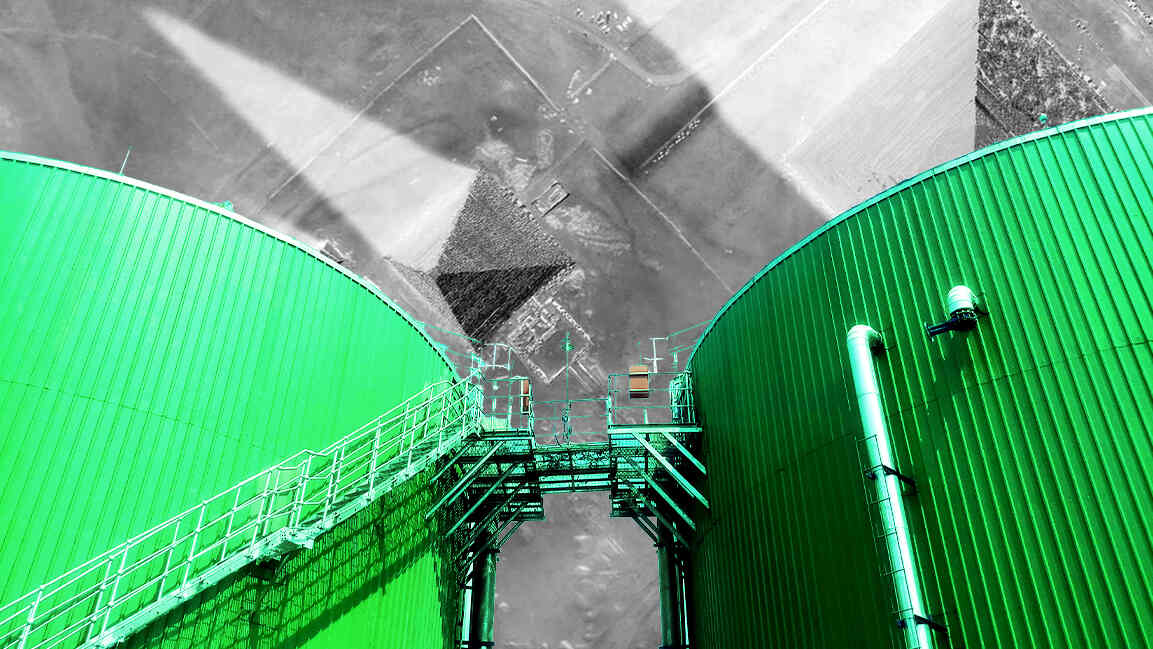


Egypt is stepping up efforts to expand biogas projects as part of a broader push to advance the green economy and improve the use of agricultural and animal waste.
Minister of Local Development and Environment Manal Awad chaired the first board meeting of the Bioenergy for Sustainable Development Foundation for the 2025–2026 fiscal year. Discussions focused on scaling up biogas initiatives nationwide.
In a statement, the ministry said the board approved the foundation’s internal regulations, administrative structure, budget and upcoming work plan. These measures aim to strengthen sustainable development and improve resource efficiency.
Awad highlighted the role of biogas technology in generating energy and electricity while also producing organic fertilizer. She noted its potential to support sustainable agriculture, create jobs and reduce the environmental impact of waste.
She directed officials to establish a biogas unit at the 15 May slaughterhouse in Cairo, expand a successful model in Kafr Shokr and roll out similar projects in Upper Egypt and Wadi El Natrun.
The minister also emphasized the importance of ensuring the long-term viability of existing units through regular maintenance, close operational oversight and comprehensive feasibility studies before launching new projects.
Between June and December 2025, the foundation implemented 1,932 biogas units, producing an estimated 2.1 million cubic meters of gas annually. This is equivalent to around 70,000 LPG cylinders and involved processing nearly 53,000 tons of animal waste.

Featured Videos
Today's Top Stories:
More Top Stories:


FROM OUR PARTNERS