- | 2:00 pm
GCC energy sector remains a global powerhouse despite dip in oil output
New data from the GCC Statistical Centre shows the GCC energy sector remains a major force in global markets while expanding renewables.
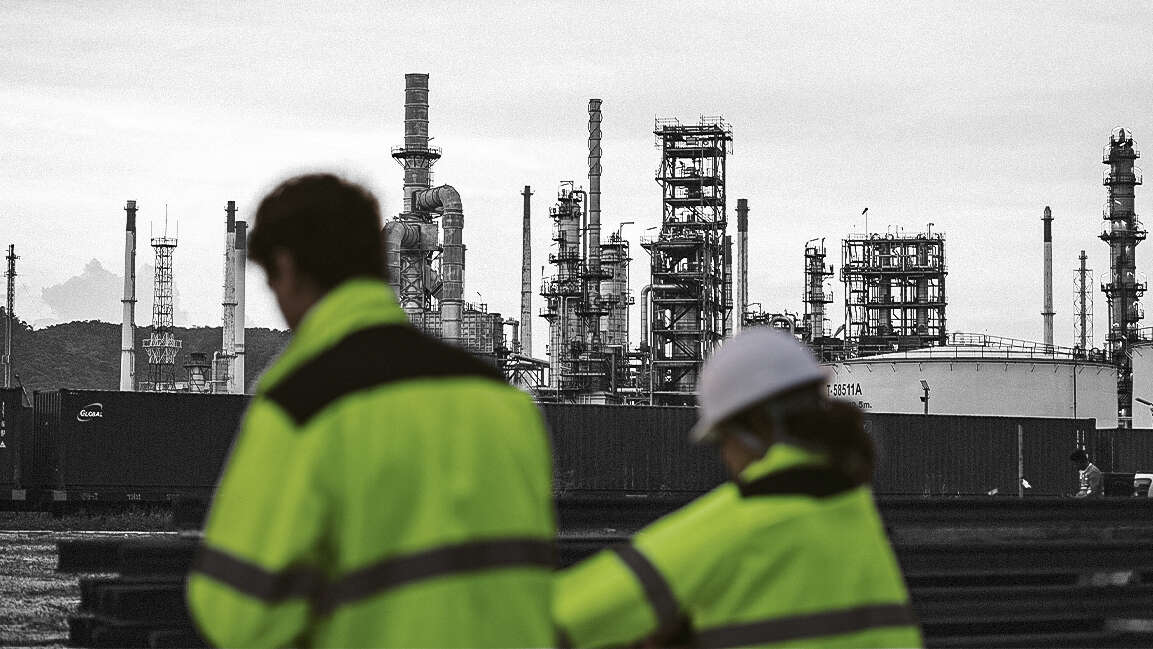


GCC countries continue to reinforce their standing as a key force in global energy markets, underpinned by abundant natural resources, robust infrastructure, and decades of expertise in managing the sector, according to new data released by the GCC Statistical Centre.
The data shows that the Gulf’s energy strategy is increasingly shifting beyond production and exports, with a growing focus on diversifying energy sources, improving production efficiency, and expanding renewable energy projects.
According to the Centre’s latest analysis of the sector, the value added of the Gulf oil sector reached approximately $561.2 billion in 2024 at current market prices, contributing 24% to the region’s GDP. At constant prices, the sector’s value added stood at $541.9 billion, accounting for 29.3% of GDP.
Despite its strong economic contribution, crude oil production in GCC countries declined by 5.4% in 2024, falling to 16.1 million barrels per day from 17.0 million barrels per day the previous year. Crude oil exports also dropped by 7.2% to 11.5 million barrels per day, compared with 12.3 million barrels per day in 2023.
The findings are part of the Centre’s publication, Energy Statistics, which provides a comprehensive overview of performance across the oil, gas, and renewable energy sectors in the region.
Natural gas production remained relatively stable, with marketed gas output recording a slight 0.4% decline to 442 billion cubic meters in 2024, compared with 443.8 billion cubic meters in the previous year. Meanwhile, reserve levels continued to grow, with crude oil reserves posting an average annual growth rate of 30.7% between 2020 and 2024, while natural gas reserves increased by an average of 1% annually.
In total, GCC countries held 511.9 billion barrels of crude oil reserves and 44.3 trillion cubic meters of natural gas reserves in 2024.
Globally, the region maintained a significant share of energy markets, contributing 21.8% of worldwide crude oil production and 26.6% of global crude exports. GCC countries also accounted for 10% of global marketed natural gas production and 13.5% of exports.
The report further indicates that the region holds 32.7% of the world’s oil reserves and 21.2% of global natural gas reserves, underscoring its continued strategic importance to global energy supply.
At the same time, renewable energy capacity across GCC countries reached 14.2 gigawatts in 2024, representing 0.3% of global capacity. Regional electricity interconnection projects also generated economic savings of $540.5 million, with electricity exchange between member states reaching 1,795.9 gigawatt-hours.

Featured Videos
Today's Top Stories:
More Top Stories:



FROM OUR PARTNERS