
- | 9:00 am
Plug-in solar is coming. Here’s how much you could save on electric bills
A new calculator from the nonprofit Bright Saver estimates potential savings from plug-in solar panels.
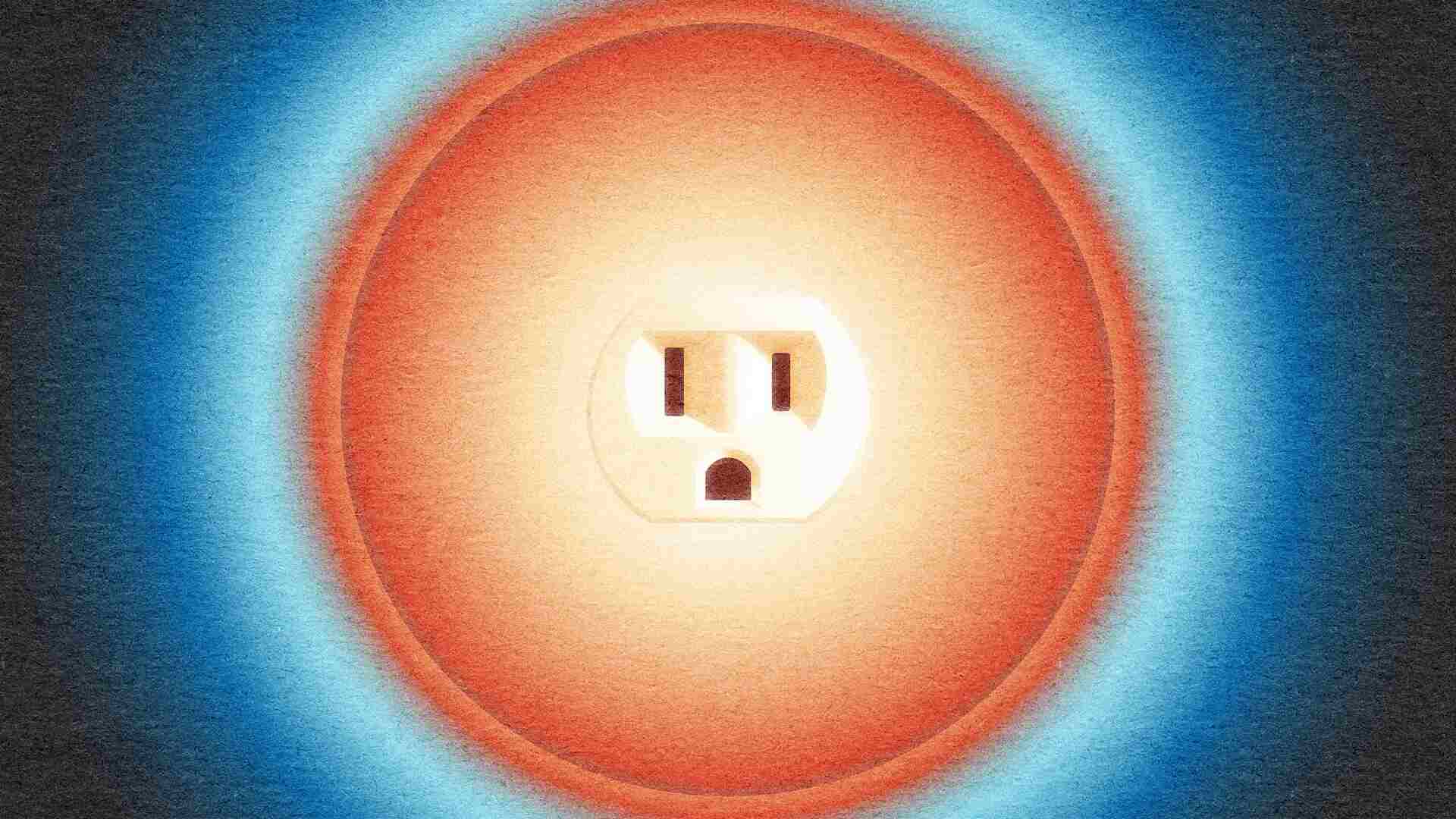


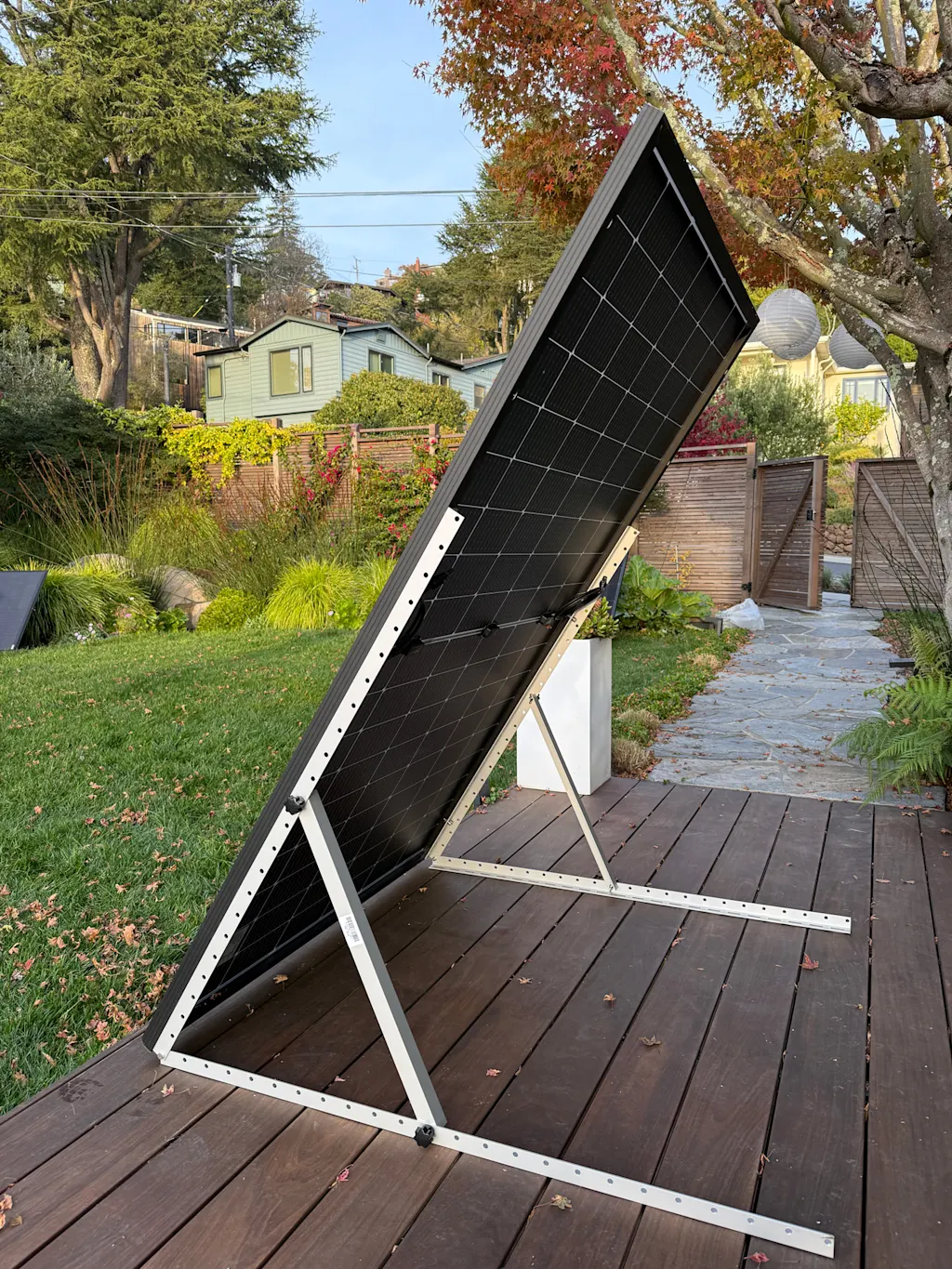
Plug-in solar is on the way, and it could cut your electric bills. A growing number of states are poised to pass bills supporting the panels, which are designed for DIY installation: Hang one out a window or set it on a deck, plug it into a regular outlet, and power starts flowing back into your home.
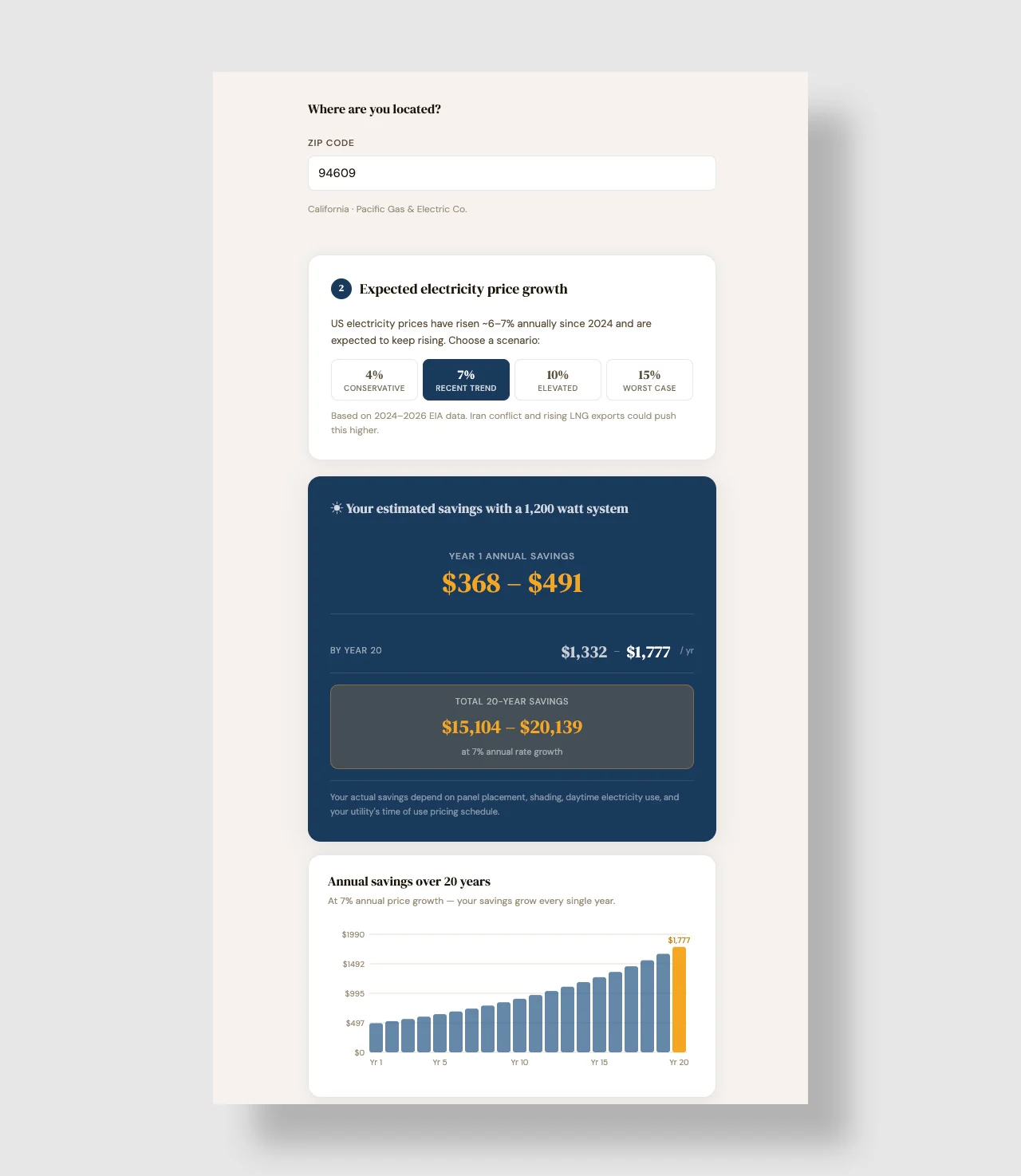
A new calculator helps you estimate how much you can save on power bills, using your zip code to estimate how much sunshine you get and how much you’re paying for electricity now.
The tech could be especially useful in cities like New York, where renters have steep electric bills and don’t have roofs to install traditional solar panel systems.
“A huge percent of this country is composed of renters,” says Cora Stryker, cofounder of Bright Saver, a nonprofit that advocates for the technology and just released the calculator. “What are you supposed to do? I mean, it’s really a powerless feeling—pun intended—to see your energy bills just spike and not be able to do anything about it.”
Homeowners who don’t want to invest in a full rooftop system can also use plug-in panels. Designed for self-installation, they avoid the costs of permitting, inspections, hiring an electrician, and the marketing expenses of solar companies, which together make up nearly half the price of traditional systems.
“The reason this is a game changer is we’re taking all those extra costs out, and we’re delivering the dirt-cheap cost of the technology to consumers so they can install it themselves,” Stryker says. “It’s pushing us toward a tipping point. For years now, clean energy has been cheaper to produce than fossil fuel alternatives. However, for the consumer that is not true. This is the beginning of that.”
Plug-in solar panels, also known as balcony solar, became widespread in Germany when electricity bills surged because of Russia’s war in Ukraine; their use continues to grow throughout Europe. (In Germany, they’re so common that you can buy them at Ikea.) In the U.S., regulatory hurdles are beginning to fall. Right now, though the panels aren’t illegal, they require a complicated process of approval from utilities. But states are beginning to change that.
Utah was the first to pass a law supporting the tech last year, exempting consumers from the need to get approval from utilities. Maine followed this month. Bills also passed in Colorado, Maryland, and Virginia and are awaiting signatures from governors. More than 20 other states are now considering bills, from both Republican and Democratic lawmakers.
Some utilities have argued that the devices pose safety risks, but advocates say that years of use in Germany have proven that they’re safe. UL Solutions, the standards organization, is currently working on certifying devices to a new safety standard that was created at the beginning of the year, though Stryker says devices on the market in Utah meet existing standards.
The panels come in different sizes, ranging from around 400 watts to 1.2 kilowatts, and cost between $400 and $2,000. A small panel could cover the power used by a full-size fridge. An 800-watt system could cover that along with a TV, lights, and other small equipment like routers.
“It’s most meaningful for your background electricity demand, meaning what is running all the time,” Stryker says.
It’s not like a whole rooftop system, which could power your entire house. But it can still make a noticeable difference on your electricity bills. In New York City, for example, someone using a 1,200-watt panel on an apartment balcony could potentially save $339 in a year. (It’s worth noting that the calculator doesn’t attempt to include whether the panel is facing south or how much other buildings might be shading it.) In Oakland, California, someone with the same panel could potentially save $491 because of the sunnier weather.
The devices could help people who are struggling the most to afford electric bills, especially low-income renters. “Because electricity varies so much in cost, it really becomes an equity issue,” Stryker says. “The people living in the densest parts of the United States have the highest electricity [rates] almost universally.”