
- | 11:00 am
Oman to add 190 EV charging points by 2027 as government fleets prepare to go electric
The sultanate is expanding charging infrastructure, green ports, and low-emission logistics to support its net-zero goals.
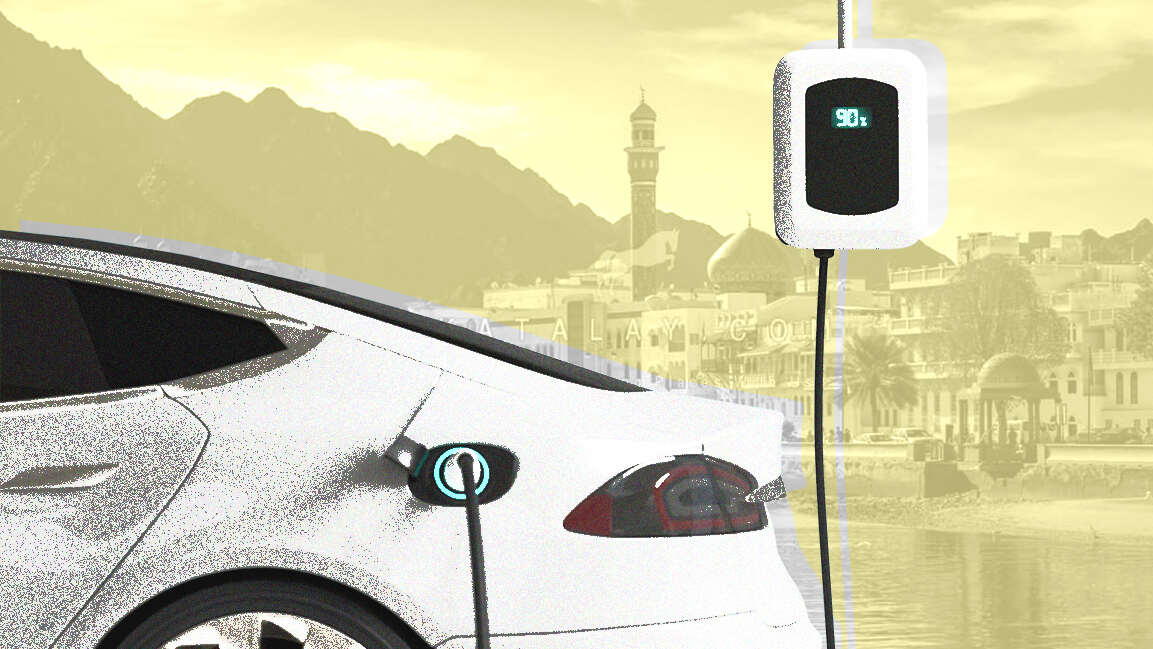


Oman is accelerating its shift toward cleaner transport, with registered electric vehicles (EVs) surpassing 5,900 in the first half of 2026, as the country advances a series of initiatives to reduce emissions and support its long-term net-zero ambitions.
From expanding EV charging infrastructure and piloting electric bike delivery services to developing green ports and establishing a large-scale ship recycling facility, the Ministry of Transport, Communications and Information Technology (MTCIT) is intensifying efforts to decarbonise the transport and logistics sector.
In an interview, Abdullah bin Ali Al Busaidi, Director General of the Oman Logistics Center and a member of the national net-zero team, said transport is becoming a critical pillar of Oman’s climate strategy.
“The ministry is working on multiple fronts, including expanding EV adoption, developing charging infrastructure, promoting low-emission transport and improving logistics efficiency through smart technologies,” he said.
The initiatives align with Oman’s National Net Zero Strategy, which targets a 3% reduction in carbon emissions by 2030, a 34% reduction by 2040, and net-zero emissions by 2050.
One of the country’s most significant sustainability projects is a planned green ship recycling facility at Khatmat Malaha in North Batinah. Designed to meet international environmental standards, the facility is expected to recycle up to 70 ships annually and produce nearly 2 million tonnes of low-carbon steel.
The project is also expected to generate around 2,000 direct and indirect jobs while strengthening industries linked to steel production, marine services and logistics. According to Al Busaidi, the facility will support circular economy goals and reduce the environmental impact associated with traditional ship dismantling practices.
Oman is also focusing on greening its maritime infrastructure. The MTCIT is working to electrify port equipment, assess shore power systems that allow docked vessels to use onshore electricity instead of running onboard engines, and integrate renewable energy into port operations.
In urban mobility, a pilot programme using electric bikes for delivery services has delivered encouraging results. Authorities say the initiative has reduced fuel consumption and emissions while improving efficiency in congested urban areas.
Following the success of the pilot, officials are evaluating expanding the use of electric bikes for express delivery services and broader city logistics operations.
To support growing EV adoption, Oman is also planning specialised maintenance centres and spare parts facilities. The related tender is currently under technical and financial evaluation.
At the same time, the country’s public charging network continues to expand. Oman now has more than 160 charging points nationwide, with plans to increase this to 350 by 2027. New charging stations are expected to be installed along highways, in commercial centres, tourist destinations and on roads connecting governorates.
Officials attribute the growth in EV ownership to improved charging infrastructure, greater public awareness of electric mobility and the increasing availability of electric vehicle models in the local market.
Government entities are also preparing to gradually transition official vehicle fleets to electric power, beginning with vehicles used for routine urban operations.
“The transition of government fleets to EVs is an important step in reducing emissions and advancing Oman’s green development goals,” Al Busaidi said.

Featured Videos
Today's Top Stories:
More Top Stories:





FROM OUR PARTNERS