
- | 9:00 am
AI is retail’s ultimate advantage — and its biggest risk. Here’s why
Industry leaders say AI’s real value is making things easier while keeping trust intact, balancing personalization with privacy, and knowing when to let humans step in.
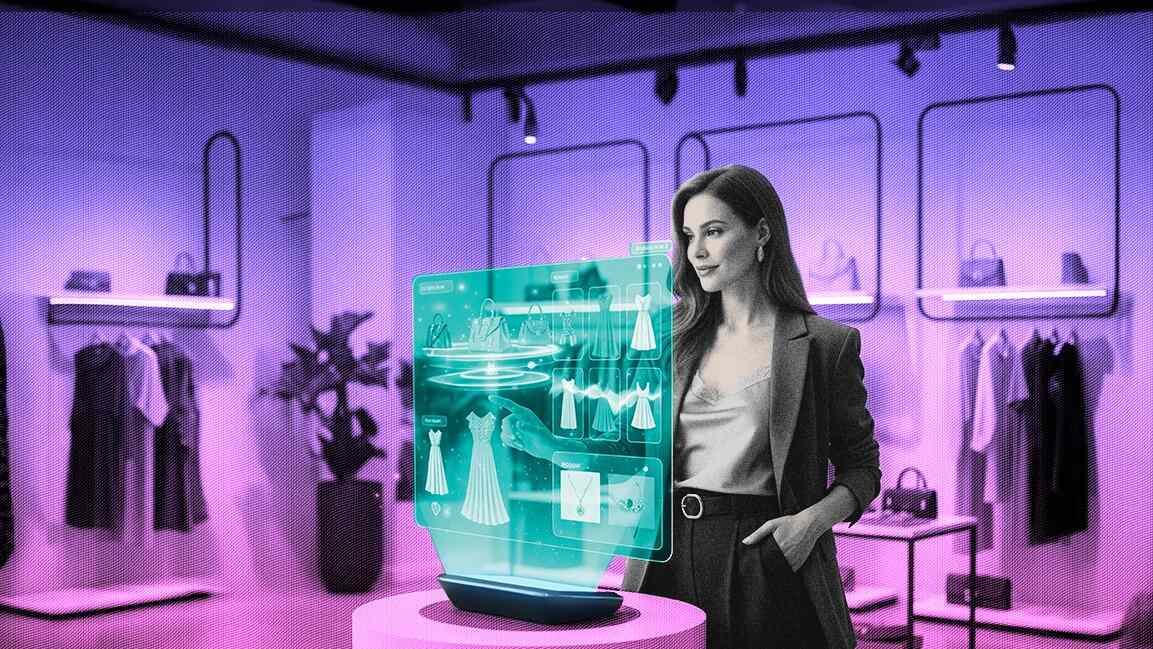


AI isn’t just an add-on anymore. It’s the engine running retail today. From search and checkout to pricing, forecasting, and fraud detection, AI powers almost every key part of modern shopping. Most shoppers don’t notice AI itself—they notice speed, relevance, and ease. And when those fail, they get frustrated.
The future of retail won’t go to the fastest AI adopters. It will go to those who use it most thoughtfully.
ADDRESSING THE CX QUESTION
“In truth, most customers don’t walk into a shop thinking, ‘Ah yes, AI at work,’” says Jeremy Eaton, Head of Technology Advisory & Architecture at Endava. “They notice relevance, speed, and ease. And critically, they really notice when something feels off.”
This difference matters a lot. AI works best when it stays invisible—automating stock checks, improving recommendations, and speeding up service without drawing attention.
Cosmin Ivan, CEO of Platinumlist, sees the same pattern in live events and ticketing. “It depends on whether the AI makes itself felt,” he says. “When it works invisibly [surfacing the right recommendation, streamlining checkout, preventing fraud], people rarely notice or care.”
But the moment AI becomes visible, scrutiny begins. “Research shows 64 percent of consumers want personalization, but only 39 percent think the privacy trade-off is worth it,” he says. “That’s why framing matters.”
Ivan points to year-in-review “wrap” features as examples of AI presented as a celebration rather than surveillance. “Wrap features are a personalized year-in-review, and it feels like a celebration of the user’s history, not profiling. In this way, by framing AI outputs as a celebratory recap, the feature builds connection rather than suspicion.”
“AI that enhances without overwhelming, that feels like a helpful assistant, strengthens customer relationships. AI that feels extractive kills it,” Ivan adds.
LOYALTY BUILT ON TRUST, NOT TECHNOLOGY
For Maqsood Mohommad, Founder and Chairman of AFM Holding Group, AI’s value is in supporting consistency, not replacing human connection.
“Most customers do not consciously identify AI at work, but they certainly notice the outcome,” he says. “They see faster checkouts, more relevant product suggestions, accurate stock availability, and seamless service across channels.”
When those systems run smoothly, loyalty grows. “Customers return to brands that make their lives easier,” Mohommad says. “However, loyalty is not driven by technology alone. It is driven by trust, consistency, and value. AI is simply an enabler that helps brands deliver on those expectations more effectively.”
Eaton points out that the stakes are higher with top customers. “The top 3 percent often drive a disproportionate share of revenue, and they’re typically less tolerant of missteps,” he says. AI can help retailers identify these customers, anticipate their preferences, and even predict who may become high-value in the future.
But how AI is used makes all the difference. “Used well, AI can strengthen loyalty,” Eaton says. “But it can also erode trust, if not.”
THE PERSONALIZATION PARADOX
Consumers say they want personalization, but they also worry about how their data is handled.
“Shoppers appreciate personalization when it feels useful and contextual,” Mohommad explains. “They draw the line when it becomes intrusive or when it appears that too much personal information is being tracked without transparency.”
The solution isn’t less AI. It’s clearer communication. “Customers want to understand how their data is used and what benefit they receive in return,” he says. “Retailers must ensure that personalization enhances the shopping journey without compromising privacy.”
Pricing is where this tension shows up most. AI-driven dynamic pricing can boost revenue and profits, but it can also raise suspicion if customers see prices changing too much.
“Trust is more fragile than margin,” Eaton warns. “If a customer sees a price change multiple times in a day, trust can evaporate.”
Retailers who get it right avoid hidden, unfair price changes for individual customers. Instead, they use loyalty programs and clear rules—like limiting daily price changes or protecting key items.
“Customers don’t demand static pricing,” Eaton says. “They demand fairness.”
The future of retail isn’t about AI versus humans. It’s about how they work together.
“Consumers want AI for speed and simplicity, humans for complexity and empathy,” Ivan says.
He points out that 62 percent of consumers now prefer digital assistants instead of waiting for a person, and 74 percent like chatbots for simple questions like, “What time do doors open?” or “Where’s my ticket?”
At Platinumlist, AI handles roughly 85 percent of high-volume, routine inquiries. “That frees our human agents to focus on the 15 percent that actually needs empathy and judgment,” Ivan says. “It’s not AI or humans. It’s knowing when to hand off.”
Eaton agrees automation works well for routine tasks. AI-powered checkout can cut wait times by 30 percent and speed up transactions by 40 percent. But people lose patience with automation when things get complicated.
“A failed payment, a confusing return, a high-value purchase—here a chatbot loop could rapidly erode years of hard-gained loyalty,” he says. “Handoffs between AI and human support need to be seamless.”
Mohommad adds, “Retail is both transactional and experiential. AI supports the transactional side, while human engagement strengthens relationships and brand connection.”
WHAT HAPPENS IF ALGORITHMS GO DARK?
If AI disappeared from retail tomorrow, the effects would be felt right away, even if shoppers couldn’t explain why. Personalized recommendations would become bland. Search would feel clumsy. Self-service would slow down. Friction would return.
Behind the scenes, forecasting and restocking would struggle. Shelves would empty faster. Overstock would increase. Delivery times would get longer.
“Yes, they would feel the difference,” Mohommad says. “They would notice slower processes, less accurate recommendations, more out-of-stock items, and less seamless omnichannel integration.”
Eaton is even more direct: “AI in retail isn’t a shiny add-on. It’s infrastructure that’s now deeply embedded in core systems. Customers may not always see it, but they would absolutely feel its absence.”
The next chapter of retail won’t go to brands with the flashiest AI announcements. It will go to those who make AI feel easy, fair, and mindful of people.