
- | 9:00 am
Cities are key to climate solutions. Are Middle Eastern cities stepping up?
Smart choices by cities in planning and investment could hold the key to cutting emissions



Taking the metro is more than just a way to get around the city. Imagine living in an apartment with public transit right at your doorstep. That’s a big plus.
Building affordable homes near transit doesn’t just ensure a steady stream of riders—it also helps lower greenhouse gas emissions by putting fewer cars on the road. Transit-oriented development is a climate action, and developers in cities like Dubai and Riyadh could do more to connect new housing projects to nearby transit options.
Climate change is the 21st-century urban nightmare: supercharging wild swings between extreme heat and floods in cities like Dubai, Jeddah, Tehran, and Damascus—knocking out power supply, impacting access to food and water, and displacing communities.
ENGINES OF CLIMATE CHANGE
Cities sit at the heart of economic activity, shaping growth, resource use, and are highly exposed to climate risks like water scarcity, floods, and extreme heat.
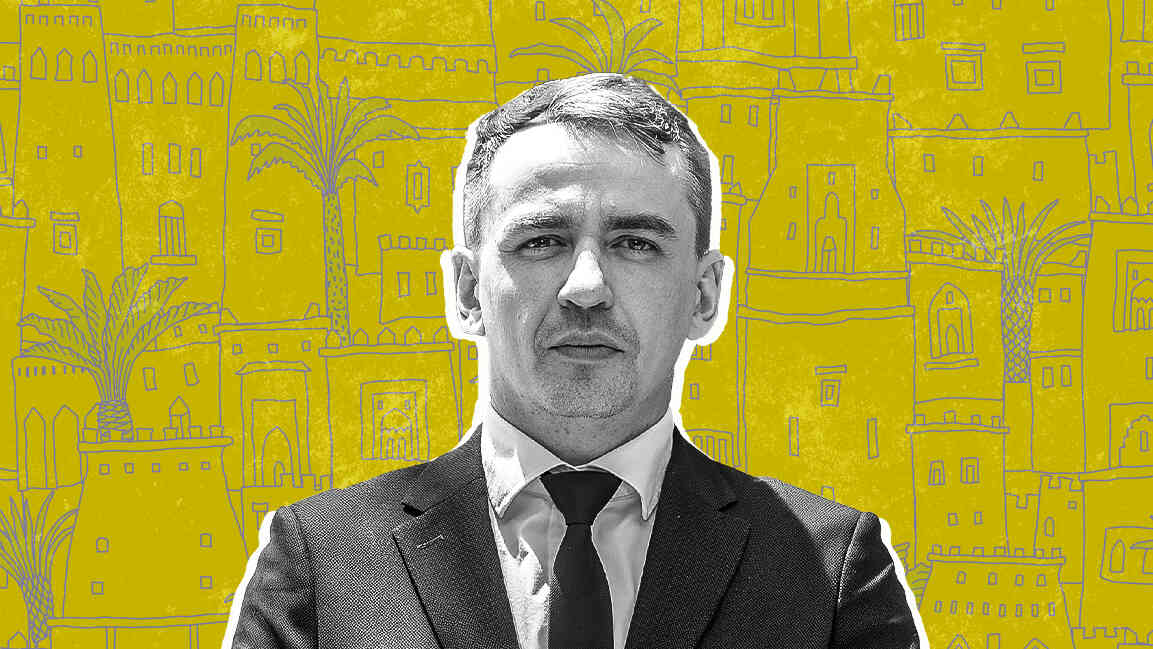
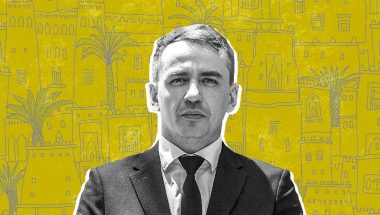
Cities became engines of climate change when built around cars, concrete, and endless growth, says Baharash Bagherian, founder and CEO of Dubai-based studio URB. “Climate breakdown is the physical outcome of decades of urban choices that ignored ecological limits and long-term responsibility.”
According to reports, cities play an outsized role in climate change, accounting for around 75 percent of global energy consumption and producing more than 50 percent of greenhouse gas emissions.
“There’s a stark disparity between the physical footprint of cities and their environmental impact,” says Ziad Moukarzel, Partner and Head of Climate and Sustainability for India, the Middle East, and Africa at Oliver Wyman. “While urban areas occupy less than 3 percent of the Earth’s land surface, they are responsible for approximately 75 percent of global primary energy consumption.”
According to UN-Habitat, Moukarzel adds, cities generate between 50- 60 percent of the world’s greenhouse gas emissions. “This concentration of consumption makes the cities primary ‘ground zero’ for climate change.”
Precisely because of this, those same cities in harm’s way could help drive solutions to climate change, as Moukarzel says urban-focused interventions “offer the highest return on investment” for decarbonization.
Cities are the fastest lever we have to tackle climate change, adds Bagherian. “Change a city, and emissions shift almost immediately. Change a building code, and millions of tonnes of carbon disappear. Redesign streets, and entire mobility systems transform. Decisions on land use and the integration of nature can remove vast amounts of carbon in a single move.”
The climate battle will be won or lost in our cities. And it’s not about sacrifice—reducing urban emissions opens powerful opportunities to improve prosperity and quality of life, says Brodie Boland, faculty affiliate at the Steers Center for Global Real Assets at Georgetown’s McDonough School of Business.
“As we’ve discovered, lower emissions vehicles are often faster, smoother, and quieter. Lower emissions buildings are often healthier places to live, more productive places to work, and more beautiful places to play. As we move to more optimal levels of density, we often find improvements in productivity and economic mobility. Lower emissions infrastructure is also often more resilient infrastructure, and more resilient infrastructure can enable more green spaces and a greater sense of community,” adds Boland.
Aging infrastructure and growing populations strain urban resources—but it can’t be emphasized enough that smart redesign can turn cities into leaders in climate progress.
“By integrating nature-based solutions into the very fabric of master planning, we can address mitigation and adaptation simultaneously,” says Moukarzel. “The scale of change possible is immense: transitioning to high-density, transit-oriented developments—coupled with smart building policies and decentralized renewable energy—can radically lower a city’s carbon trajectory.”
Global assessments show that urban action could deliver up to around 40 percent of the emissions reduction, particularly through energy-efficient buildings, low-carbon transport, and clean power, says Hammad Nawaz, Director at Strategy& Middle East, part of the PwC Network.
The advantage cities have is speed, adds Nawaz. “Many measures can be implemented within years rather than decades, making urban policy one of the fastest levers available for climate mitigation.”
SHARING ECONOMY
Experts say the sharing economy—sharing resources such as homes, transportation, and durable goods—is also a critical lever for climate action.
“By maximizing asset utilization, whether in mobility, housing, or consumer goods, we can achieve a dramatic reduction in the material and energy required to maintain modern lifestyles,” says Moukarzel.
“This transition to a more ‘circular’ urban economy reduces waste and lowers the embodied carbon of products,” he adds.
Participation in the sharing economy can lead to changes in consumer behavior, including mobility and vehicle ownership patterns, which could, in turn, yield positive environmental benefits.
“Shared mobility can reduce private car use and transport emissions significantly—in some studies by close to 20 percent— especially when paired with mass transit, cycling, or walking infrastructure,” says Nawaz.
That said, the sharing economy only delivers climate gains when it is built into the city—not bolted on as an app, Bagherian argues. “Cities built around access rather than ownership require fewer buildings, fewer vehicles, and fewer materials to function well. Shared mobility, energy, space, and tools dramatically reduce waste while improving quality of life.”
The real shift is cultural and spatial: change ownership, and consumption follows; change consumption, and emissions drop.
INITIATIVES IN MAJOR CITIES
Experts call the next few years a decisive moment for cities, as growing climate focus is taking hold across the region.
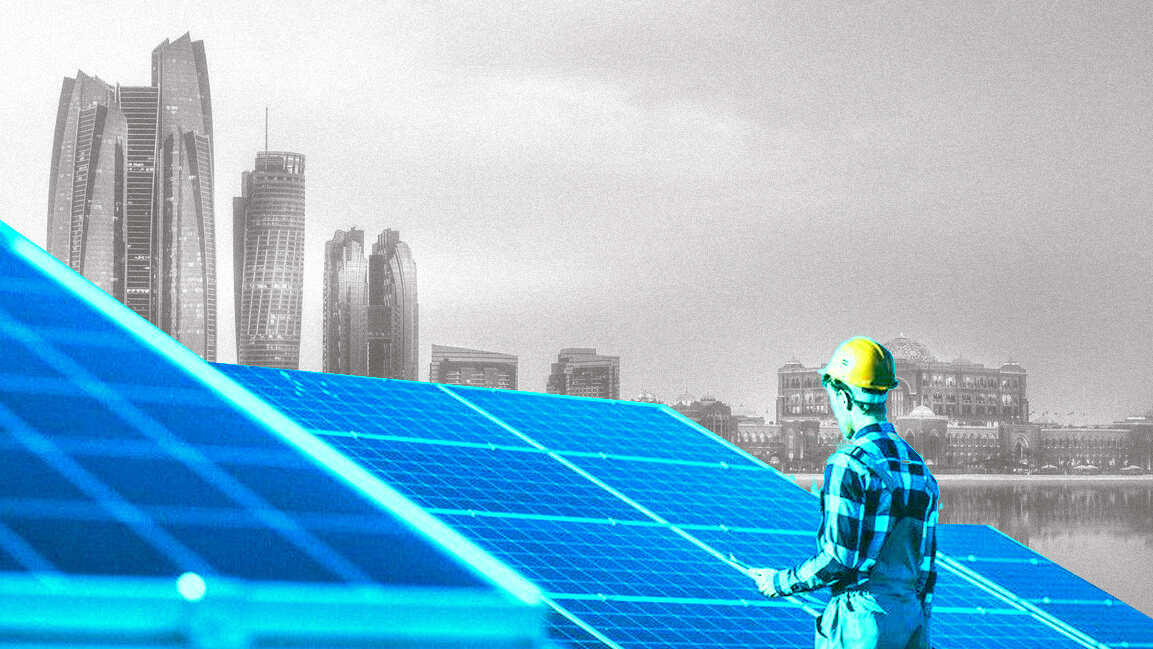
“Many cities across the region are taking bold steps to reduce climate impact, from wind-powered cooling infrastructure in Masdar, major solar investments in Dubai, urban greening in Riyadh, to more efficient buildings by top real estate players,” says Boland.
Dubai has committed to sourcing 75 percent of its energy from clean sources by 2050, while advancing large-scale waste diversion, green building standards, district cooling, and urban greening to cut emissions, reduce heat, and improve air quality.
Abu Dhabi is embedding climate action directly into development through its Climate Change Strategy, targeting a 22 percent reduction in emissions by 2027 alongside gains in water efficiency, low-carbon buildings, and climate-resilient infrastructure.
Riyadh has pledged to cut emissions by up to 50 percent, expand public transport through the Riyadh Metro, and deliver one of the world’s largest urban greening programs.
Flagship programs like the Saudi Green Initiatives and Green Riyadh are not merely aesthetic projects, says Moukarzel. “They are strategic investments that mitigate the ‘urban heat island’ effect, improve mental and physical health, and boost property values.”
Beyond parks and trees, cities are turning to smart infrastructure: optimized public transport, large-scale waste-to-energy, and utility-scale renewables embedded in the urban grid.
While cities across the Middle East are testing ideas at scale, and investing in nature restoration, climate-adaptive urban form, renewable energy, and car-free mobility, Bagherian says the real opportunity lies not in isolated projects, “but in stitching these moves into coherent city systems where ecology, mobility, and daily life reinforce each other rather than compete.”