- | 9:00 am
H.E. Huda Alkhamis-Kanoo on why imagination is the new superpower
Abu Dhabi is investing in culture as the essential infrastructure to translate artistic imagination into economic growth and global influence
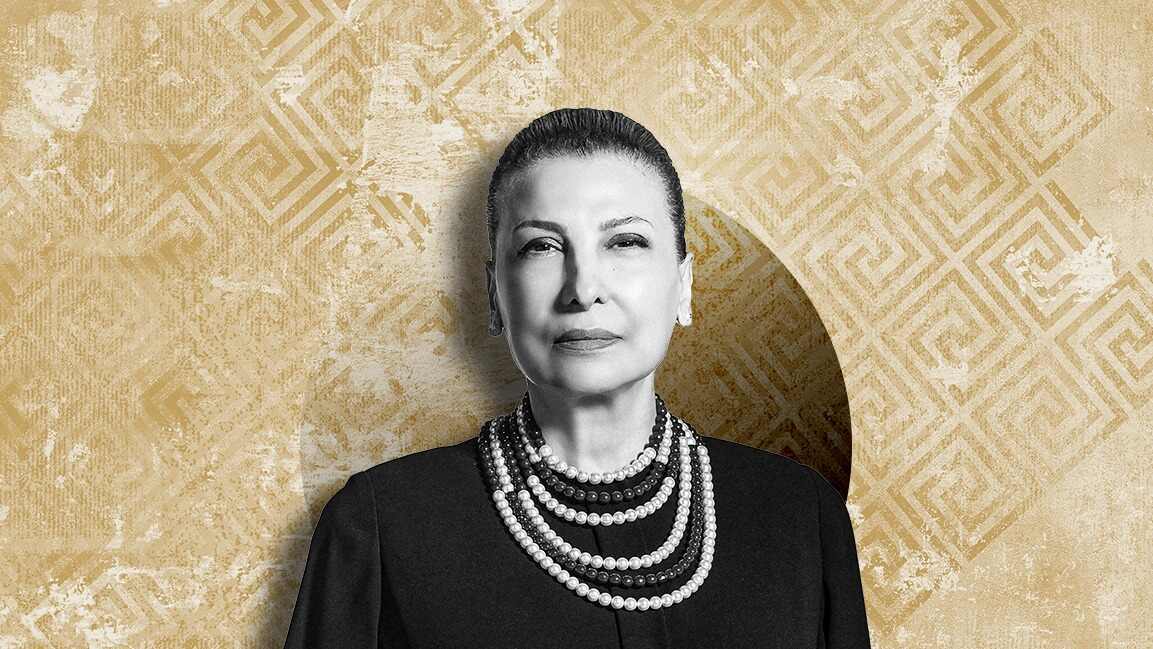


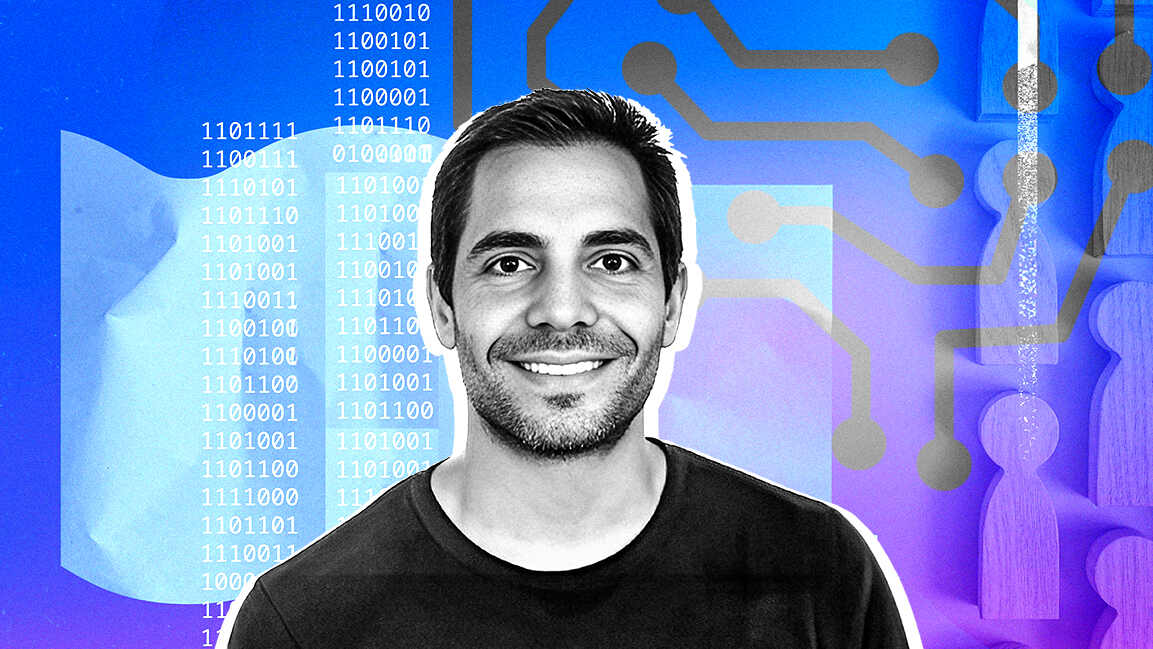
H.E. Huda Alkhamis-Kanoo has spent decades shaping how Abu Dhabi thinks about culture. As the Founder of Abu Dhabi Music & Arts Foundation (ADMAF) and Founder & Artistic Director of Abu Dhabi Festival, she has helped build two of the UAE’s most enduring cultural platforms. Both organisations focus on long-term development, supporting arts education, strengthening training pathways, and forming partnerships that connect local talent with regional and international stages.
Her recent focus is on imagination as an economic tool, not abstractly, but in the practical ways it shapes planning, data interpretation, and the emergence of new industries. In a region focused on diversification and creative economies, her view raises a simple question about the role of culture going forward: how do you build systems that make room for imagination in everyday decision-making?
IMAGINATION DRIVES ECONOMY
Alkhamis-Kanoo defines imagination as “the mastermind of the economy” in a deeply grounded and functional manner. She asserts that culture, data, and technology should be viewed as integral components of the same system, with each element actively shaping the operation and trajectory of the others. “Data gives us answers, but culture inspires us to ask the right questions,” she says, emphasizing that the process of analysis fundamentally requires interpretation and a clear sense of intent. For her, imagination functions as the essential force that transforms raw information into a coherent sense of direction.
“Give facts to a storyteller, and they will weave ten different narratives from those same facts. In business terms, that is how we maximise the value of data.” In her view, the United Arab Emirates has already demonstrated recognition of this crucial interplay by strategically positioning culture as an active partner that ensures technology remains rigorously aligned with overarching social purpose.
This foundational understanding also critically informs Alkhamis-Kanoo’s approach to diplomacy. She frequently characterizes artists as ambassadors whose body of work communicates national identity far more intuitively than official policy. “The essence of art is to convey who we are and how we see the world,” she says, establishing the basis for her perception of cultural exchange as a form of diplomacy rooted in empathy and shared human experience.
This core belief decisively shapes ADMAF’s operational approach. The foundation focuses intently on creating settings where Emirati and global audiences can meet and connect through curated performances, exhibitions, and collaborative cultural projects. “If we help art do what it does best, speak to our minds and hearts, we can strengthen the arts while also helping the world become a better place,” she says.
The practical side of this work lies in ADMAF’s partnerships, co-productions, co-commissions, and the Abu Dhabi Festival Abroad, all of which provide Emirati and Arab artists with access to international stages. She sees the foundation as a conduit that enables talent to move outward with confidence. She believes this form of diplomacy allows Abu Dhabi to present itself globally not only through strategy and technology but also through human connection.
ART: INVESTMENT, NOT COST
The concept that credibility itself constitutes the genuine engine of a creative economy is one Alkhamis-Kanoo frequently returns to. “Credibility translates into opportunity,” she says, maintaining that this principle applies equally to cultural work as it does to the sectors of business and finance. Abu Dhabi’s global reputation has demonstrably grown through steady and strategic collaboration with respected international institutions. When the Abu Dhabi Festival collaborates with esteemed partners, such as the Opéra National de Paris, or hosts world-class performers for concerts and masterclasses, it effectively signals both seriousness and a long-term commitment.
She adds a crucial point: this progress is not driven by mere quantity. Abu Dhabi’s cultural rise has been strategically built upon careful curation. The museums established on Saadiyat Island are designed to convey a deliberate narrative about heritage and openness, and the festival’s artistic direction is structured to create meaningful encounters rather than simply assembling a calendar of events. The consistent underlying intention is to perpetually renew a vital conversation between Abu Dhabi and the wider world.
That consistency in quality builds essential confidence among artists, producers, and audiences alike. It strategically positions Abu Dhabi as a place where culture is both generated and reliably supported, which, in turn, intrinsically strengthens the creative economy. As she notes, “Art was once seen as a cost or an option. Today it is seen as an investment, and essential.” She believes this profound shift will inevitably continue to attract top talent, deepen local cultural participation, and reinforce the city’s burgeoning cultural presence.
Regarding the parallel evolution of art and technology, Alkhamis-Kanoo describes art as a foundational force behind true innovation that is often overlooked. “You can’t have major technological advancements without a thriving artistic ecosystem,” she says. Her observation focuses on established patterns rather than historical chronology. Periods that witnessed significant advances in science invariably also nurtured parallel excellence in poetry, architecture, and design, because both sides of that equation rely fundamentally on shared intellectual curiosity and interpretation.
She observes that this productive exchange continues to this day. Filmmakers, designers, and musicians have a significant influence on the aesthetic and functional experience of digital tools. She points to numerous instances where cinematic imagination has often anticipated mass consumer technology. For her, this continuous interplay holds significant weight because it definitively proves that creativity is not decorative but foundational to the very mechanism by which new ideas are conceived and formed.
ARTISTIC THINKING FOR LEADERS
Daniel Pink’s proposition that “the new MBA is the MFA” is viewed by Alkhamis-Kanoo as a direct reflection of a deeper societal shift already well underway. For her, the age of Artificial Intelligence fundamentally alters what leadership actually requires. “When all the knowledge in the world lies at our fingertips, true talent is the ability to make sense of it,” she says.
While AI can rapidly produce sophisticated business plans in minutes, it completely lacks the capacity to decide what truly matters. That essential judgment is drawn from critical thinking, taste, and a willingness to reimagine the familiar in a profoundly new way. “What sets apart one hundred entrepreneurs presenting one hundred AI-generated decks is creativity and the audacity to challenge convention,” she adds.
She describes AI as a remarkable tool, arguably the most transformative since the early inventions that reshaped human progress. Yet, it remains a tool that is ultimately dependent on human intent. This is precisely where she believes artistic thinking offers critical assistance to future leaders. The point is not to transform entrepreneurs and policymakers into practicing artists, but to instruct them on how to think like artists.
To challenge assumptions, visualize possibilities, and connect patterns that others overlook. “These abilities are not drawn from data sets but from the imagination,” she says. In her considered view, AI will not diminish creativity but will instead trigger a new period definitively shaped by it.
Regarding the future of education, Alkhamis-Kanoo argues that any system prepared for the years ahead must treat culture as a core learning engine rather than an optional extra. She points to research demonstrating that consistent arts participation significantly improves student motivation, attendance, and collaboration. “The studies and science speak for themselves,” she says, noting specific work by the OECD and the Harvard Project Zero that establishes a clear link between engagement with the arts and stronger capabilities in problem-solving and persistence.
The true challenge, she explains, is one of scale. While ADMAF has dedicated three decades to successfully integrating art into classrooms, she believes there remains a significant opportunity to build programs that utilize cultural learning to equip students with the skills most needed for the future economy. Her ultimate goal is to see arts education positioned as an indispensable tool that strengthens every other academic subject and fully prepares young people for a world shaped as much by creativity as by technology.
IDENTITY AND DIGITAL AGE
Alkhamis-Kanoo traces the origins of the ADMAF to both personal experience and the unique identity of the city itself. Her formative years in the Arab world, followed by study in Paris, created a profound conviction that culture extends far beyond mere aesthetic beauty.
“Abu Dhabi and Sheikh Zayed’s call to nurture cultural expression resonated deeply with me,” she says. She founded the organization as a civil society response to that vision, establishing a platform designed to nurture creativity, robustly support education, and connect diverse communities across generations. The foundation’s subsequent growth has been shaped by direct, continuous engagement with artists, educators, and audiences.
Initial small-scale educational programs, performances, and philanthropic projects were crucial in teaching her what truly makes a lasting impact and laid the groundwork for ADMAF’s enduring presence.
She views Sheikh Zayed’s cultural ethos as a guiding principle for the contemporary digital generation. “A grounded sense of identity gives firm footing to those of us whose lives are increasingly digital,” Alkhamis-Kanoo says. The crucial balance he successfully struck between tradition and modernity remains highly relevant today, offering young people a reliable compass for navigating differences in an era where online platforms frequently intensify societal divisions.
CULTURE: COMPLEMENTING DIPLOMACY
Culture is seen by Alkhamis-Kanoo as a cornerstone of the UAE’s global identity. “Culture doesn’t compete with diplomacy; it complements it and extends influence beyond embassies and conferences, into the heart of societies,” she says.
She cautions against equating nation branding with true substance, noting that marketing efforts alone can never replace meaningful engagement. For her, the UAE’s enduring strength lies in combining formal diplomacy with its vibrant cultural output. Initiatives such as bringing Emirati art to Seoul or hosting South Korean exhibitions in Abu Dhabi create encounters that transcend purely intellectual exchange.
“It allows the UAE to speak soul-to-soul and heart-to-heart with other nations,” she says. This fundamental approach transforms art into a potent form of soft power rooted in genuine connection rather than coercion.
She also strongly emphasizes the essential human dimension inherent in cultural exchange. In times characterized by global division, art successfully creates necessary spaces where dialogue can thrive, free from the strictures of conflict.
“Art reclaims what division tends to erase: empathy,” she says. Shared experiences, whether gathered in a concert hall or seated in a cinema, serve to remind people that the perceived “Other” is, in fact, not so foreign. In her view, these sustained moments of common ground are precisely what the world requires to navigate periods of uncertainty and tension successfully.
THE TWO INTELLIGENCES
Alkhamis-Kanoo frames the work of the ADMAF in highly pragmatic terms: the foundation functions to convert creative potential into demonstrable, tangible capacity.
“All ADMAF programmes are designed to converge” on broader economic aims, she says, commencing with educational initiatives that build the very skills demanded by creative industries: critical thinking, empathy, resilience, and teamwork.
These programs, she notes, provide a service that extends beyond the arts sector. They feed other priority areas, including technology and AI research, by producing individuals who can think across disciplines rather than remain confined within narrow professional silos. Awards, scholarships, and commissions represent the next critical step. By professionalizing artistic practice and offering artists significant visibility, these measures substantially expand the talent pool in both quantity and quality, facilitating the creation of sustainable careers.
For Alkhamis-Kanoo, audience development holds equally central importance. The Abu Dhabi Festival and its Abroad programme actively widen markets by placing artists before new audiences and by bringing prominent international work directly to Abu Dhabi. “To reach five per cent, ADMAF and all sectors must keep investing in people, people and people,” she says.
The unwavering emphasis is on constructing systems that establish predictable pathways for artists, from the classroom environment to the professional stage, ensuring that cultural activity can ultimately scale without compromising the craft.
That systemic view connects directly to a broader argument she advances regarding national strategy. The UAE requires what she terms a “culture of culture,” meaning that the inherent value of cultural work must be recognized across all strata of government, business, and society. “Culture must be viewed as infrastructure,” she says, precisely because it connects people, expands intellectual horizons, and provides essential support for high-value sectors. Marketing efforts alone are insufficient; the substantive work resides in programming, training, and ensuring public access.
ADMAF’s defined role, in this reading, is to translate governmental policy intent into functional programs that enable culture to operate at scale, and to consistently help make the case that culture supports fundamental economic goals as much as civic ones.
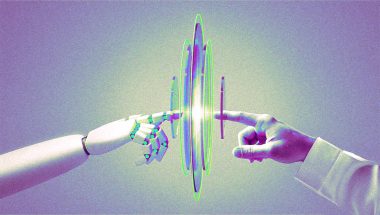
The Abu Dhabi Festival’s future is described by Alkhamis-Kanoo as emphasizing gradual growth rather than spectacle. The Festival serves as a platform for exchange, a place where projects, ideas, and collaborations can be effectively tested and disseminated. She highlights the Festival’s educational arm, the Festival Abroad initiative, and the crucial dialogue between what she terms “the two AIs,” Artificial Intelligence and Artistic Intelligence.
Those threads together point to a modest yet profound ambition: to deepen the city’s cultural infrastructure while enabling artists to confidently move onto international stages. Taken collectively, these strands explain why ADMAF places program design, comprehensive training, and global partnerships at the very center of its strategy today.