
- | 9:00 am
How entrepreneurs are staying resilient as the conflict drags on
Founders are focusing on maintaining steady cash flow and extending the runway



Three weeks into the US-Israel war against Iran, the Gulf region is already feeling the impact, especially causing problems for entrepreneurs. Along with energy instability, the conflict is disrupting global supply chains and making investors more cautious.
Although recent events may have taken founders by surprise, many say they are choosing to carry on and adapt to the new reality on the ground.
Natasha Hatherall-Shaw, founder of TishTash Group, a portfolio of communications companies in the UAE and across the region, likens the current situation to the Covid-19 pandemic. “I’m taking all my learnings and all the things I doubled down on in COVID, like focusing on my team, focusing on my clients, and just being agile,” she says. “One of the things I learned as well was making decisions quickly, but never under fear, because they’re never good decisions.”
Even though it’s hard to plan with constant news updates, she stays focused on what’s possible and looks for opportunities in this changing situation. “We’re taking it day to day, week by week, and not getting overwhelmed by the bigger picture, because there are lots in the news right now, there are a lot of predictions, and the reality is, none of us know what the future holds.
NAVIGATING UNCERTAINTY
However, not all entrepreneurs are affected the same way.
For Yazeed Al Shamsi, co-founder of Ejari, a Saudi proptech and fintech startup, the business hasn’t been affected so far. Still, he’s careful about keeping cash flow steady and extending the runway, something he’s always prioritized. “Our number one priority is ensuring business continuity, making sure the business is not affected, and ensuring we have enough cash flow to last us out through this conflict,” he says.
Although it’s business as usual for Al Shamsi, he continues to prioritize profitability and growth. Working in Riyadh, the startup is now looking to expand into other cities in the country, and he’s hopeful about announcing a fundraising round soon. “Constraints allow you to be creative, and force you to be resourceful,” he adds.
Interestingly, despite the conflict, several startups in the region have announced fundraises. For example, Kudwa, a UAE-based AI startup, recently raised $1.1 million. It’s one of the few startups to secure funding during this time.
“Companies continue to attract capital regardless of the macro backdrop,” says Eyad Albayouk, Partner at F6 Ventures, a seed-stage venture capital firm. “That kind of confidence, founders choosing to lean in and be visible rather than go quiet, is exactly what the ecosystem needs more of right now. Resilience isn’t just a private strategy; sometimes it needs to be said out loud.”
While investments are taking place, there is still a sense of caution. “Investor sentiment is more cautious than it was 30 days ago, but we’d push back on any framing that characterizes it as a freeze,” adds Albayouk.
He advises founders to focus on business fundamentals and extend the runway. This puts them in a better position to sustain the business through periods of uncertainty and emerge stronger when the market stabilizes.
THINKING OUTSIDE THE BOX
While some founders are back to business as usual, others have to get creative.
Elke Steijn, founder of Vogaya, a luxury handbag company, decided to put her marketing plans on hold soon after launching. A first-time entrepreneur, she invested all her savings to launch her business and is determined to find ways to make it work.
At the same time, she is upholding the company’s values of ethics and sustainability. “Is this really the right time to be promoting and advertising for people to buy handbags?” she asks.
Instead of marketing her products, she decided to focus on building brand awareness and educating customers about sustainability and why it matters. But it’s not easy. “As a sustainable and ethical entrepreneur, it’s even more important now to do the right thing,” she adds. “How do I do the right thing for customers, for people in the region, and also for myself to still manage the business and be able to pay rent and other expenses?”
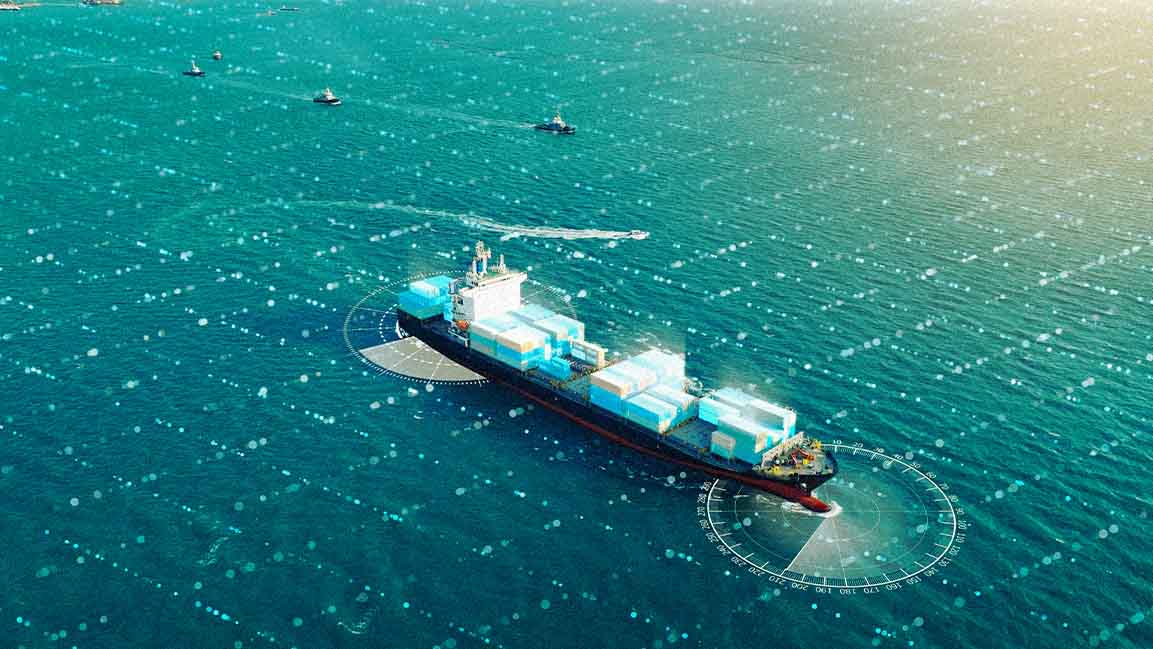
As shipping and logistics costs continue to increase, Steijn is establishing a distribution hub in Europe, a region seemingly less impacted by geopolitical conflict, to market and sell her products. So, while efforts in the region will focus on brand awareness, in Europe, they will focus on sales and marketing. “We cannot control what is happening around us, but we can control what we do, and we can control the choices we make,” she says.
KEY TAKEAWAYS
Regardless of the type of startup, founders across the region are feeling the ripple effects of the conflict, whether through cautious investor sentiment, the search for solutions amid uncertainty, or creative ways to sustain the business.
Besides focusing on cash flow and maintaining financial sustainability, which are key to the continuation of any startup, Diala J. Daoud, a startup growth expert based in Qatar, says founders should also communicate regularly with their clients and investors to build trust and gain real-time insights.
“I would make sure to communicate properly with my clients to understand their scope now, and understand from them what is happening next, if they’re pushing a project until further notice, or if they are suspending a purchase order, to know what your action plan is moving forward,” she says. “I would also definitely sit and speak with my investors and get their advice on how we should navigate through this period.”
While conflict always brings uncertainty, founders who stay calm and think strategically will be the ones to bounce back stronger from this temporary setback.
“Obviously, there is going to be an impact; we can’t say there’s not,” says Hatherall-Shaw. “But as we learned during COVID, there are always opportunities. There are always ways to get through this.”