
- | 10:00 am
How the Middle East is using tourism to create jobs in rural villages
UN Tourism’s Jost Neumann on how tourism is driving inclusive growth and creating jobs in the Middle East’s rural communities
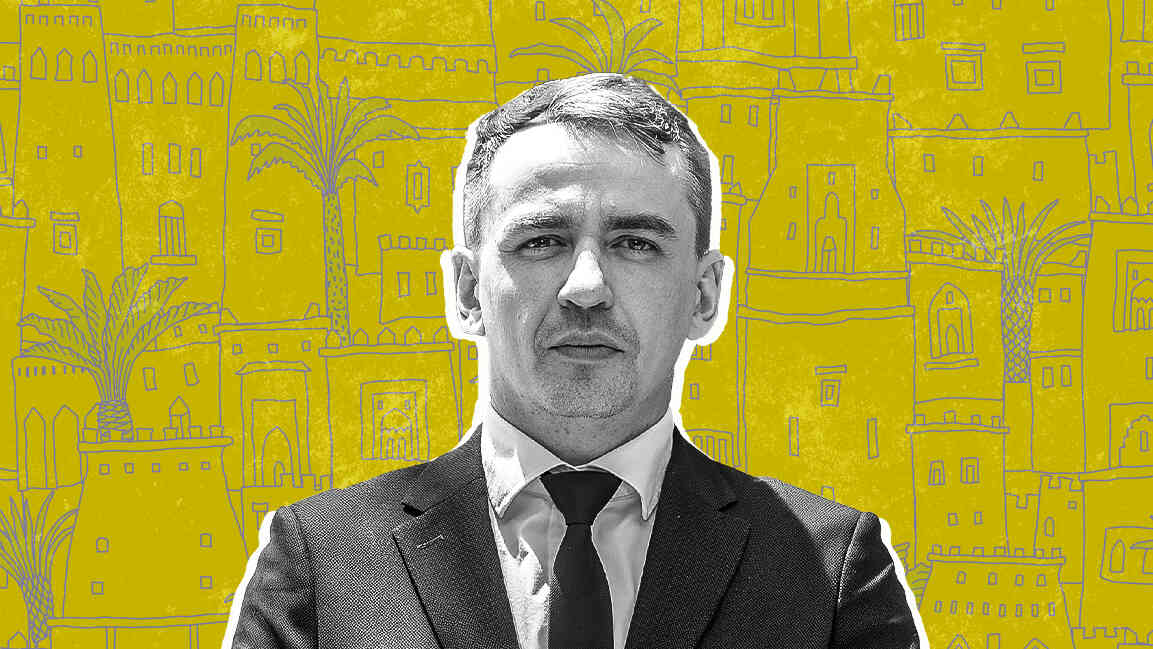


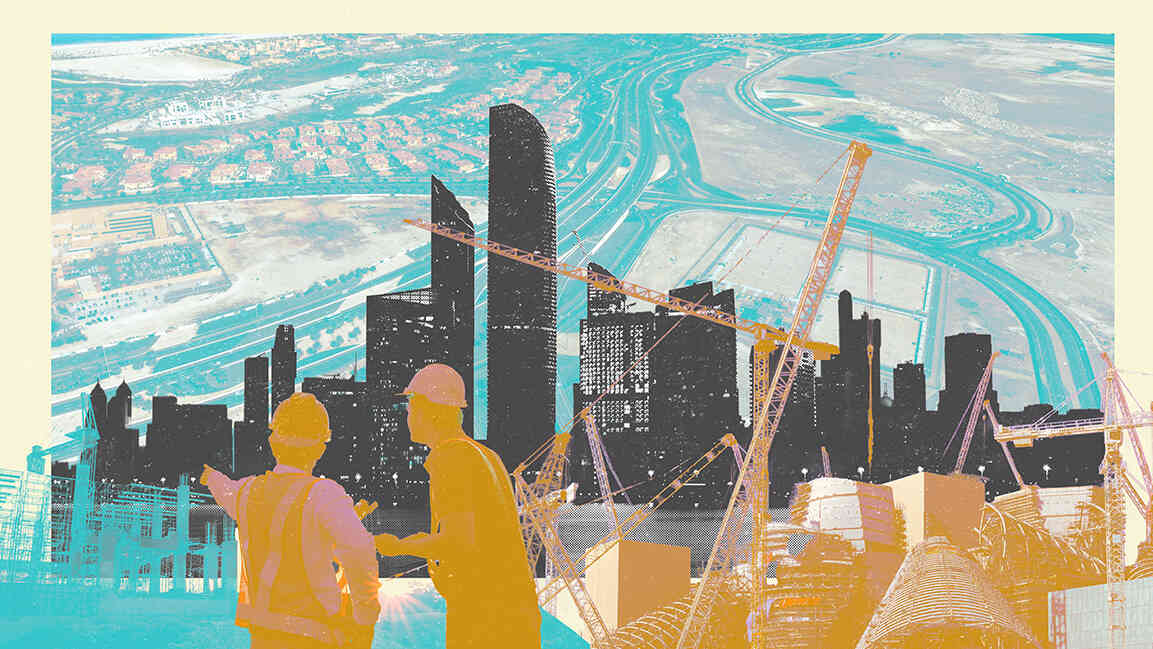
The Middle East is not just building skyscrapers and luxury resorts. It is turning rural villages into engines of economic growth. According to Jost Neumann, Coordinator of the Tourism for Rural Development Programme at UN Tourism, “Tourism continues to be a stable cornerstone of growth that drives job creation, not only in urban areas but also in remote destinations where cultural and natural assets exist.”
With rural areas hosting the majority of the world’s poor and workers in vulnerable employment, tourism is emerging as a vital tool to reduce inequality. “People in rural areas are twice as likely to work in informal labor conditions, with no contracts, no insurance, no pensions,” Neumann explains. “Tourism provides low-entry points for jobs, giving young people and women opportunities they might not otherwise have.”
A GLOBAL CHALLENGE A LOCAL SOLUTION
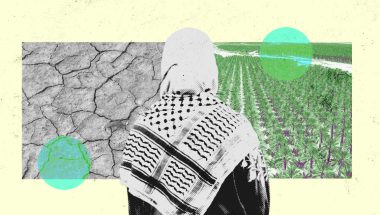
Rural regions face a triple threat: poverty, declining populations, and limited access to opportunities. UN data shows 84% of the world’s poor live in rural areas. Rural workers earn on average 24% less than urban workers. With rural populations projected to fall from 70% in 1950 to 32% by 2050, the need for sustainable development is urgent.
Neumann emphasizes the role of tourism. “Rural areas need much more than agriculture. Tourism, mobility, access to services, all of these are critical to ensuring people are not left behind.”
BEST TOURISM VILLAGES BRING OPPORTUNITY
UN Tourism’s Best Tourism Villages initiative recognizes and supports rural destinations that excel in cultural heritage, nature conservation, and sustainable tourism development. Currently, 14 Middle Eastern villages are part of the network, including Masfout in the UAE, the country’s first recognized village.
“This initiative gives communities voice and visibility,” Neumann says. “Young travelers today look for authentic experiences. They do not want to just sit in resorts. They want adventure, to connect with local culture, and to learn something new.”
The program also provides on-the-ground support to integrate rural communities into tourism value chains through capacity building and grants. “We work with communities to develop products and services that are sustainable and market-ready,” Neumann adds.
MIDDLE EAST LEADING THE WAY
The GCC countries are emerging as leaders in tourism development. Saudi Arabia created more than 1 million jobs in 2025 in the tourism sector alone. “There is intentional governance and investment in tourism here, which can serve as a blueprint for other regions,” Neumann notes.
He points to rural development strategies in the UAE and Saudi Arabia, where tourism revitalizes villages and aligns vocational education with private-sector needs. “Institutions are being built, including TVET and education systems that match tourism’s sub-sectors. This is how the labor market is being reshaped.”
INCLUSIVITY AND SUSTAINABLE GROWTH
Tourism is not just an economic tool. It is also a vehicle for inclusivity. UN Tourism emphasizes leaving no one behind, especially women and youth. “According to UN Tourism, women represent 54% of the global tourism workforce.“ Neumann says. Expanding access to tourism jobs is critical to diversify the workforce, particularly in the Middle East.”
The Best Tourism Villages initiative blends advocacy, research, and community support. Neumann highlights the broader impact. “84 percent of people living in poverty are in rural areas. Tourism can create opportunities, prevent depopulation, and give these communities a sustainable future.”
Looking forward, Neumann sees tourism as a bridge for regional cooperation and post-conflict recovery. “The goal is inclusive tourism where people can safely travel across the Middle East and experience its history and culture,” he says. “This requires harmonized policies, sustainable development, to work for everyone.”
For UN Tourism, tourism in rural areas is not a luxury. “We are creating pathways for growth, inclusion, and resilience,” Neumann concludes. “The Middle East is showing the world what is possible when policy, investment, and community engagement align.”