- | 12:00 pm
How the UAE is keeping trade, travel, and markets running amid regional tensions
Ports remain open, flights are gradually returning, and financial markets have resumed trading as authorities work to maintain stability across the country.



As disruptions to regional airspace, heightened security alerts, and military exchanges between Iran and the United States ripple across the Middle East, the United Arab Emirates is moving swiftly to protect economic continuity and reinforce market confidence.
From logistics hubs to financial centres, federal and local authorities have intensified coordination with major operators to ensure systems remain functional and responsive. Contingency plans have been activated across ports and airports, while supply chain stakeholders continue to manage routes, inventory, and risk exposure in real time. Aviation schedules are being adjusted in phases as airspace conditions evolve, and trade flows are being rerouted where necessary to minimise disruption.
The broader objective is to maintain operational stability while projecting reassurance to residents, businesses and international partners. Essential goods and services remain available, infrastructure continues to operate, and policymakers are closely monitoring developments to safeguard both economic resilience and public confidence.
TRADE KEEPS MOVING
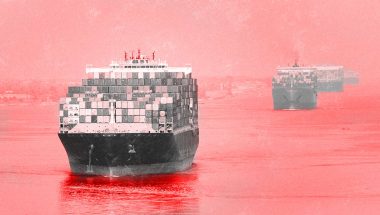
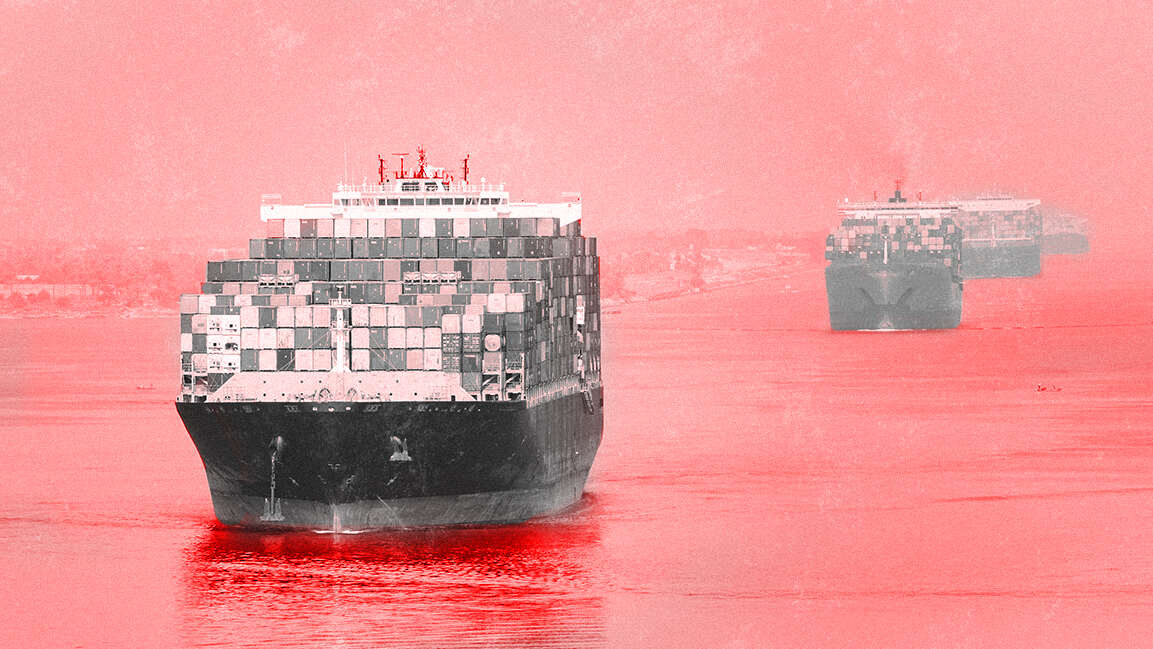
Maritime trade, the backbone of the United Arab Emirates’ logistics ecosystem, continues to operate with limited disruption despite regional developments.
AD Ports Group confirmed that operations across all its clusters remain fully functional. As a precaution, the group activated crisis management and business continuity protocols in coordination with UAE authorities to safeguard employees, partners and stakeholders while ensuring services continue without interruption.
All UAE ports and terminals managed by the group, including Khalifa Port, are operating normally. While traffic through the Strait of Hormuz has declined, which may result in fewer vessel calls at Khalifa Port, port operations remain fully functional.
Captain Mohamed Juma Al Shamisi, Managing Director and Group CEO of AD Ports Group, said global trade has historically demonstrated resilience during periods of tension.
“Through disciplined execution, operational excellence, and proactive risk management, AD Ports Group remains well positioned to support supply chain stability and uphold its commitments to customers across its global network, in line with the vision of our wise leadership,” he said.
Meanwhile, DP World confirmed that all terminals at Jebel Ali Port are operating normally, with enhanced safety and security measures in place. Jebel Ali, the largest port in the Middle East, handles more than 15 million TEUs of container cargo annually and connects trade routes across Asia, Europe, Africa and the Americas.
FLIGHTS RETURN, TOURISM HOLDS STEADY
Air connectivity, another pillar of the United Arab Emirates’ economy, is gradually stabilising as authorities scale up operations in phases.
At the same time, the country’s tourism and hospitality sector continues to demonstrate resilience. Abdulla bin Touq Al Marri, Minister of Economy, said during a recent media briefing that the UAE’s tourism infrastructure remains robust, supported by 1,260 hotels and more than 40,000 tourism companies operating nationwide.
The minister also confirmed that airports in Dubai have resumed partial operations, with around 80 flights operating daily as schedules are progressively restored and airspace conditions evolve.
The sector maintains the capacity to handle up to 48 air movements per hour, while authorities continue to assist travellers affected by recent disruptions and coordinate closely with airlines and hospitality operators. Hotel occupancy rates across the country remain stable, reflecting the industry’s ability to absorb short-term shocks while maintaining service continuity and visitor confidence.
FOOD SUPPLY SECURED
Food security remains a core national priority, with officials emphasising that the United Arab Emirates has robust safeguards in place to ensure uninterrupted supply chains and market stability.
“The food security system in the UAE is a red line,” Al-Marri stressed during the briefing. He added that authorities maintain a high level of readiness to monitor markets, track any price disruptions, ensure stability, and protect consumer rights.
“The UAE also maintains a strategic stockpile of essential commodities covering market needs for a period ranging between four and six months, ensuring the availability of key goods and price stability even under emergency cases,” he said.
Authorities oversee 627 sales outlets through digital monitoring systems, enabling real-time visibility over stock levels and supply flows across markets. Government agencies conduct daily assessments of inventory levels and analyse stock sufficiency to guarantee the consistent availability of essential goods nationwide.
To reinforce market stability, strict enforcement mechanisms are in place. Deterrent measures are applied to businesses that violate pricing regulations or attempt to manipulate markets, ensuring transparency and accountability.
Collectively, these measures are designed to maintain consumer confidence, shield residents from price volatility and reinforce resilience during periods of regional uncertainty.
FINANCIAL MARKETS REOPEN
The United Arab Emirates’ financial markets have resumed full operations, reinforcing confidence in the country’s economic resilience and institutional stability.
Trading on both the Abu Dhabi Securities Exchange and the Dubai Financial Market has resumed following the implementation of precautionary measures, restoring normal market activity and liquidity.
The resumption reflects continued investor confidence in the UAE’s financial ecosystem, supported by strong regulatory oversight and robust market infrastructure. It also reflects the country’s capacity to sustain orderly trading conditions and safeguard economic stability even as regional tensions continue to unfold.