- | 9:00 am
Saudi Arabia’s rise as a global tourism leader begins with vision and purpose
Tourism is evolving into a sector where growth aligns with authenticity and sustainability


By 2030, the real test for Saudi Arabia’s tourism ambitions will be permanence. The Kingdom aims to rank among the world’s top five destinations, contribute ten percent to GDP, and create more than one million new jobs. But what makes a destination scalable without eroding the qualities that made it valuable is a network of operational systems that rarely make headlines.
Building those systems means harmonized visa regimes and digital travel facilitation, as well as seamless connectivity linking airports, ports, and destinations, along with streamlined licensing and procurement processes designed for efficiency and accountability. It also means embedding regenerative design across projects such as AlUla, Diriyah, and the Red Sea, while investing in people through vocational training, enterprise finance, and community development.
Early progress is already visible. Regulatory processes are being digitized, licensing is being simplified, and nearly 700,000 training opportunities have been delivered since 2020 to strengthen the domestic workforce. At the same time, efforts to align visa systems, expand regional partnerships, and advance engagement through the G20 tourism agenda are deepening Saudi Arabia’s integration with global markets. Increasingly, success will be defined not by visitor numbers but by the sustainability of ecosystems, the transparency of governance, and the inclusivity of economic gains.
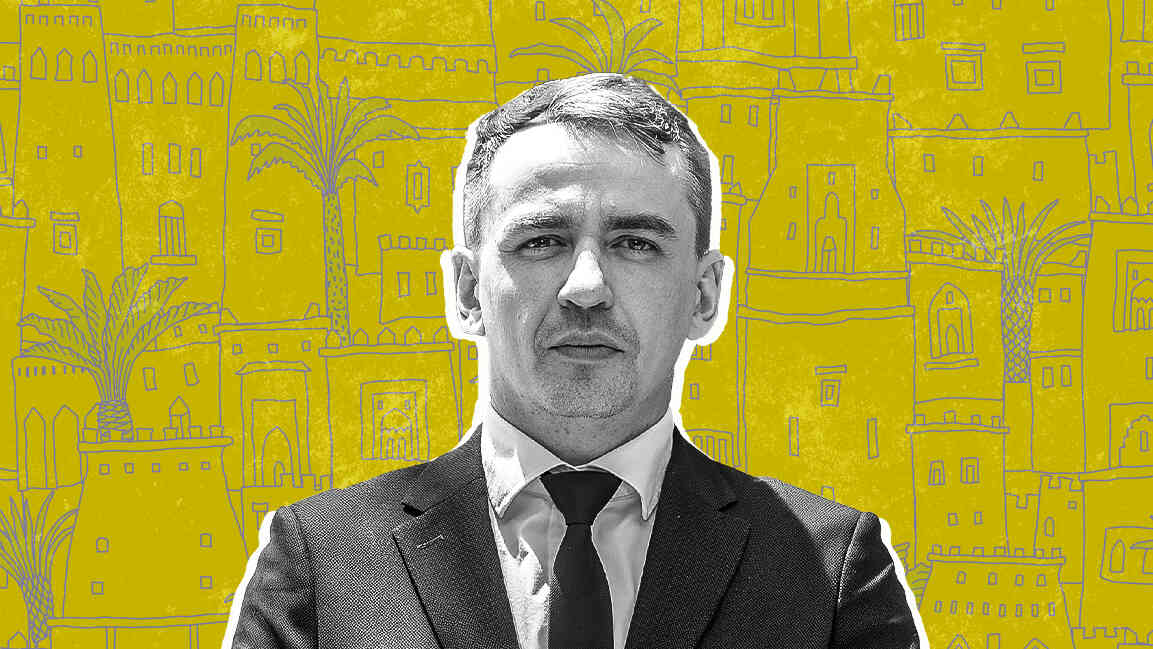
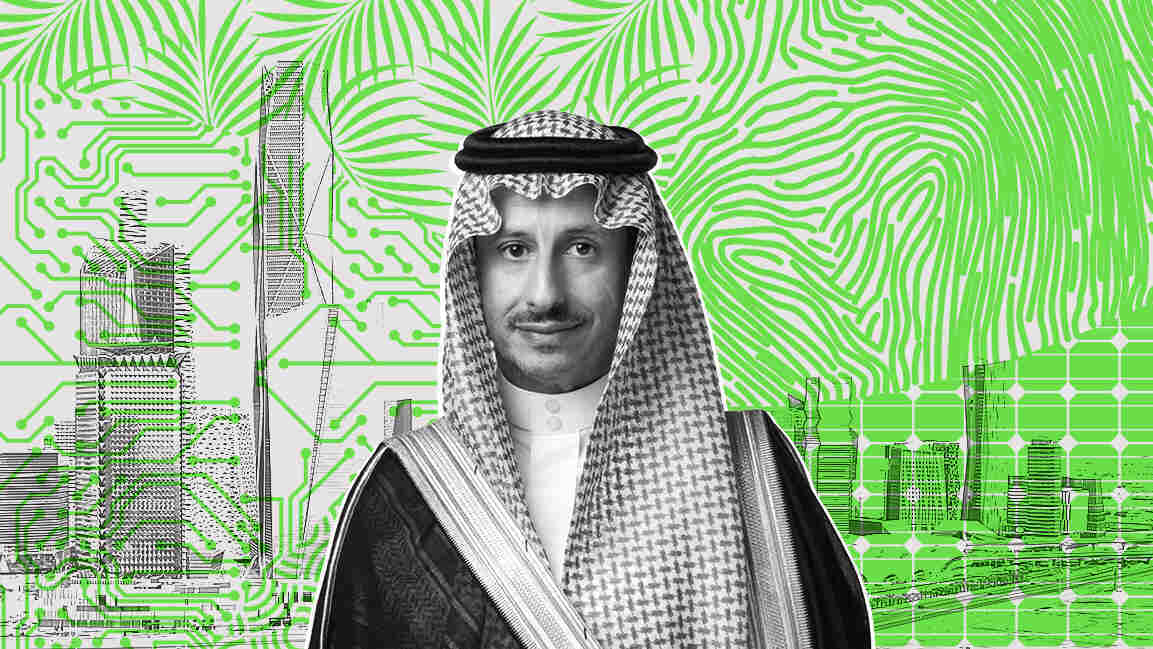
H.E. Ahmed Al-Khateeb, Minister of Tourism, Saudi Arabia, outlines how the Kingdom is aligning governance, policy, and technology to move beyond rapid growth to a globally integrated and future-ready tourism system.
VISION AND STRATEGY
Saudi Arabia has positioned tourism at the core of its national transformation agenda for 2030. The goal, he explains, is to “fill the global gap for a destination that blends deep cultural heritage with modern infrastructure and forward-thinking sustainability.”
By leveraging initiatives such as the UN Tourism Middle East Regional Office, the G20 tourism agenda, and various regional alliances, Saudi Arabia is cultivating a tourism ecosystem engineered for resilience, sustainability, and global integration. These partnerships are helping the Kingdom position itself as a key player in shaping the future of international travel.
Al-Khateeb asserts that innovation will be the defining characteristic of the next era of tourism growth. “We are investing in advanced technologies, artificial intelligence, and smart destination planning to enhance the visitor experience and ensure environmental sustainability.” Projects like Diriyah and AlUla demonstrate how digital innovation can enhance cultural authenticity and promote environmental protection. Collectively, these projects showcase technology’s potential to harmonize with heritage and natural splendor.
He believes the future trajectory of global tourism will center on experiences that deliver enduring value for both travelers and host communities. “Saudi Arabia is not only preparing for that future but shaping it,” he says.
The Kingdom is committed to prioritizing substantive, sustainable experiences over sheer visitor numbers, developing itineraries deeply rooted in authenticity and a strong sense of place. By forging a unified approach across culture, innovation, and environmental accountability, Saudi Arabia aims to establish the global standard for purposeful travel in the years to come.
POLICY AND TRANSFORMATION
Transforming a sector as vast as tourism requires more than new projects. It calls for rethinking how systems and people work together. “Transformational change requires modern and agile systems,” Al-Khateeb says. Saudi Arabia has overhauled its regulatory framework to improve transparency, predictability, and investor confidence. Licensing and investment approvals are being digitized, streamlined, and aligned with international standards to create a more efficient and competitive business environment.
Yet policy reform is only one side of the equation. True change, Al-Khateeb emphasizes, also depends on mindset. “We are creating a culture of service excellence, collaboration, and innovation across every level of the tourism ecosystem,” he explains. This combination of modern regulation and forward-looking values, he adds, ensures that the transformation is both sustainable and inclusive.
Sustainability, in particular, has become the defining principle of the next stage of growth. “Saudi Arabia is setting a global benchmark for sustainable tourism at scale,” he says. The objective is to embed sustainability into every aspect of development, from infrastructure and operations to talent development and community engagement.
Over the next 12 to 18 months, the ministry will continue to advance this vision responsibly. Projects such as Red Sea Global and AlUla are already demonstrating how regenerative design and nature preservation can coexist with innovation and accessibility. At the same time, initiatives in digital travel facilitation, visa harmonization, and improved connectivity are making it easier for international travelers to experience the Kingdom. “This holistic approach to growth will define Saudi Arabia’s leadership in shaping the future of global tourism,” he notes.
IMPLEMENTATION AND IMPACT
Saudi Arabia’s tourism strategy is designed to grow not only in scale but also in depth. It reflects a deliberate effort to strike a balance between ambition and inclusivity, building world-class infrastructure while investing equally in people, culture, and creativity. “Large-scale projects are intentionally complemented by community-based development programs that ensure benefits reach local entrepreneurs, artisans, and citizens,” Al-Khateeb asserts.
At the heart of this approach is human development. The ministry continues to expand vocational and leadership programs to empower Saudi professionals and diversify offerings across cultural, business, and eco-tourism segments. This emphasis on skills and talent ensures that progress is measured not merely by visitor numbers or GDP contribution, but by the empowerment of those who bring the sector to life every day.
Equally vital is the preservation of Saudi Arabia’s cultural heritage. “We work closely with local communities, historians, and conservation experts to ensure that development enhances rather than diminishes cultural authenticity,” he explains. Flagship destinations such as AlUla and Red Sea Global reflect this balance, where regenerative tourism and heritage conservation coexist to protect identity while driving progress.
The ministry also acknowledges that true impact extends beyond headline figures. “Visitor numbers are only one metric in the narrative,” Al-Khateeb states. “We measure success through the quality and sustainability of the impact we generate.” Key metrics include employment created, skills developed, communities empowered, and ecosystems protected. The ultimate goal, he adds, is a tourism ecosystem that is resilient, inclusive, and future-ready, one that contributes not only to national prosperity but to global progress.
HUMAN CAPITAL AND YOUTH
Tourism has emerged as one of the most dynamic career pathways for young Saudis, providing ample scope for creativity, entrepreneurship, and innovation. Currently, more than 15 percent of jobs in the sector are occupied by individuals aged between 15 and 24, a rate that surpasses the global average.
Recognizing that people are the foundation of any successful tourism economy, the ministry has made human capital development a national priority. Since 2020, the ministry has generated over 694,000 training opportunities in critical areas, including hospitality, management, and customer experience, spearheaded by institutions such as the Riyadh International Tourism Academy. These comprehensive programs are meticulously designed to equip young people with the essential competencies needed to excel in a rapidly evolving global industry.
For Al-Khateeb, this is about more than workforce readiness. It’s about inspiration and ownership. “My message to young Saudis is clear: this is an industry that empowers you to shape the Kingdom’s future while building fulfilling and future-ready careers,” he says.
LEADERSHIP AND REFLECTION
For Al-Khateeb, leadership in tourism is fundamentally rooted in collaboration. “Collaboration has been the most essential quality in advancing our goals,” he says. “Tourism is by nature a shared enterprise, built on partnership between the public and private sectors and across international borders.”
This collaborative approach has been the guiding principle for Saudi Arabia’s engagement on the global stage, from spearheading initiatives such as TOURISE and the UN Tourism Executive Council to cultivating alliances with various international organizations. These strategic partnerships have successfully strengthened knowledge exchange, aligned global standards, and fostered a shared commitment to inclusive growth and development.
But collaboration alone does not make transformation easy. As Al-Khateeb notes, real progress often demands difficult choices. The most challenging decisions, he admits, involve balancing speed with sustainability, ambition with responsibility, and opportunity with inclusivity. “Choosing where to focus investment, how to phase development, and how to ensure long-term value has required careful judgment,” he reflects. Yet, he adds, such challenges have reinforced the ministry’s determination to build a tourism model that is both globally competitive and authentically Saudi.
Ultimately, what grounds his leadership is not just strategy but purpose. “I am deeply inspired by the idea that great projects must serve future generations,” he says. Tourism, he believes, is more than an industry. It is a form of storytelling, connection, and national pride. Seeing Saudis share their culture, history, and hospitality with the world, he adds, offers a constant reminder that today’s work will define not only destinations but the stories that future generations will tell about the Kingdom.