
- | 9:00 am
The stories of impact that moved the Middle East forward in 2025
These stories prove that in 2025, impact wasn’t optional—it was the strategy.
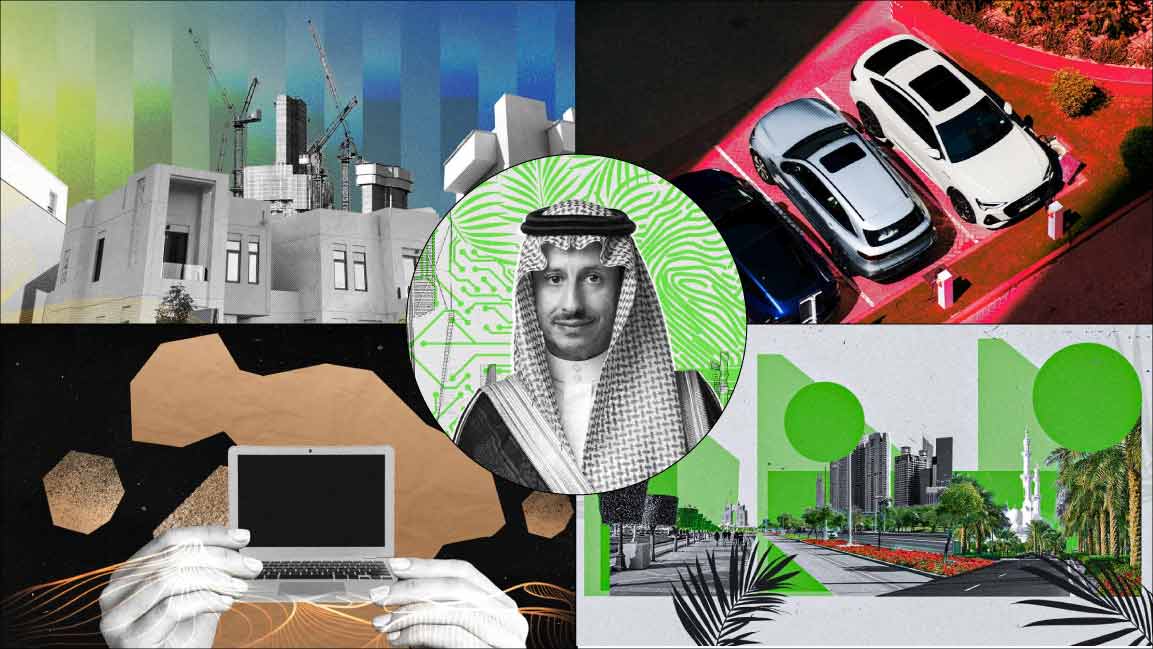


Impact in 2025 wasn’t about grand promises–it was about tangible change. Across the Middle East, leaders and organizations moved from ambition to action, redefining what progress looks like in a region balancing rapid growth with long-term resilience. This year’s most impactful stories spotlight ideas that didn’t just inspire, but delivered measurable results: reshaping cities, influencing policy, and setting new standards for how innovation can serve both people and the planet. From sustainability and climate action to smarter urban development, these stories capture a pivotal moment–when impact became a strategic imperative, not a side initiative, and the region began charting models others can learn from.
Is Riyadh’s rent freeze a reaction? Or a long-term strategy
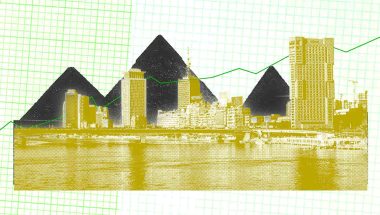
For years, Saudi Arabia’s real estate sector has been characterized by rapid expansion, high demand, and rising prices. However, as the government seeks to curb inflation and stabilize the market with a rent freeze, a quieter transformation is underway, prompting landlords and developers to reassess what value means in real estate.
With quick profits off the table, the focus is shifting from speculative towers to livable, long-term spaces, raising a bigger question: can a five-year rent cap redefine how cities grow and who they serve in the kingdom’s urban future?
It’s changing how developers design, how investors calculate returns, and how people imagine the future of living in Saudi cities.
Read the full article by Nadin Hassan here.
Saudi Arabia’s rise as a global tourism leader begins with vision and purpose
By 2030, the real test for Saudi Arabia’s tourism ambitions will be permanence. The Kingdom aims to rank among the world’s top five destinations, contribute ten percent to GDP, and create more than one million new jobs. But what makes a destination scalable without eroding the qualities that made it valuable is a network of operational systems that rarely make headlines.
H.E. Ahmed Al-Khateeb, Minister of Tourism, Saudi Arabia, outlines how the Kingdom is aligning governance, policy, and technology to move beyond rapid growth to a globally integrated and future-ready tourism system.
Read the full interview by Ravi Raman and Karrishma Modhy here.
The business of parking: Dubai’s Parkin reinvents urban mobility, but at what cost?
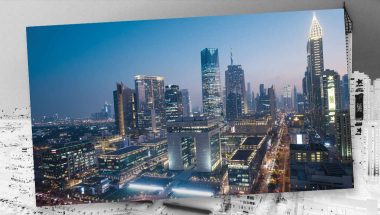
In March 2025, Parkin introduced a variable pricing system, the first update since 2015, rolling out premium rates during peak hours and zone-based pricing across the city. “We moved from being a parking operator to managing and operating spaces,” said Al Ali. Now, 40% of public parking is classified as premium, up from 35%, subtly reshaping access to parking in a car-dependent city.
Read the full article by Rachel Dawson here.
Why should more cities in the Middle East follow Abu Dhabi’s green blueprint?
Abu Dhabi teems with life. Joggers wind along green paths lined with neem, palm, and other native plants. Children skip rope, while couples rest on benches on the manicured waterfront.
A green wave is sweeping across the city, offering an escape from the concrete jungles that have long typified many big cities in the GCC countries.
Forests and vegetation are gaining ground as new parks are built and trees planted, adding to the nature-rich islands and urban wetlands.
Spread across the neighborhoods of Khalifa City, Al Ain, Shakhbout, and MBZ, SLA, a Danish nature-based design studio, has transformed 740,000 m² of previously barren land into 104 vibrant parks filled with local trees, native plants, and shaded walkways.
Read the full article by Suparna Dutt DCunha here.
How intentional creativity is transforming business in the Middle East
In an age of constant and accelerated innovation, it’s not how businesses adapt, but how they stay human. It’s about intention, measured not solely by viral campaigns, tech disruption, or trendsetting products, but by the ability to build community and reimagine systems to be more inclusive and meaningful.
Across the Middle East, visionary leaders are redefining creativity not as a pursuit of novelty, but as a return to what truly matters through food that evokes memory, cinema that builds community, hospitality that personalizes, education that provokes thought, or advocacy that shifts systems.
Read the full article by Jennifer George here.