- | 12:00 pm
Why I travel: Sir Martin Sorrell
Journeys Unpacked sits down with Sir Martin Sorrell to talk about the places that shaped his worldview, and why being on the ground matters more than any spreadsheet.


Travel and sustained exposure to different cultures play a defining role in shaping how global leaders think, adapt, and innovate. For executives operating across borders, firsthand engagement with diverse markets often informs not only business strategy, but also leadership philosophy and long-term vision.
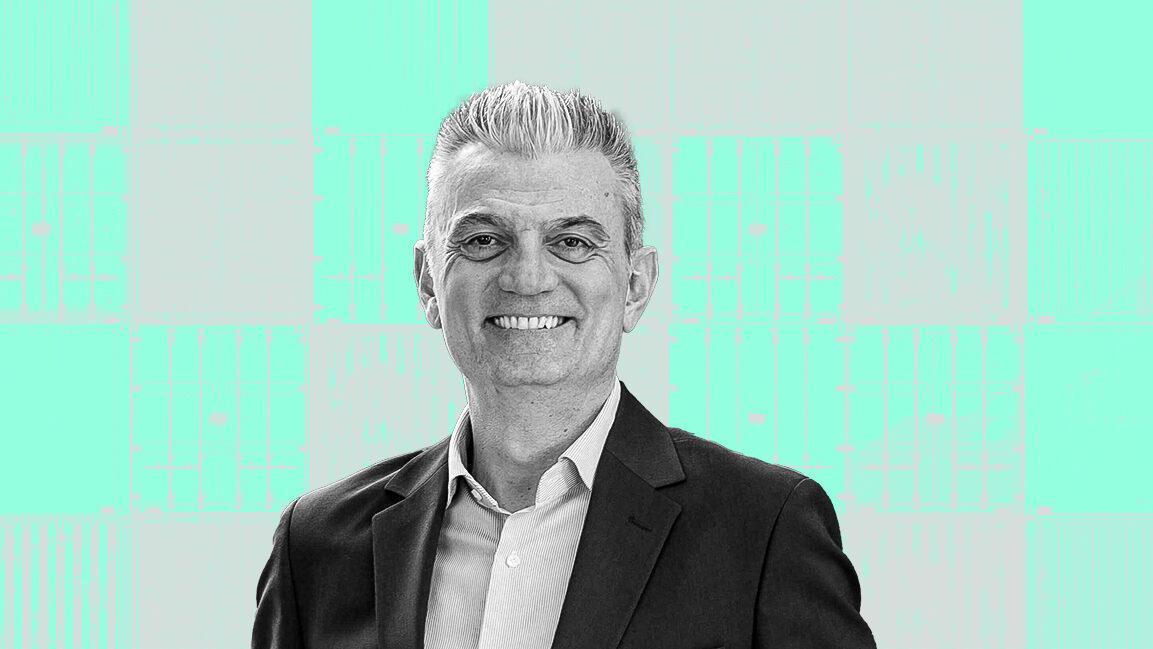
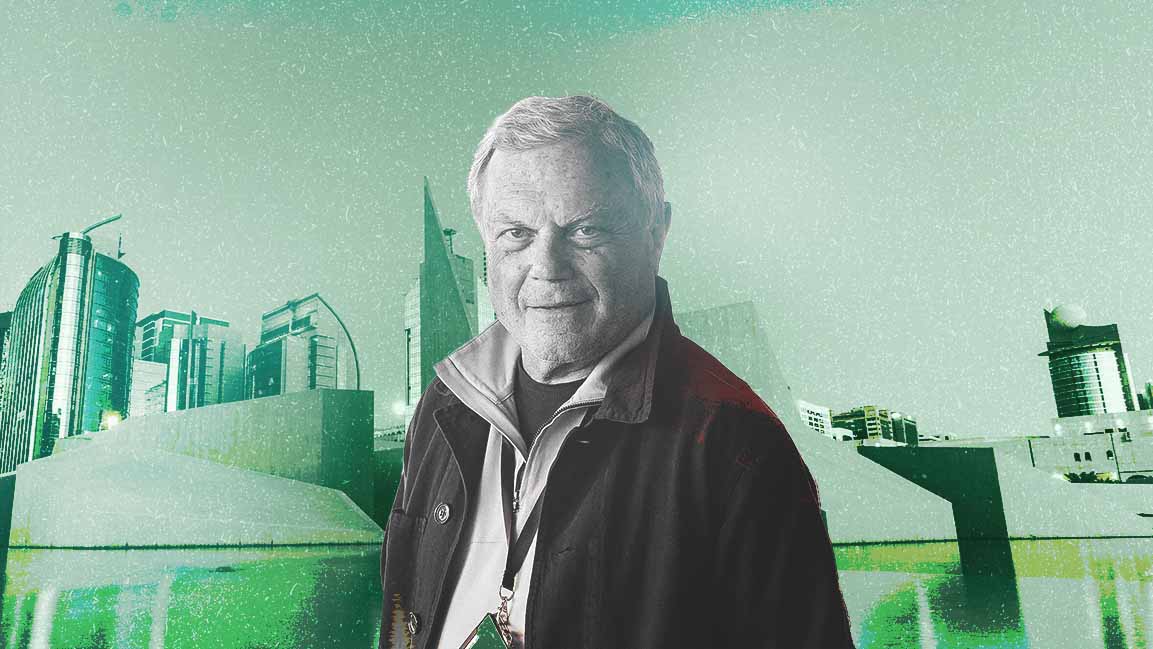
Sir Martin Sorrell, Founder and Executive Chairman of S4Capital plc, reflects on his travels, recalling destinations that have left a lasting impression and compelled him to slow down and observe. He cites places such as José Ignacio in Uruguay, which he says has a distinct atmosphere that encourages stillness and reflection.
Sorrell also speaks about his travels across the Middle East and how the region has shaped his outlook.
Journeys Unpacked: You travel constantly. What does travel give you that staying put never could?
Sir Martin Sorrell: Perspective—real perspective. You can analyse data, read reports, and follow the charts, but you don’t truly understand the velocity of change until you’re there. Travel helps me see how the economic and political tectonic plates are shifting. It turns theory into lived reality.
JU: Are there places that have stayed with you emotionally?
Sorrell: Very much so. José Ignacio in Uruguay is one. It has a stillness that forces you to slow down and observe. It’s reflective. You notice details. You think more clearly. That kind of environment is incredibly valuable when you’re making big decisions.
JU: You’ve spent a lot of time in the Middle East. What stands out to you there?
Sorrell: Riyadh, Abu Dhabi, Dubai, Jeddah, and Cairo have left the strongest impression on me. What strikes you immediately is the combination of deep-rooted history and an unapologetically futuristic ambition. You see it everywhere.
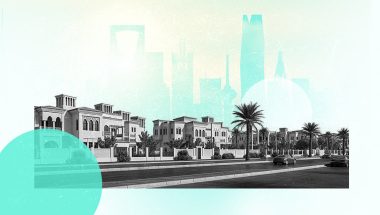
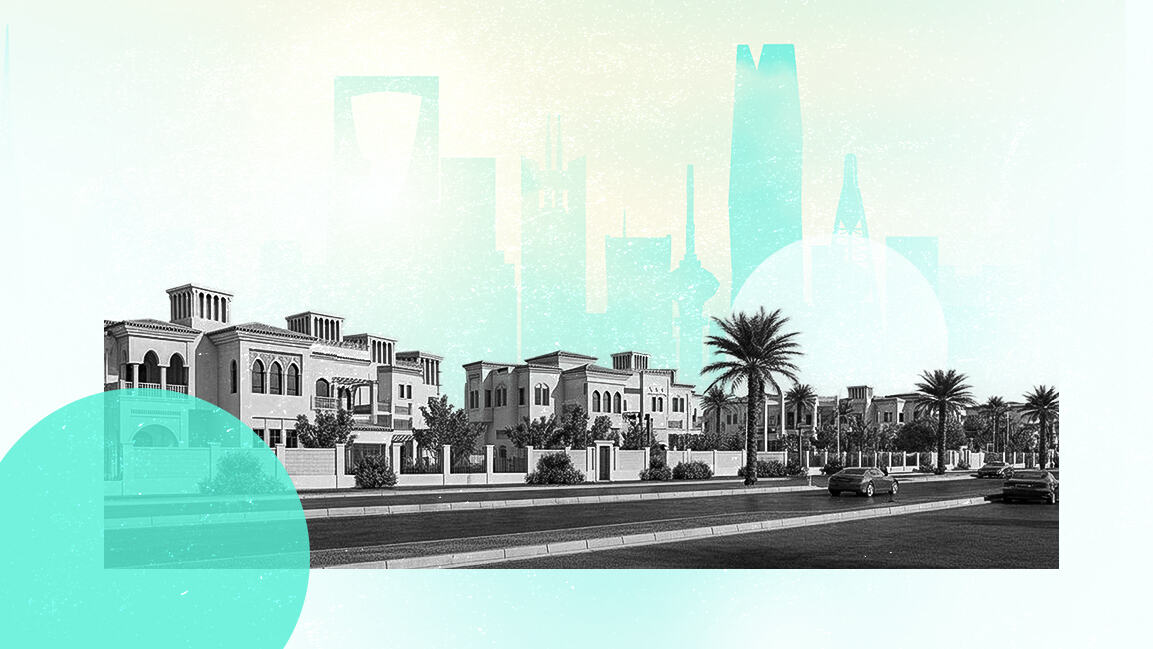
Take Jeddah, for example: historic architecture standing shoulder to shoulder with massive new developments. Or Riyadh, transforming at remarkable speed into a global hub. It feels like you’re watching the centre of gravity shift in real time. In many ways, this region feels like the new Europe or the new Shanghai.
JU: What surprised you most?
Sorrell: Efficiency. In many parts of the world, there’s a trade-off. You might have beautiful buildings, but the systems behind them are slow or outdated. In the Middle East, the physical world and the digital world are in sync.
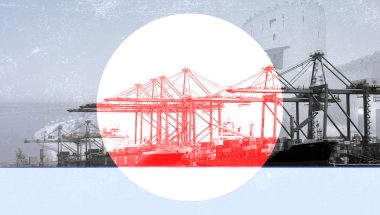
The airports, the road networks, the digital infrastructure—it all works. Coming from Western markets where infrastructure is ageing and bureaucracy can slow everything down, seeing that level of precision was a revelation.
JU: When you visit fast-growing cities or mega-projects, what do you look for?
Sorrell: Longevity. Capital can build things quickly, but speed doesn’t guarantee endurance. I’m always asking: is this designed to solve today’s problems, or to support growth over the next 50 years?
True success lies in connectivity—how well people, commerce, and technology are integrated. When you see infrastructure built with that long-term ambition, you know the city is positioning itself for future prosperity.
JU: Has travel changed how you think about leadership and your work?
Sorrell: Absolutely. Travel constantly reminds me that the future isn’t being built in the boardrooms of the West alone. Every time I land in the Middle East or Asia, I see energy, ambition, and investment at scale.
That changes how you think about where to place bets, how to build organisations, and how to stay relevant. Travel keeps you honest. It shows you where momentum really is—and where it’s heading next.