- | 11:00 am
Why Saudi Arabia’s $800 billion bet on transformative tourism matters
From regenerative luxury to world-class cultural and entertainment events, Saudi Arabia’s tourism renaissance is rewriting what travel means and how we remember it.
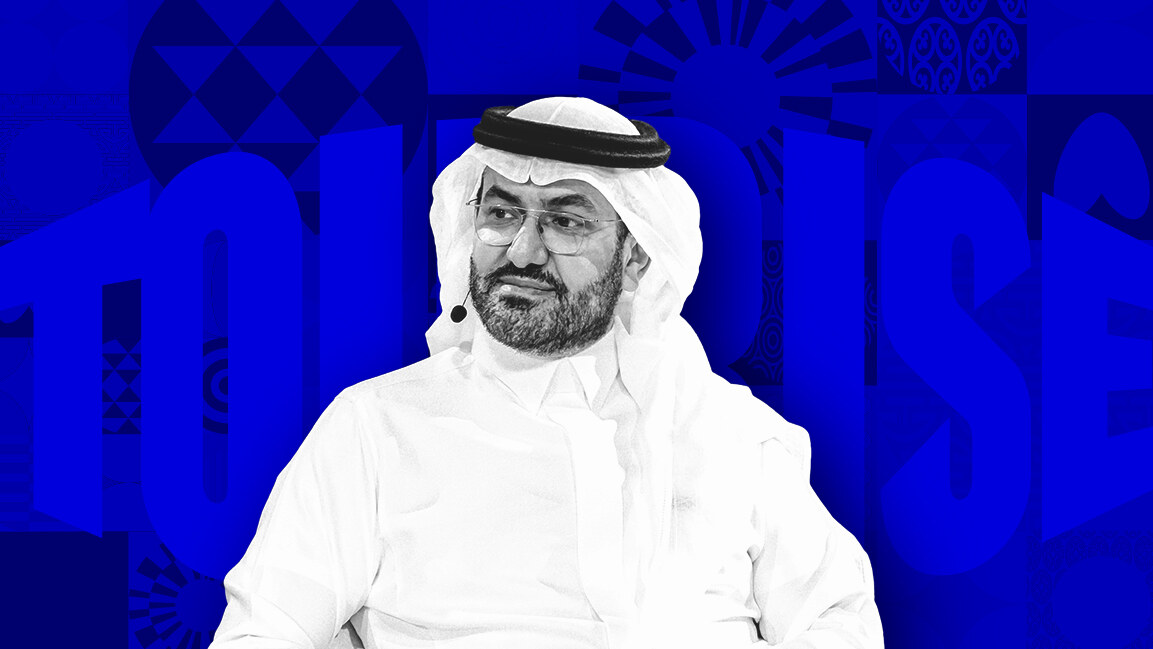


When Fahd Hamidaddin talks about tourism, it’s not just about hotels, airports, or beaches. He’s describing a blueprint for nation-building.
As CEO of the Saudi Tourism Authority (STA), Hamidaddin is helping shape one of the world’s most ambitious reimaginings of what tourism can be. A sector contributing to GDP, creating jobs, sustainability, culture, and global collaboration. Saudi Arabia, he says, is not improving an old tourism playbook; it’s writing a new one.
“Transformative tourism isn’t just about enhancing the visitor experience; it’s about fundamentally transforming a nation’s economy and empowering its people,” he says. “We’re building an entire tourism ecosystem from a greenfield start.”
It’s backed by $800 billion in investment, with nearly one million people already working in the sector, and is expected to create 1.6 million jobs by 2030.
A LIVING LABORATORY FOR THE FUTURE OF TRAVEL
Hamidaddin views Saudi Arabia as a “living laboratory,” a place where the future of travel is being tested in real time.
Its AI-powered assistant, Noura, has already delivered 1.2 million personalized travel sessions, while the newly launched Agentic AI Coalition is designing frictionless, automated travel experiences.
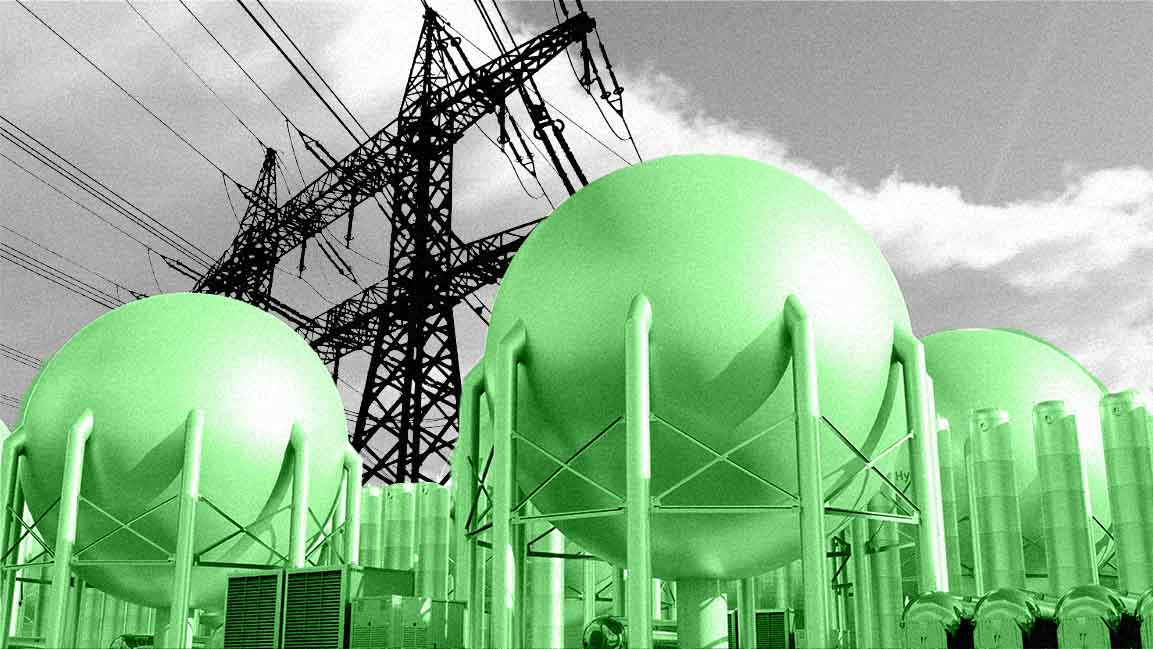
Meanwhile, the Red Sea giga-projects are pioneering regenerative tourism, powered by the world’s largest renewable-energy microgrid.
All of this comes at a moment when Saudi Arabia’s rapidly diversifying workforce has reached a milestone: women now make up 46% of the tourism sector.
“These aren’t slogans,” Hamidaddin says. “They’re models the world can learn from.”
BUILDING A UNIFIED TOURISM ECOSYSTEM
Transformation of this scale, however, doesn’t happen without challenges. “The biggest challenge wasn’t just building; it was aligning a fragmented ecosystem at a speed to match our ambition,” Hamidaddin says.
His solution? Position the STA not as a regulator, but as an enabler. Today, the organization has unified more than 300 global partners, coordinated air connectivity with carriers ranging from Saudia to Virgin Atlantic, and launched integrated booking systems that align the entire value chain.
A standout example is the recently announced “Visa by Profile” initiative, a collaboration with Visa that assesses traveler eligibility based on financial reliability rather than nationality. “It’s true public–private convergence,” he says. “It removes friction and makes travel smarter.”
THE PRIORITY TRAVELER
A global shift is underway: travelers want authenticity over opulence, provenance over polished programming. Hamidaddin says this “new traveler” is Saudi Arabia’s priority audience.
On one side lies a rich heritage: eight UNESCO World Heritage sites, over 10,000 archaeological sites, and ancient desert landscapes that date back 200,000 years. On the other side is a cultural renaissance, marked by the Unreal Calendar, an initiative to spotlight the variety and vibrancy of world-class events taking place across the country, including MDLBEAST festivals, sporting events, and entertainment offerings that firmly place Saudi Arabia on the world stage.
“We’re proving that heritage and modern luxury can co-exist,” he says, highlighting the regenerative development of the Red Sea, the rebirth of Diriyah, and the storytelling magic of AlUla.
WHERE COMMUNITIES BECOME STORYTELLERS
If infrastructure is the backbone of Saudi tourism, storytelling is its heartbeat. “We empower our local communities to be the sole storytellers of Saudi’s heritage,” Hamidaddin says.
In AlUla, local guides narrate the history of Nabataean tombs across a landscape often described as a “living open-air museum.” In Diriyah, residents share centuries-old traditions in a city considered the birthplace of the modern Saudi state, which welcomed more than three million visitors last year.
This community-driven storytelling, he explains, is what creates emotional resonance, the sense of connection visitors increasingly seek.
TOURISM IS REDESIGNING CITIES
Globally, urban design is shifting toward a focus on walkability, culture, and sustainability, with tourism increasingly serving as a catalyst. Saudi Arabia’s Vision 2030 places tourism at the heart of economic diversification, leading to over $500 billion in new destination development across the kingdom.
From Riyadh’s evolving cultural districts to Jeddah’s revitalized waterfronts, Hamidaddin sees tourism not as an overlay on urban life but as a blueprint for it. “We’re creating places where culture and communities thrive,” he says.
This model, he believes, will influence cities worldwide — a shift from tourism as an economic add-on to tourism as a pillar of people-centered urban development.
MOMENTUM TOWARD 2030
Equally rapid improvements have matched Saudi Arabia’s rapid rise in tourism in access. Today, citizens of 66 countries can obtain an eVisa, while air connectivity spans more than 170 destinations, serving 103 million passengers as of September, which is a 9% increase compared to last year. Digital platforms like Nusuk now streamline arrivals for both global tourists and millions of pilgrims.
“Travel to Saudi Arabia has never been easier,” Hamidaddin says.
Saudi Arabia welcomed nearly 116 million visitors in 2024, positioning it firmly on track to reach its target of 150 million by 2030. The momentum is reflected in visitor numbers and global recognition. According to the UN World Tourism Barometer, Saudi Arabia ranked first worldwide in the growth of international tourism receipts in the first quarter of 2025 compared with the same period before the pandemic.
Several milestone developments are now nearing completion. Qiddiya City is entering its final stages of construction, with Six Flags Qiddiya set to open its gates on December 31, marking the debut of one of the kingdom’s most dynamic entertainment destinations.
Along the Red Sea, progress is also gathering pace. Ten resorts are already welcoming guests, and 17 additional properties are scheduled to open by mid-next year, spanning flagship destinations such as Shura Island and Amaala, both designed for regenerative luxury.
These developments lead up to two significant global events that will provide unmatched visibility for the kingdom: Riyadh Expo 2030 and the FIFA World Cup in 2034.
“We’re not slowing down,” Hamidaddin says. “We’re accelerating.”
At TOURISE 2025, the global tourism summit, Saudi Arabia showcased how billions of dollars spent on new airports, resorts, and destinations are reshaping its tourism ambitions. The summit brought together more than 1,000 global leaders from ten sectors to build partnerships and models for the future of the tourism industry.
“Rather than simply reacting to disruption, TOURISE led through it,” Hamidaddin says. “It’s shaping a more sustainable, resilient, and future-ready tourism industry.”
For Hamidaddin, tourism is merely the vessel—economic diversification, youth empowerment, sustainability, and cultural connection are what it carries.
But the true story is bigger: a nation throwing open its doors and showing the world its transformation in real time.