- | 11:00 am
Abu Dhabi launches solar self-supply policy to boost clean energy use
Under the new policy, customers can choose between continuing to draw electricity from the grid or adopting flexible energy solutions.
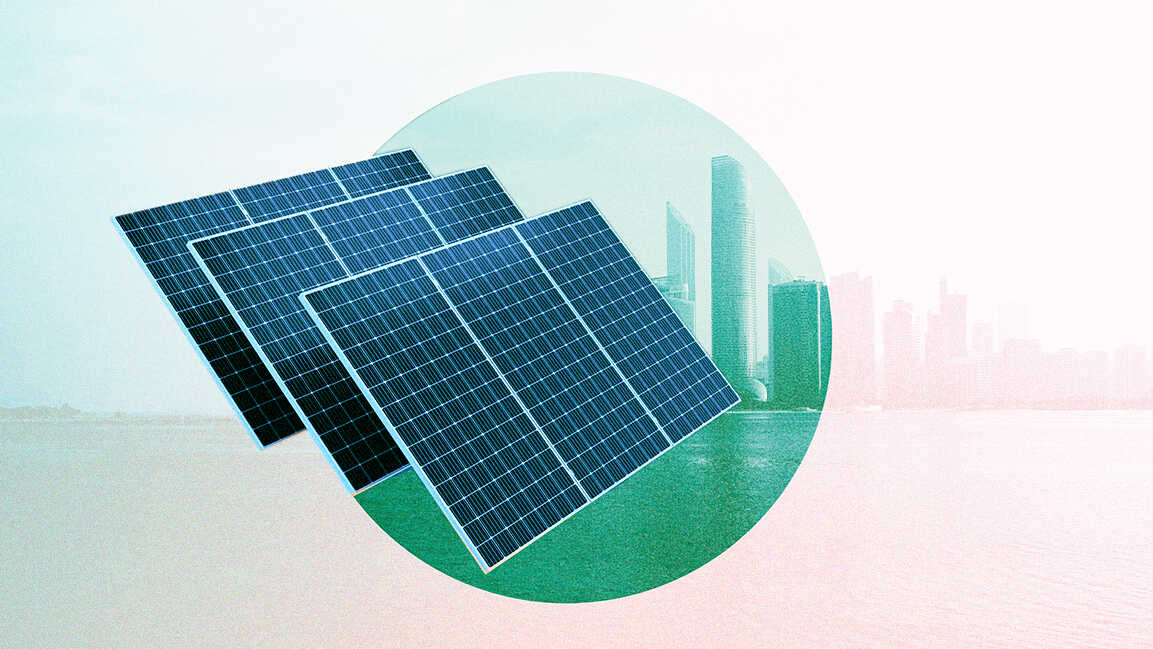


The Abu Dhabi Department of Energy (DoE) has introduced a Solar (Photovoltaic) Energy Self-Supply Policy, allowing customers to improve daytime electricity efficiency and increase the use of clean and renewable energy through smart and flexible consumption solutions.
The policy forms part of Abu Dhabi’s broader efforts to transform energy generation and consumption in line with the Abu Dhabi Energy and Water Efficiency Strategy 2030. It also seeks to promote responsible electricity use and support the national transition toward greater reliance on renewable energy, particularly in sectors with high electricity demand.
Alongside the policy, the DoE will roll out a guidance manual on high-efficiency appliances aimed at improving energy-use practices across households, businesses, and institutions. The manual provides a practical framework to help users select, purchase, and operate energy-efficient appliances and systems based on performance metrics and life-cycle cost analysis.
Covering key end uses such as cooling, water heating, lighting, electrical equipment, motors, pumps, and irrigation systems, the manual promotes best practices, smart control technologies, and data-driven decision-making.
These measures are intended to reduce energy and water consumption, lower peak demand, cut long-term costs, and support emissions reduction and system-wide efficiency.
Under the new policy, customers can choose between continuing to draw electricity from the grid or adopting flexible energy solutions. These include installing photovoltaic systems for self-supply and self-consumption, using solar-powered water heaters, and integrating battery energy storage systems to support electricity use, including during evening hours.
The DoE said the policy is expected to improve grid efficiency, enhance security of supply, and support the growth of Abu Dhabi’s energy sector, in line with the emirate’s strategy to expand renewable energy use, apply international best practices, and deliver added value for consumers.
The policy will initially apply to the agricultural sector and owners of rest houses and ranches, providing them with improved access to renewable energy and potential cost savings through solar and battery storage solutions.
Abdulaziz Al Obaidli, Director General of Regulatory Affairs at the Abu Dhabi Department of Energy, said the launch of the Photovoltaic Energy Self-Supply Policy marks a major milestone for the sector, supporting a more diverse energy mix and greater use of renewables, while enabling communities to contribute to the goals of the Abu Dhabi Energy and Water Efficiency Strategy 2030.
He added that the Department’s policies are designed to deliver long-term value, strengthen infrastructure efficiency and resilience, and promote environmentally and economically sustainable energy consumption.
The Solar Energy Self-Supply Policy is part of a wider package of enabling policies and guidelines targeting different consumer segments. These include the Energy Efficiency Appliances Policy, with additional measures set to be announced through 2026.
The initiative is also aligned with the Abu Dhabi Climate Change Strategy, which aims to expand clean energy adoption, reduce emissions, and enhance efficiency and resilience across the energy sector while maintaining reliable and affordable services.

Featured Videos
Today's Top Stories:
More Top Stories:





FROM OUR PARTNERS