- | 12:00 pm
Dubai unveils new urban plan with 150 parks and 33 km of cycling tracks
The Executive Council also approved the Digital Resilience Policy to boost digital governance, protect infrastructure and ensure service continuity.


Dubai has approved a comprehensive set of urban planning, housing, and digital resilience policies aimed at enhancing the quality of life, strengthening family-oriented neighborhoods, and supporting the emirate’s next phase of development.
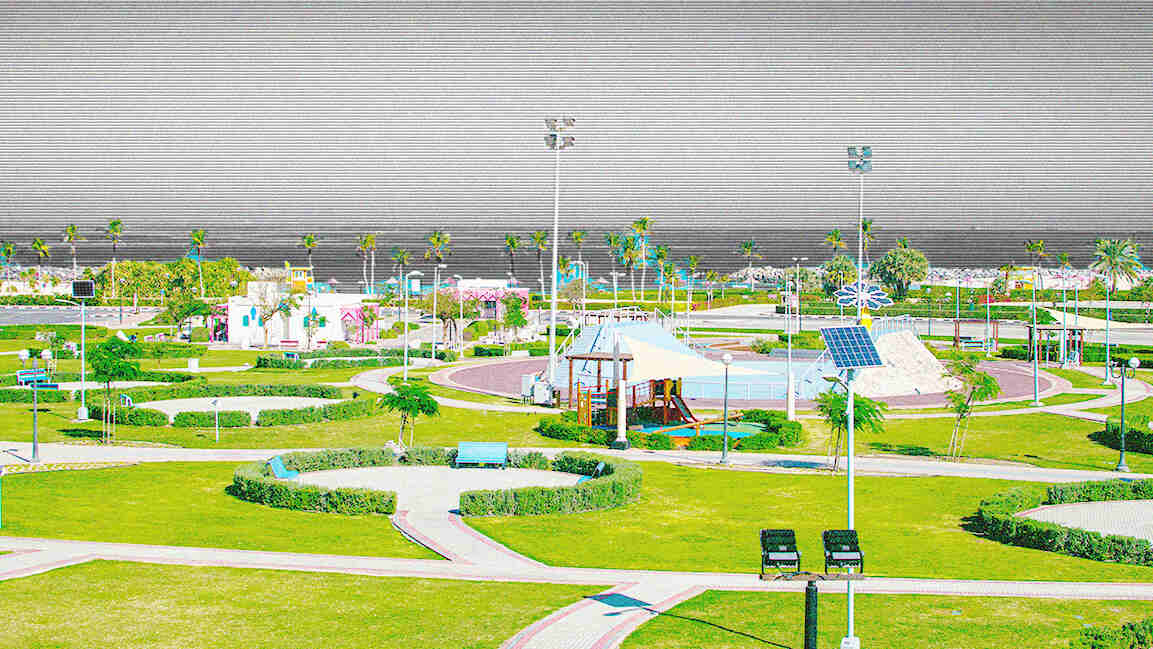
The measures include the creation of more than 150 new parks, 33km of cycling tracks and a digital resilience strategy designed to ensure uninterrupted online services.
The approvals were issued during a meeting of The Executive Council, chaired by Sheikh Hamdan bin Mohammed bin Rashid Al Maktoum, Crown Prince of Dubai, Deputy Prime Minister, Minister of Defence and Chairman of the Council.
The policies align with the Year of the Family initiative announced by President Sheikh Mohamed bin Zayed Al Nahyan and the Dubai Social Agenda 33 launched by Sheikh Mohammed bin Rashid Al Maktoum, Vice President, Prime Minister and Ruler of Dubai. They include a new planning model for residential communities focused on citizen welfare, the Digital Resilience Policy, and the general plan for The Executive Council’s 2026 agenda.
Sheikh Hamdan stated that Dubai remains committed to a people-centered development path, with citizen welfare and family empowerment at its core. The new planning model seeks to create socially connected, service-integrated neighbourhoods built around homes, parks, schools, and community facilities.
The Executive Council approved an urban model for citizens’ residential areas that enhances sustainability, strengthens social cohesion and supports the Dubai Urban Plan 2040. Inspired by the traditional Fareej concept, it promotes interconnected neighborhoods focused on family stability and community belonging.
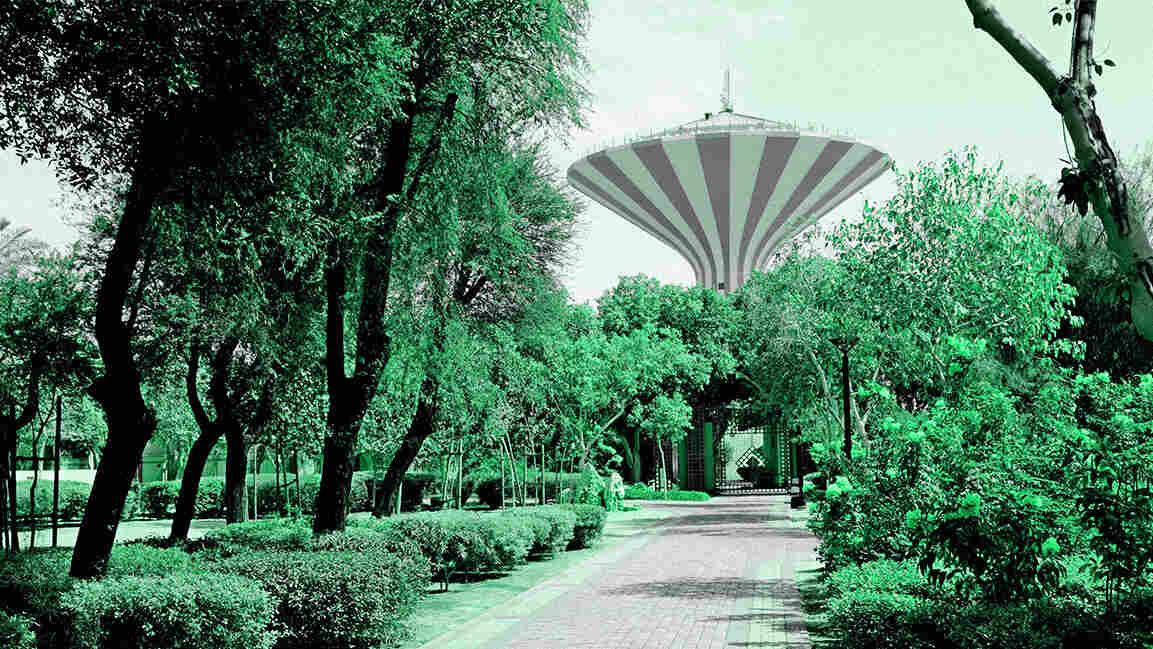
Key features include shaded walkways connecting homes to services, dedicated paths for walking, running, and cycling, and redesigned parks and public spaces that serve as cultural and community hubs.
The plans call for 152 new parks in Madinat Latifa and Al Yalayis, ensuring a maximum 150-metre walking distance to green spaces, as well as 33 km of new cycling paths, central parks and community infrastructure such as majlis spaces and wedding halls.
In Madinat Latifa, the urban model spans 3,000 hectares, accommodating 141,000 residents and comprising 18,500 residential units, as well as 77 parks. Eleven percent of the area is allocated to green spaces, supported by 12 km of interconnected walking and cycling paths and facilities including schools, mosques, childcare centres, clinics and commercial areas.
Al Yalayis will feature a green corridor linking residential clusters with recreational and service facilities. The 1,108-hectare area will accommodate 66,000 residents, 8,000 residential plots and 75 parks.
The Executive Council also approved the Digital Resilience Policy, establishing a framework to strengthen digital governance, protect critical infrastructure, and ensure uninterrupted services. The framework enhances preparedness, response and recovery capabilities and introduces governance and performance measures to track resilience.
The Council also reviewed progress under the 2025 agenda and approved the 2026 plan, which advances Dubai Plan 2033 targets across social development, infrastructure, economic growth, investment, entrepreneurship, security and public services.

Featured Videos
Today's Top Stories:
More Top Stories:




FROM OUR PARTNERS