
- | 1:00 pm
Dubai’s next growth phase takes shape with AED 1 billion stimulus and steady GDP expansion
From SME relief and GDP reforms to worker welfare and digital trade, Dubai is layering policy to future-proof its economic model.



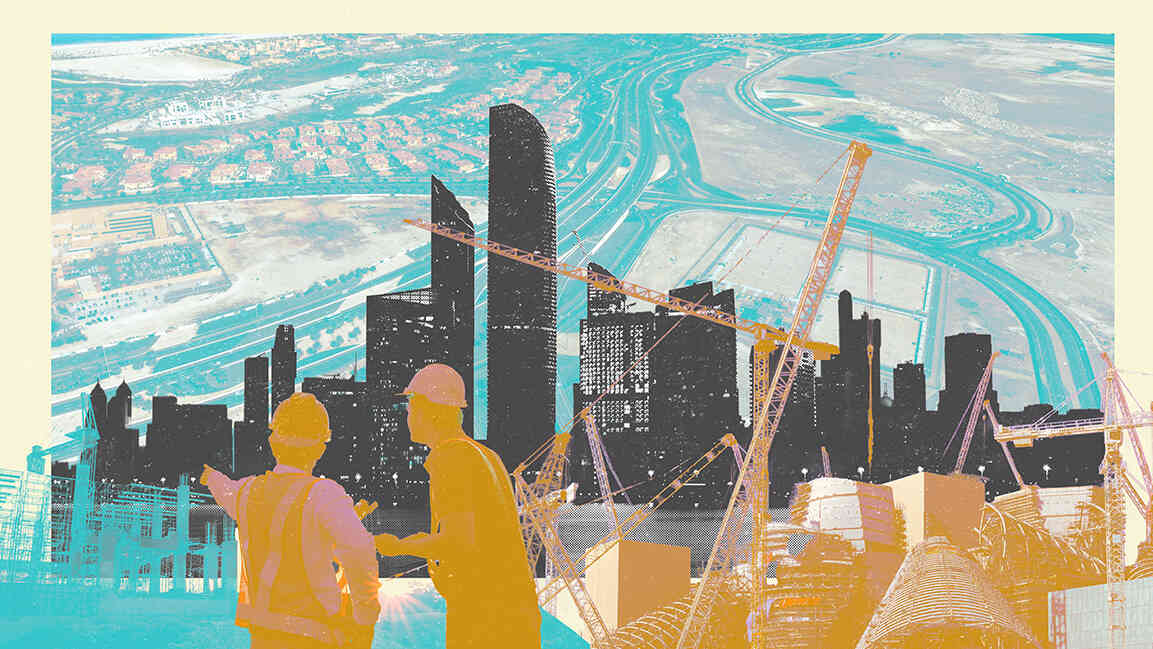
Dubai is rolling out a multi-pronged strategy to strengthen economic resilience, with Hamdan bin Mohammed bin Rashid Al Maktoum approving a suite of initiatives spanning business support, trade facilitation, and workforce welfare.
At the centre of the plan is an AED 1 billion ($272 million) stimulus package aimed at easing financial pressures on businesses and individuals, particularly amid ongoing global economic uncertainty. The incentives, set to roll out over three to six months starting April 2026, include the temporary deferral of government fees, extended customs grace periods, and measures to improve liquidity in key sectors such as tourism and hospitality.
Hotels, for instance, will be allowed to postpone 100% of sales fees and Tourism Dirham payments, while customs payment deadlines will be extended from 30 to 90 days. The package also simplifies residency procedures, reinforcing Dubai’s push to attract and retain global talent.
Beyond immediate relief, the emirate is refining how it measures growth. The Executive Council has approved an updated GDP methodology alongside strong fourth quarter results, with Dubai’s economy expanding by 6.4% in Q4 2025 and 5.4% for the full year, reaching AED 937 billion. The revised framework broadens data coverage and introduces more comprehensive economic tracking to better reflect real activity.
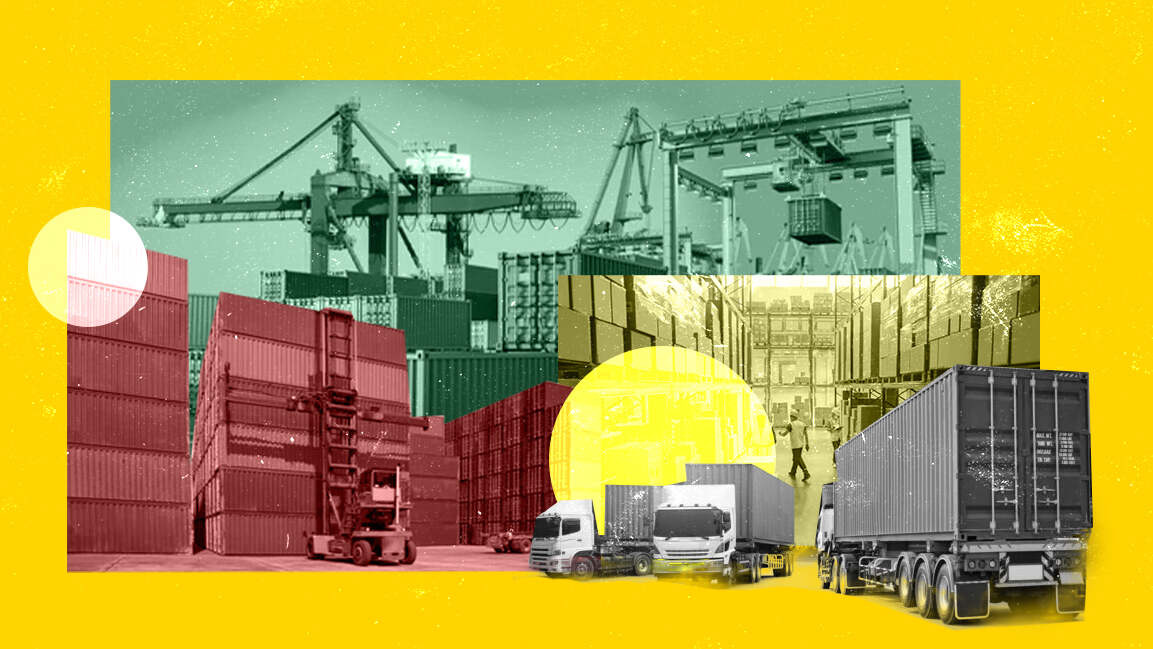
The reforms also extend to trade and logistics. A new Virtual Warehouses Initiative, led by Dubai Customs, will streamline temporary imports, particularly high-value goods such as artwork, by removing duties, easing restrictions, and enabling digital tracking. The move is expected to strengthen Dubai’s appeal as a global hub for trade, logistics, and specialised asset flows.
On the social front, the newly approved Dubai Empowerment Strategy aims to enhance financial stability and expand employment opportunities for Emiratis. Building on existing programmes, it focuses on job creation, entrepreneurship, and cross-sector collaboration to support long-term social cohesion.
Meanwhile, a dedicated Health and Safety Strategy for workers’ accommodation sets ambitious targets for 2033, including universal access to essential services and full compliance with safety standards. The initiative aligns with International Labour Organization frameworks and supports Dubai’s broader urban and social development agenda.
Together, these measures reflect a clear policy direction that combines short-term economic relief with structural reforms to sustain long-term growth. As Dubai continues to compete globally, the focus is shifting toward data-driven governance, talent retention, and inclusive development, key pillars shaping the emirate’s next phase of expansion.

Featured Videos
Today's Top Stories:
More Top Stories:


FROM OUR PARTNERS