- | 11:00 am
Egypt signs $1.8 billion renewable energy agreements with Norwegian and Chinese companies
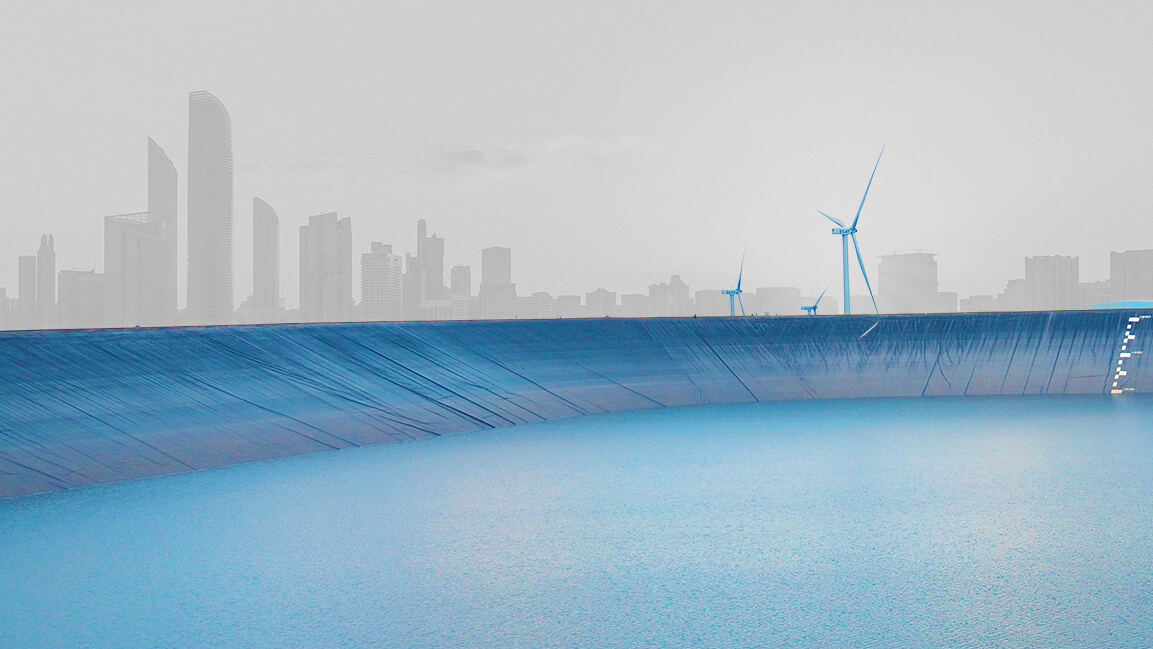
The agreement includes hosting the region’s first battery storage plant, with an annual production capacity of 10 GWh once fully operational.
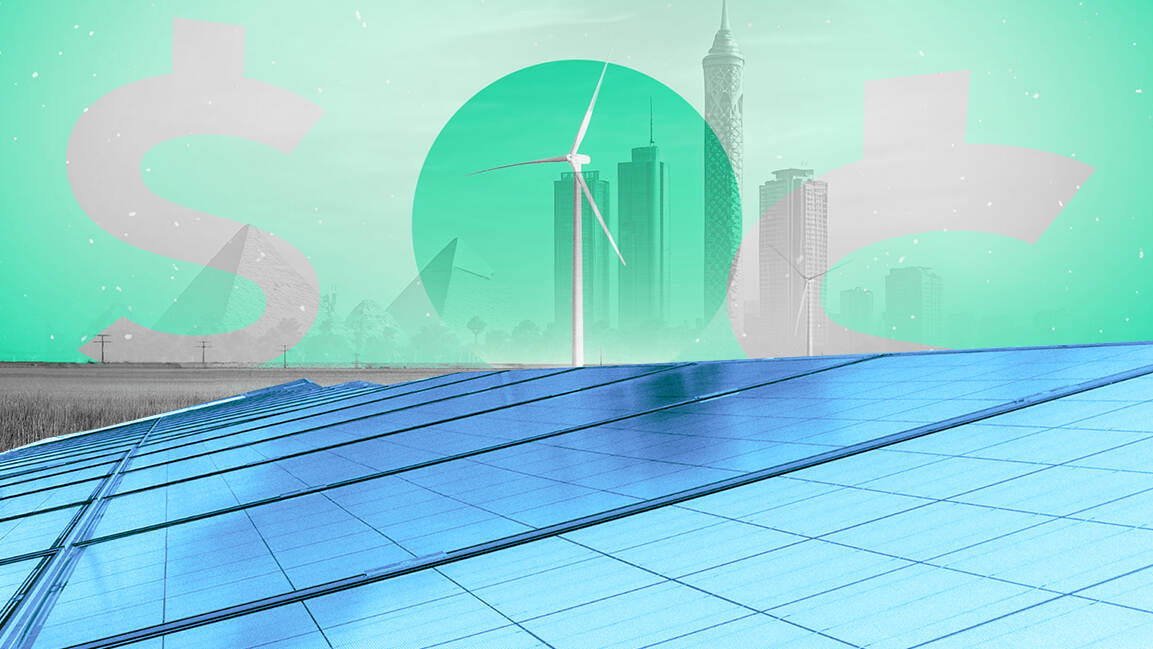


Egypt has signed renewable energy agreements worth a combined $1.8 billion with Norway’s Scatec and China’s Sungrow, according to state media, as the country works to scale up solar power generation and battery storage capacity.
The agreements include the development of a large-scale solar and battery storage project by Scatec, along with plans by Sungrow to establish a battery energy storage manufacturing facility in the Suez Canal Economic Zone.
Scatec will develop the “Energy Valley” project in Minya Governorate, which will comprise a 1.7 gigawatt (GW) solar photovoltaic plant supported by 4 gigawatt-hours (GWh) of battery energy storage systems distributed across Minya, Qena, and Alexandria.
The project also includes the construction of new substations and transmission lines to supply electricity to industrial areas in Upper Egypt. In addition, Scatec has signed a power purchase agreement with the Egyptian Electricity Transmission Company to deliver a total of 1.95 GW of solar power and 3.9 GWh of battery storage capacity.
Separately, Sungrow will establish a battery energy storage system (BESS) manufacturing plant in the TEDA Egypt zone in Ain Sokhna, within the Suez Canal Economic Zone.
Spanning approximately 50,000 square meters, the facility is anticipated to be the first of its kind in the Middle East and Africa, boasting an annual production capacity of 10 GWh upon full operationalization.
Production is scheduled to begin in April 2027, with a portion of the output intended to supply the Energy Valley project.
The projects are being implemented in coordination with the Ministry of Electricity and Renewable Energy and the General Authority for the Suez Canal Economic Zone. They form part of Egypt’s plans to increase the share of renewable energy in its power mix to more than 42 percent by 2030, with longer-term targets of 60 to 65 percent by 2040. Officials have said achieving these targets will depend on sustained international investment.
The expansion of projects in the SCZone reflects broader efforts to improve the investment climate and support private sector-driven growth. Under the government’s economic plans, the private sector’s contribution to GDP is expected to reach 11.9 percent, while foreign direct investment is targeted to rise to 4.4 percent of GDP. The strategy also aims to create 1.5 million jobs, support the green transition, and increase exports to $145 billion.

Featured Videos
Today's Top Stories:
More Top Stories:



FROM OUR PARTNERS