- | 12:00 pm
Gulf cities accelerate autonomous mobility as Riyadh and Dubai expand self-driving services
Riyadh launches new self-driving route as Dubai begins commercial robotaxi operations
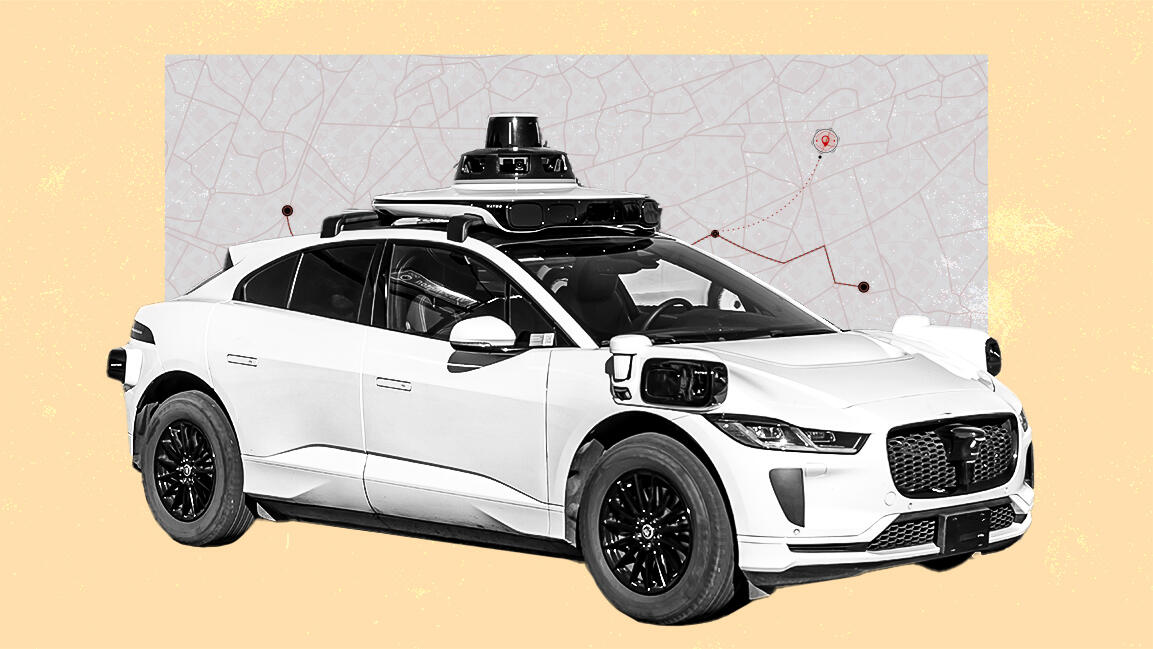


Autonomous mobility is gaining traction across the Gulf, as governments accelerate the rollout of self-driving transport services in line with broader smart city and sustainability agendas.
In Riyadh, the Transport General Authority has launched a new route for self-driving passenger vehicles linking Hayat Mall and Riyadh Gallery. The service operates daily under regulatory and technical oversight and forms part of wider plans to expand autonomous transport across multiple locations in the Kingdom.
The authority said the vehicles are equipped with advanced sensing and safety systems, including cameras and intelligent software that monitor road conditions and adapt to traffic in real time.
The initiative builds on earlier pilot phases, during which the vehicles completed more than 1,700 trips, transported over 3,000 passengers, and covered more than 30,000 kilometres, demonstrating readiness for broader deployment.
The rollout aligns with Saudi Arabia’s national transport and logistics strategy and its Vision 2030 goals to develop a smart and sustainable mobility ecosystem.
A similar push is underway in Dubai, where the Roads and Transport Authority has begun commercial operations of autonomous taxis in the Umm Suqeim and Jumeirah areas. The initiative is being implemented in partnership with WeRide and Apollo Go, marking a transition from pilot testing to full-scale public service.
Autonomous vehicles are available through platforms such as Uber and Apollo Go’s dedicated app, with fleet operations supported by local partners. The initial rollout includes around 100 self-driving taxis, with plans for gradual expansion in response to demand.
The move reinforces Dubai’s ambitions under its Dubai Self-Driving Transport Strategy to position the city as a global hub for autonomous mobility. Supported by advanced infrastructure and regulatory frameworks, the initiative reflects a broader regional trend toward integrating self-driving technologies into everyday urban transport systems.

Featured Videos
Today's Top Stories:
More Top Stories:



FROM OUR PARTNERS