
- | 12:00 pm
IMF, IEA and World Bank move to contain fallout from deepening energy crisis
The organizations said the group will monitor developments, align analysis, and support policymakers through a coordinated response.
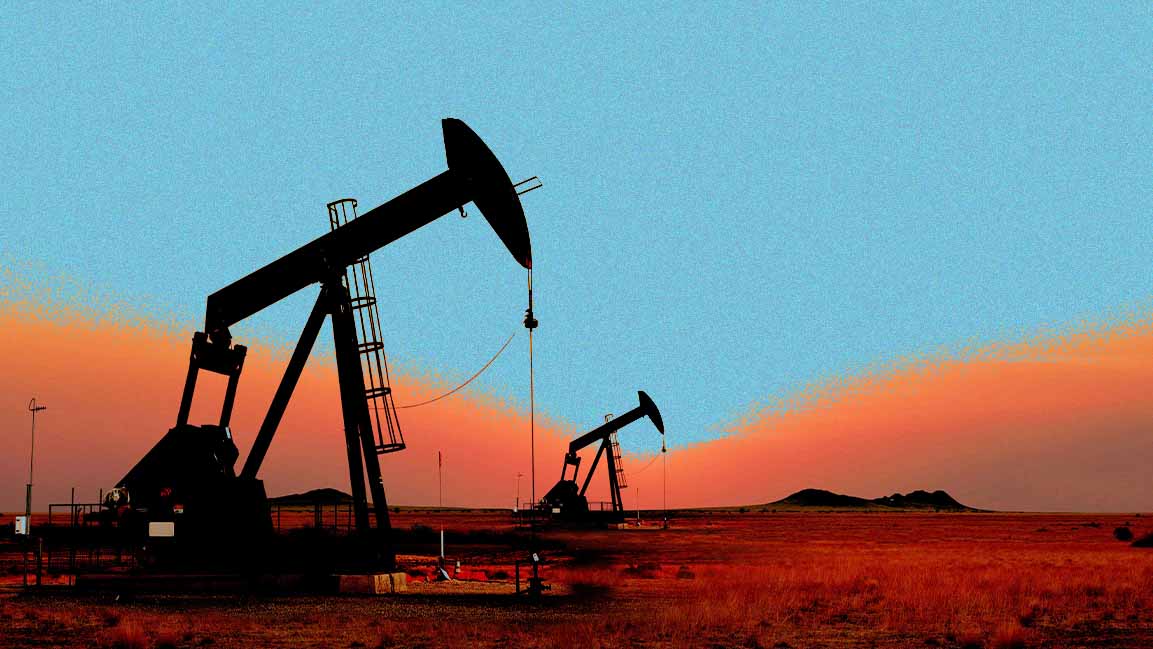


A joint coordination group has been established by the International Monetary Fund, International Energy Agency, and World Bank Group to respond to the escalating economic and energy fallout from the Middle East conflict.
In a joint statement, the institutions said the war, now in its second month, has spread across the region, disrupting energy supplies and triggering what they described as one of the largest supply shortages in the history of global energy markets. The crisis is raising concerns about wider spillover effects, particularly as markets remain sensitive to supply shocks.
The organizations said the coordination group will monitor developments, align economic and energy analysis, and support policymakers through a coordinated response framework. This will include assessing the severity of impacts across countries and mobilizing financial and technical support where needed.
Proposed measures could include targeted policy advice, assessments of financing needs, and the provision of financial support, including concessional or zero-interest financing, as well as risk mitigation tools.
The institutions warned that the impact is “substantial, global and highly asymmetric,” with energy-importing and low-income countries most exposed. Rising oil, gas, and fertilizer prices are already contributing to broader concerns over food costs, while supply chains for commodities such as helium, phosphate, and aluminum have been disrupted. Tourism flows have also been affected.
They added that increased market volatility, weakening currencies in emerging markets, and rising inflation expectations could lead to tighter monetary policy and slower global growth.
“At a time of heightened uncertainty, coordinated action is essential,” the statement said, adding that the initiative aims to safeguard global financial stability, strengthen energy security, and support affected economies through recovery, reform, and job creation efforts.

Featured Videos
Today's Top Stories:
More Top Stories:


FROM OUR PARTNERS