• | 2:00 pm

Islamic philanthropy raised $39 million in 2025, supporting more than one million people across 25 countries

Through the Refugee Zakat Fund, strategic partnerships and targeted campaigns, the agency raised $39 million, reaching more than one million people across 25 countries.

Islamic philanthropy raised $39 million in 2025, supporting more than one million people across 25 countries
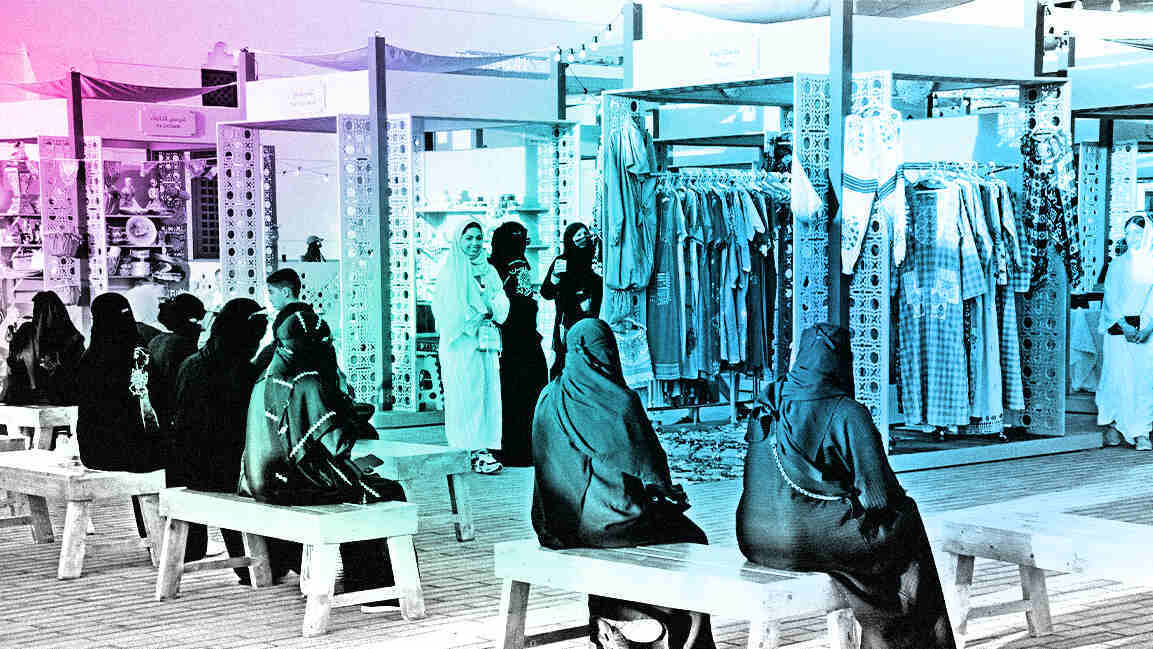
[Source photo: Krishna Prasad/Fast Company Middle East]

As global displacement reaches record highs and humanitarian agencies grapple with shrinking budgets, faith-based giving is emerging as a vital financial lifeline. Against a backdrop of deep funding cuts and rising needs across the Middle East, Africa, and South Asia, Islamic philanthropy is playing an increasingly strategic role in sustaining frontline aid.

That shift is at the heart of the 8th Islamic Philanthropy Annual Report released by UNHCR, which underscores how Zakat and Sadaqah contributions are helping stabilise support for refugees and internally displaced communities amid mounting fiscal strain.

In 2025, 45 major donors and Islamic institutions, alongside tens of thousands of online supporters, entrusted UNHCR to channel their charitable contributions. Through the Refugee Zakat Fund, strategic partnerships, and targeted campaigns, the agency raised $39 million, reaching more than one million people across 25 countries.

Nearly 60 percent of all Zakat and Sadaqah contributions came from donors in the MENA region, with the UAE, Qatar, and Saudi Arabia leading the way. The report precedes UNHCR’s Ramadan campaign, which calls for renewed support to counter severe global funding reductions that have already forced the suspension of medical care, child protection, education, and shelter programs in countries including Egypt, Afghanistan, Lebanon, and Bangladesh.

Zakat contributions alone exceeded $23 million in 2025, assisting more than 579,000 refugees and internally displaced people across 17 countries. Sadaqah giving reached nearly $16 million, supporting over 453,000 people in 18 countries.

Dr Khaled Khalifa, Senior Advisor to the High Commissioner for Refugees for Islamic Philanthropy and Regional Representative to the Gulf Cooperation Council countries at UNHCR, said, “Amidst a year of unprecedented budget cuts, the humanitarian lifeline has been left fraying with millions of displaced families hanging on by a thread. These cuts are not abstract figures – they are felt by the lives of real people who, after being forced to flee their homes, are being pushed to the edge of survival every day.”

He added, “This year’s report shows how Islamic philanthropy, rooted in faith and compassion, is helping UNHCR to positively impact people’s lives with practical and long-term support. In times of crisis, Zakat and Sadaqah offer a powerful force for change that is essential to help refugees and internally displaced families stay afloat and rebuild their lives with dignity.”

Geographically, funding expanded to Brazil, Colombia, the Central African Republic, and Botswana, while Sadaqah Jariyah projects in Bangladesh provided clean water access to 280,000 people.

Partners, including Mohammed Bin Rashid Al Maktoum Global Initiatives, the Muslim World League, and Sharjah-based developer Arada, contributed to housing, water infrastructure, and cash assistance programs.

Since 2017, the Refugee Zakat Fund has raised more than $300 million from over 70,000 donors, supporting nearly 10 million beneficiaries, cementing Islamic philanthropy as a core pillar of UNHCR’s private sector funding strategy.

More Top Stories:

FROM OUR PARTNERS