
- | 1:00 pm
Visa reports 80% of payments in Saudi Arabia are now digital
Visa’s report shows digital payments in Saudi Arabia up 4% from last year, with mobile transactions rising to 16% as the Kingdom advances its Vision 2030 goals.
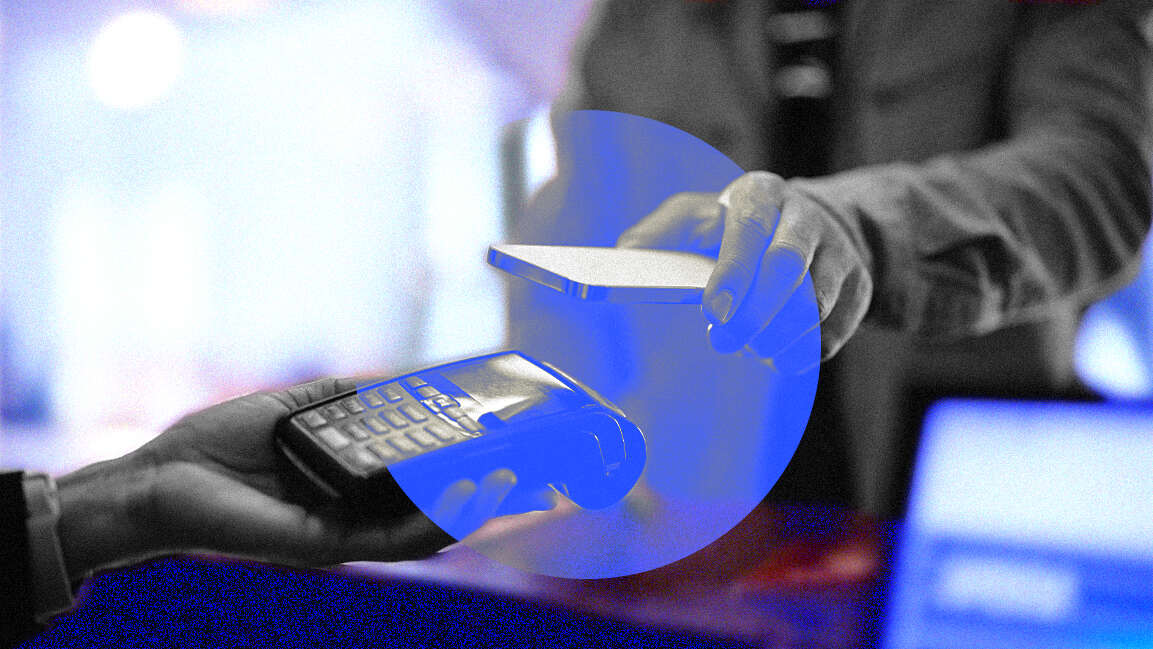


Cash continues to lose ground in Saudi Arabia, with eight in ten payments (80%) now made digitally, according to Visa’s latest Where Cash Hides report. The findings show that 67% of consumers in the Kingdom are now largely non-cash users, making most of their payments via cards or mobile devices. This marks a 4% increase from last year, underscoring the country’s accelerating shift toward digital transactions.
Mobile payments are also gaining momentum, accounting for 16% of all transactions in the Kingdom. The report highlights a decline in cash usage across everyday spending categories, including eating out (down 9%) and bill payments (down 8%), as consumers increasingly opt for faster and more secure digital payment options.
Despite this progress, cash still plays a role in certain use cases. Around 39% of consumers still use cash for tips, 28% for peer-to-peer payments, and 14% for rent, indicating that some traditional payment habits persist even as digital adoption expands.
“The data shows a steady move toward digital payments in Saudi Arabia. Such progress is possible only because banks, fintechs, merchants, and technology partners are moving together in the same direction, in line with the Kingdom’s Vision 2030,” said Ali Bailoun, Visa’s Senior Vice President and Group Country Manager for Saudi Arabia, Bahrain, and Oman.
“As more people try mobile and card payments in their daily lives, and their expectations evolve, too. Consumers want payment options that are quick, convenient, and safe. When digital solutions meet these expectations, they naturally become the preferred choice,” he added.
According to Visa, Saudi consumers’ growing preference for digital payments is driven by security, convenience, and transparency. Card and mobile transactions reduce the risks associated with carrying physical cash, simplify online and in-store purchases, and provide instant transaction records that support better budgeting.
Mobile payments also offer an additional layer of protection through tokenization, which replaces sensitive card details with unique digital identifiers, ensuring that card numbers are never shared during transactions.
The report adds that credit card rewards, cashback programmes, and travel benefits are further encouraging consumers to choose digital payments, both within the Kingdom and when travelling abroad.