
- | 4:00 pm
How Dubai’s $55 billion infrastructure push could change where people buy property
Major airport, metro, road and rail projects are expected to reshape Dubai’s real estate market, improving connectivity and opening up new opportunities for investors in emerging districts
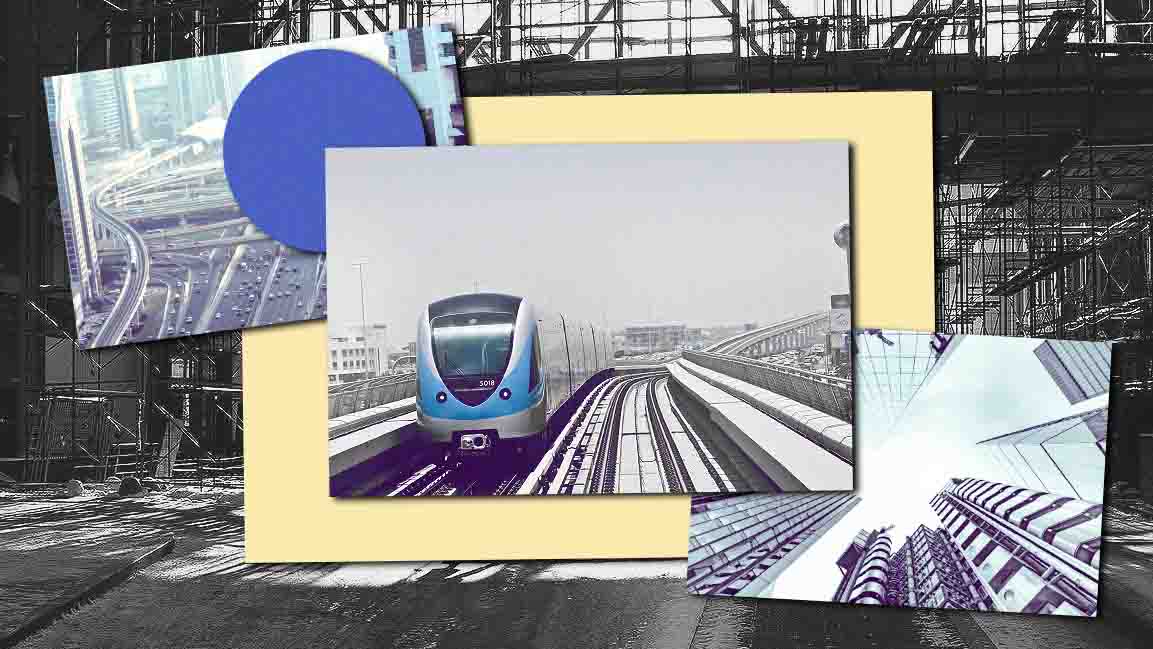


Major infrastructure projects in Dubai could drive property demand and boost real estate values by up to 25% in emerging districts, according to a new report by W Capital Real Estate Brokerage.
The study identified four major infrastructure projects expected to influence Dubai’s property market, including the $34.9 billion expansion of Al Maktoum International Airport, the $5.6 billion Dubai Metro Blue Line, the Fourth Federal Corridor and Etihad Rail. Together, the projects represent approximately $55 billion in announced investment, based on estimates that include the first phase of the Fourth Federal Corridor and the wider UAE Railway Programme.
Property and land values near Dubai Metro Blue Line stations could rise by as much as 25%, according to projections by Dubai’s Roads and Transport Authority (RTA), as improved transport links make surrounding residential and commercial districts more accessible.
The 30-kilometre Blue Line, which is being developed at a cost of $5.6 billion, will include 14 stations connecting areas such as Dubai Creek Harbour, Dubai Silicon Oasis, International City, Mirdif and Al Warqa.
The line is expected to serve communities with a combined population of more than one million people, with daily ridership projected to reach 200,000 by 2030 and 320,000 by 2040. The RTA estimates the project will generate more than $15.4 billion in economic, social and environmental benefits by 2040.
Data from property consultancy CBRE shows that residential properties within a 15-minute walk of Dubai Metro Red Line stations have historically recorded average price growth of 26.7% between 2010 and 2022, compared with 24.1% across Dubai’s wider residential market.
The report noted improved public transport access could support property values, although future gains would also depend on housing supply, demand and the quality of surrounding developments.
Meanwhile, Dubai’s $34.9 billion expansion of Al Maktoum International Airport is expected to drive property demand in Dubai South and surrounding areas.
The airport, designed to handle up to 260 million passengers annually, will feature five parallel runways and 400 aircraft gates, supporting the emirate’s plans to expand its aviation and logistics industries.
The development could create new employment opportunities and increase demand for residential, commercial and mixed-use properties as businesses and workers move closer to the airport and surrounding logistics facilities.
The Fourth Federal Corridor, a new highway corridor connecting Sharjah and Abu Dhabi, as well as the Etihad Rail, are also expected to improve connectivity across the UAE, potentially making previously less accessible districts more attractive to developers and investors.
The study suggests that transport accessibility will become an increasingly important factor in shaping Dubai’s property market as new infrastructure opens up areas beyond the emirate’s established residential and commercial centers.