- | 11:00 am
Etihad Rail’s maglev trial and the case for lower-emission rail transport
By removing physical contact between wheels and tracks, the system eliminates friction—one of rail transport’s biggest energy drains.
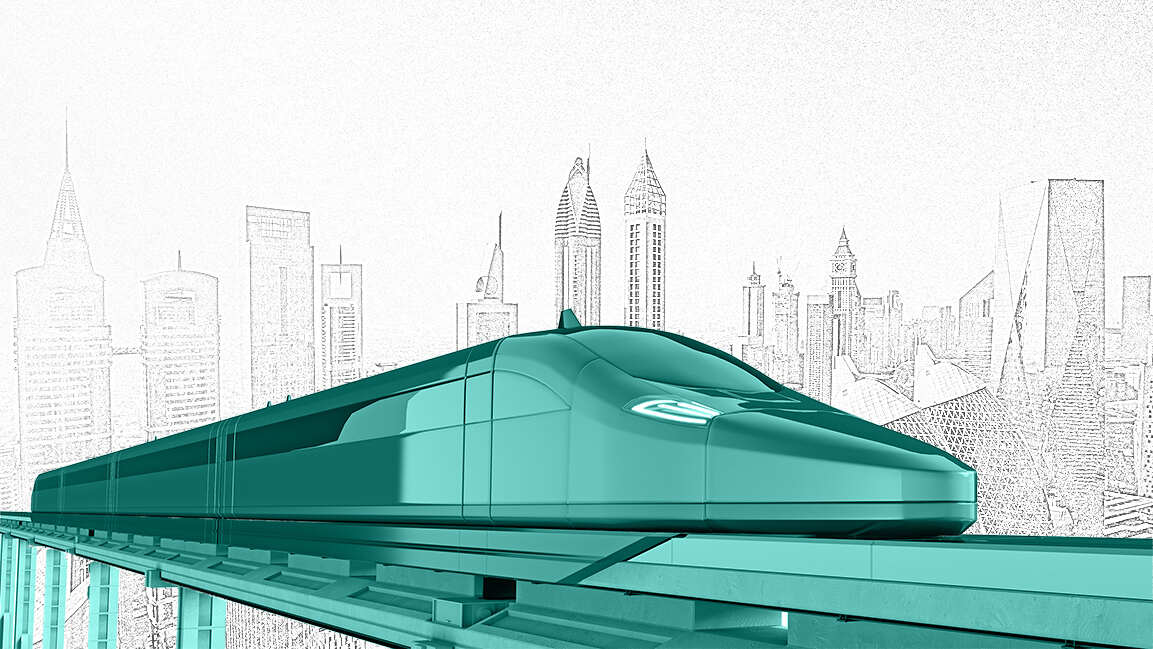


Etihad Rail, the developer and operator of the UAE National Railway Network, is testing what could be the next leap in sustainable rail transport. The company has partnered with the Italian high-tech firm IronLev to run the Middle East’s first magnetic levitation (maglev) trial, offering a glimpse of a lower-emission, high-efficiency future for freight and passenger mobility.
The pilot, conducted at Etihad Rail’s Al Faya Depot, demonstrated the technology’s heavy-duty potential. During the trial, a levitating platform successfully transported a seven-tonne container across a 1.2-kilometre stretch.
“This isn’t just a fancy science experiment; it’s a bold vision for how we’ll move goods and people across the UAE with virtually zero friction, marking a regional first as the country explores next-generation, low-emission transport systems,” said senior Etihad Rail officials.
The efficiency gains could be significant. By removing physical contact between wheels and tracks, the system eliminates friction, one of rail transport’s biggest energy drains. Early results indicate energy consumption could be reduced by as much as 29% compared to conventional rail systems, officials added.
What sets this trial apart is the technology behind it. Unlike conventional maglev systems that depend on specialised, energy-intensive infrastructure, IronLev’s solution uses passive ferromagnetic levitation. Permanent magnets lift the vehicle above standard steel rails, removing the need for continuous electrical power simply to maintain levitation.
The result, according to officials, is a best-of-both-worlds approach that combines the smooth, high-speed advantages of maglev technology with the UAE’s existing rail infrastructure.
As Etihad Rail prepares for the launch of its full passenger network in 2026, sustainability remains central to its strategy.
“By reducing wear and tear on the tracks and slashing carbon emissions, this maglev integration aligns perfectly with the UAE’s Net Zero goals. We are looking at a future where travelling at speeds of up to 200km/h feels like gliding through the air because, technically, you are,” they added.