
- | 3:00 pm
Dubai CommerCity signs deal to accelerate agentic AI adoption in digital commerce
The partnership will explore AI-powered automation, cross-border commerce, and innovation to help businesses expand into international markets.



Dubai CommerCity has signed a Memorandum of Understanding (MoU) with the Global Commerce Foundation to accelerate the adoption of agentic artificial intelligence (AI) in digital commerce and strengthen international trade cooperation.
The agreement aims to explore AI-powered solutions that can automate business processes, improve operational efficiency, and support companies seeking to expand into new markets, according to the Emirates News Agency.
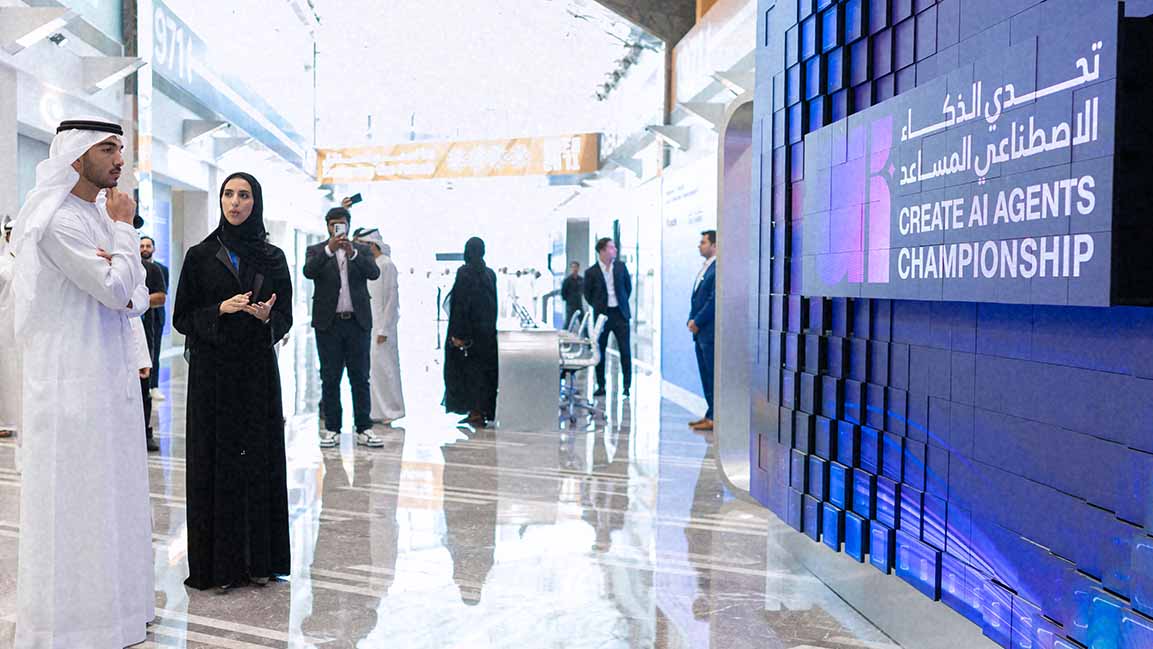
Signed at Dubai CommerCity’s headquarters on the sidelines of Ai Everything Abu Dhabi 2026, the partnership will focus on digital and cross-border commerce, emerging technologies, and collaborative business models.
The collaboration will also explore practical applications of agentic AI, enabling businesses to execute tasks and processes with greater autonomy while improving productivity and market accessibility.
Amna Lootah, Director General of Dubai CommerCity, described agentic AI as a significant shift in how businesses operate, moving beyond AI-assisted processes towards more autonomous systems.
The partnership, she added, supports Dubai’s ambition to strengthen its position as a global trade and digital economy hub by encouraging the private sector to adopt advanced technologies and develop more competitive business models.
Marcos Pueyrredon, President of the Global Commerce Foundation, highlighted the importance of international collaboration in addressing challenges related to technology adoption and business expansion.
He said the agreement would connect Dubai’s digital commerce ecosystem with international networks, including the eCommerce Institute in Latin America and the Caribbean and the European Institute for Commerce Management (EICOM)
As part of the collaboration, Dubai will host the Global Finale of the Tetrix Agentic World League in 2027 during Dubai AI Week, bringing together innovators, businesses, and institutions from international markets to exchange knowledge and explore emerging technologies.
The agreement also covers applied research, technology demonstrations, market studies, and proof-of-concept projects. Additional areas of cooperation include executive education, professional training, mentorship, talent development, incubation programmes, and business accelerators.
These initiatives aim to support innovation in digital commerce while strengthening Dubai’s connections with international business ecosystems.