Renewable energy capacity across the Middle East and North Africa (MENA) grew by an estimated 44% year-on-year in 2025, highlighting a rapid acceleration in the region’s transition toward low-carbon and more resilient energy systems, according to Oman Daily Observer.
The surge, driven largely by utility-scale solar deployments, marks a broader structural shift in energy markets historically dominated by hydrocarbons. Governments across MENA are scaling up renewable energy programs as part of long-term strategies to diversify their economies, reduce emissions, and enhance energy security.
Solar power continues to lead the expansion. Supported by high solar irradiation levels and a sharp decline in technology costs over the past decade, it has become one of the most cost-competitive sources of new electricity generation in the region. Large-scale projects are increasingly being deployed at record-low tariffs, reinforcing solar’s dominance in new capacity additions.
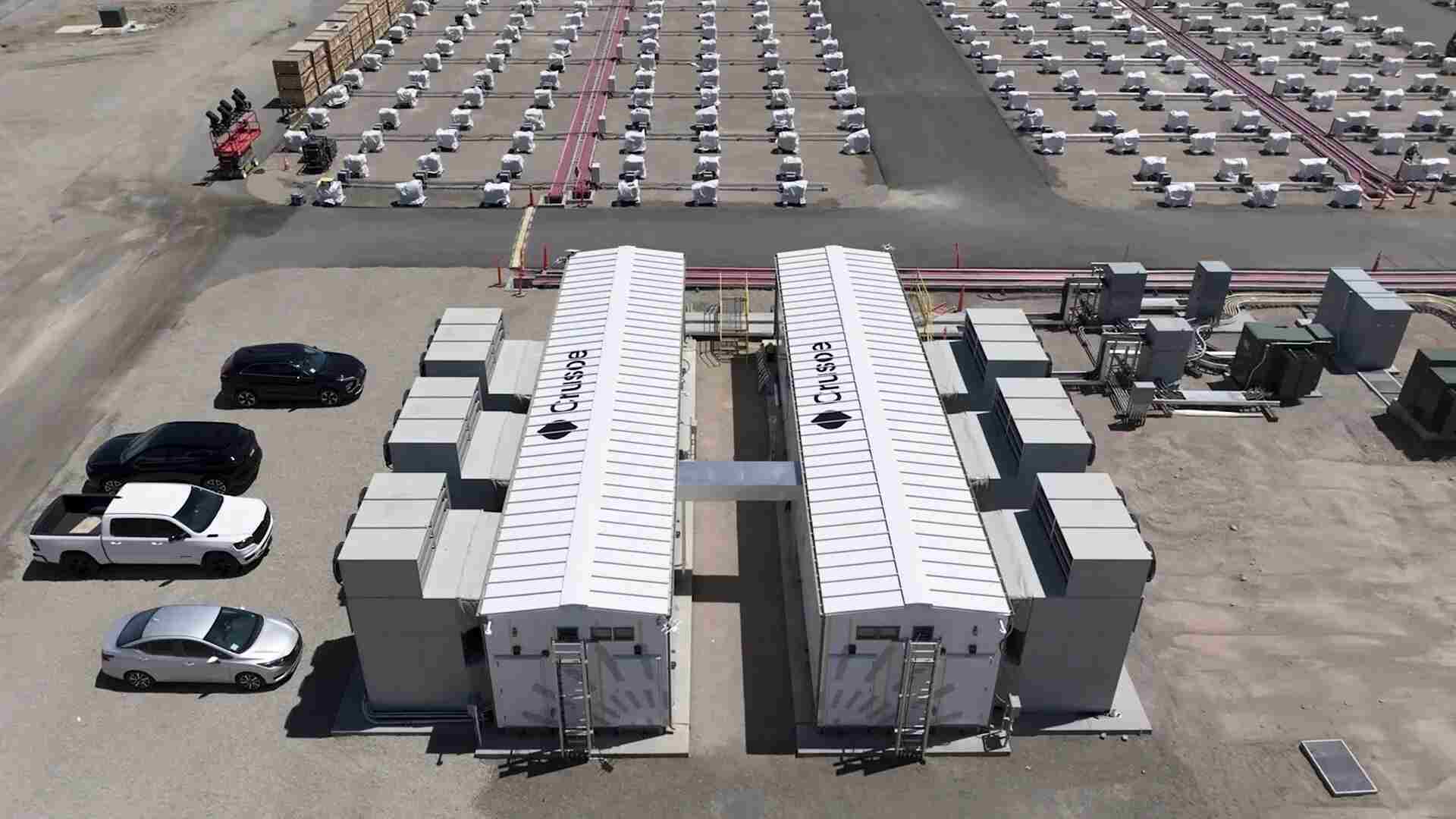
Wind energy is also gaining momentum, particularly in regions with strong and consistent wind resources. At the same time, hybrid energy systems combining solar, wind, and battery storage are beginning to reshape how electricity is generated and managed. The integration of storage technologies is proving critical in addressing intermittency challenges, improving grid stability, and enabling higher shares of renewables in national energy mixes.
Regional growth aligns with global trends, as renewable energy continues to capture an increasing share of global electricity generation. Solar is expected to dominate new capacity additions in the coming decade, as major economies continue to accelerate deployment at scale.
Beyond power generation, MENA is positioning itself as a key player in the emerging green hydrogen economy. Leveraging abundant renewable resources, countries across the region are investing in large-scale projects to produce green hydrogen and its derivatives, such as ammonia, primarily for export. These fuels are expected to play a crucial role in decarbonizing hard-to-abate sectors, including heavy industry, shipping, and aviation.
This shift is also unlocking new industrial opportunities, linking renewable energy development with downstream sectors such as manufacturing, logistics, and export infrastructure. Growing global demand for low-carbon fuels is attracting international partnerships and long-term investment into the region’s hydrogen value chain.
At the same time, energy security is becoming a central driver of policy. Recent disruptions in global oil and gas supply chains have highlighted the risks of fossil fuel dependence, prompting governments to accelerate investment in domestic renewable capacity. Increasingly, renewables are being viewed not just as a climate solution but as a strategic asset that enhances economic resilience.
Despite strong momentum, challenges remain. Grid infrastructure limitations, including transmission capacity constraints, continue to pose bottlenecks in several markets. Financing mechanisms and regulatory frameworks are also evolving as projects scale in size and complexity, while land use and community engagement are emerging as key considerations for long-term sustainability.
In Oman, renewable energy expansion aligns closely with the objectives of Vision 2040, which prioritize sustainability, diversification, and private-sector growth. The country has made progress through major solar and wind projects while advancing plans to build a globally competitive green hydrogen sector.
With strong solar resources and a strategic export position, Oman is increasingly seen as a potential leader in the next phase of the energy transition. Continued investment in infrastructure, policy development, and international collaboration will be key to unlocking this potential.
As renewable capacity continues to rise across MENA, the 44% growth recorded in 2025 reflects not only the pace of change but also a deeper transformation in how energy is produced, distributed, and consumed, pointing to a future defined by diversification, innovation, and integration into global clean energy markets.
Featured Videos
Fast Company's Most Creative People in Business list comes to the Middle East