- | 1:00 pm
Saudi Arabia and Qatar to develop 785 km high-speed electric rail between Riyadh and Doha
The Saudi-Qatar high-speed rail project is set to generate SAR 115 billion in economic impact, create over 30,000 jobs, and strengthen regional connectivity through a 785 km electric rail linking Riyadh and Doha.
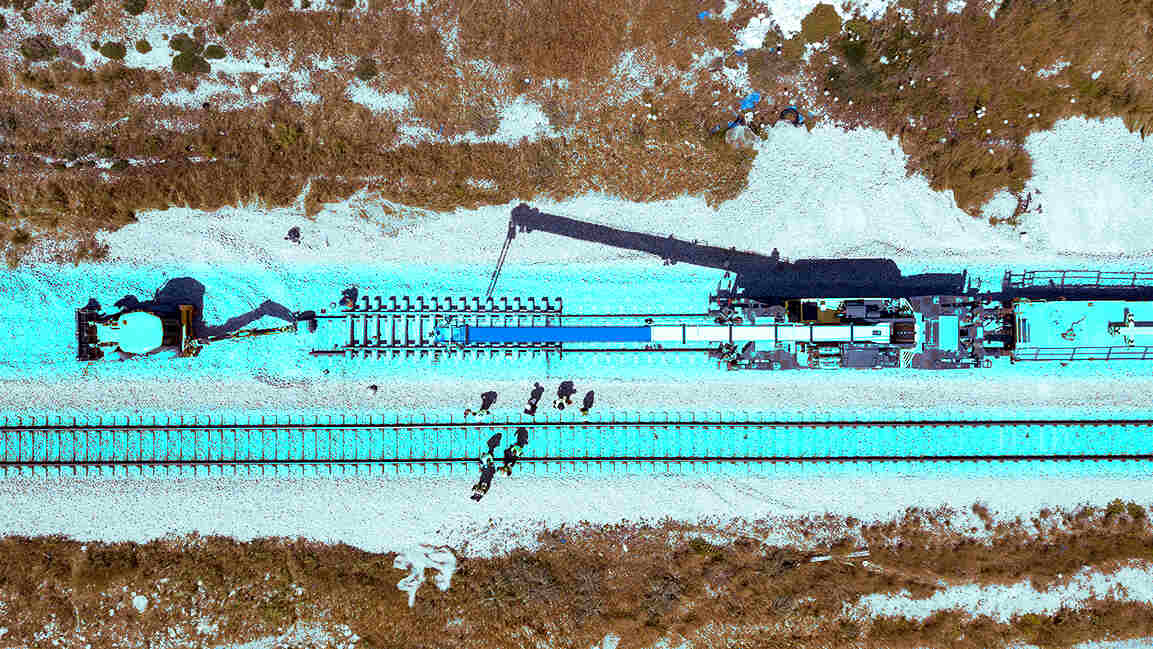


Saudi Arabia and Qatar have moved forward with a landmark agreement to build a high-speed electric rail line connecting the two countries, signalling a new phase in bilateral cooperation.
The signing was witnessed by Prince Mohammed bin Salman bin Abdulaziz Al Saud, Crown Prince and Prime Minister of Saudi Arabia, and Sheikh Tamim bin Hamad Al Thani, Emir of Qatar. The agreement was signed by the Saudi Minister of Transport and Logistics Services, Eng. Saleh Al-Jasser, and Qatar’s Minister of Transport, H.E. Sheikh Mohammed bin Abdullah Al Thani, under the framework of the Saudi-Qatari Coordination Council.
The 785-kilometre rail line will link Riyadh and Doha, with major stations in Al-Ahsa and Dammam, and direct connections to King Salman International Airport and Hamad International Airport. The project is positioned as a strategic step to strengthen regional connectivity, accelerate sustainable development and deepen economic integration between the two Gulf states.
Trains are designed to exceed 300 km/h, reducing travel time between Riyadh and Doha to around two hours. The line is expected to serve more than 10 million passengers annually and create over 30,000 direct and indirect jobs, supporting trade, tourism and broader economic activity.
Once operational, the project is expected to generate an economic impact of approximately SAR 115 billion (equivalent to $30.6 billion) on the combined GDP of both countries. It also advances the GCC’s ambition for an integrated regional rail network.
Construction is expected to be completed within six years, with the project built to international safety and quality standards using advanced rail technologies. It is expected to reduce carbon emissions and support the region’s transition to more efficient and sustainable transportation.

Featured Videos
Today's Top Stories:
More Top Stories:



FROM OUR PARTNERS