
- | 1:00 pm
UAE and UK to deepen green hydrogen collaboration at World Future Energy Summit
Industry leaders from both nations are set to explore how the UAE’s renewable expertise can accelerate the UK’s decarbonization goals and scale its hydrogen economy.
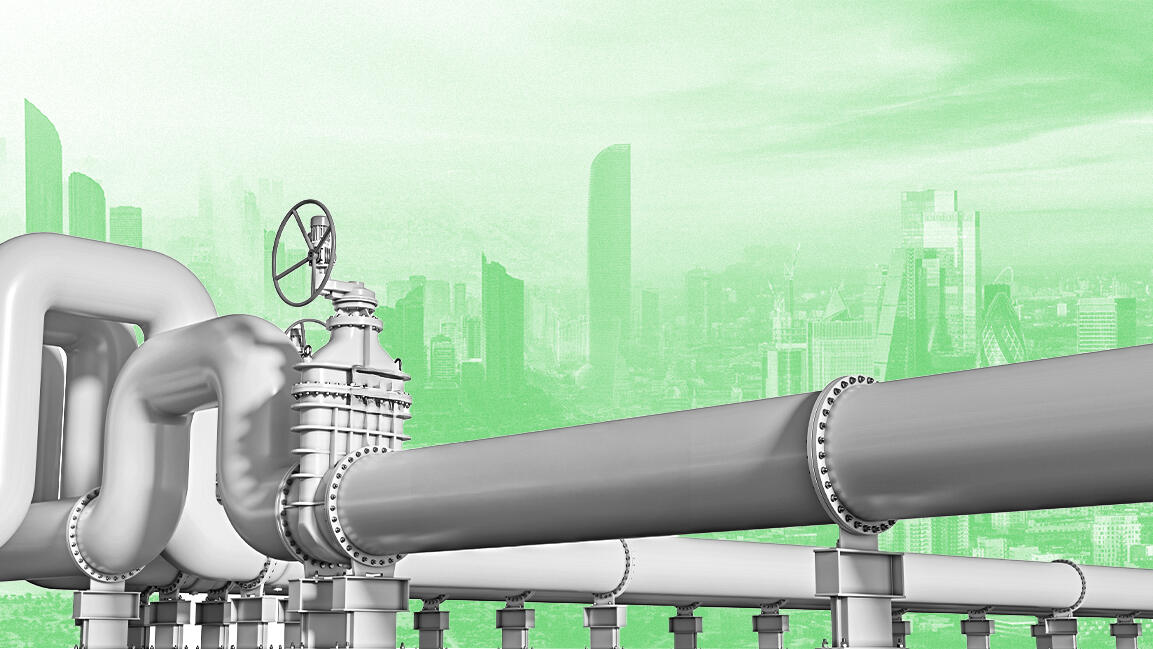


The World Future Energy Summit, taking place from January 13 to 15 at the ADNEC Centre Abu Dhabi, will spotlight the growing role of green hydrogen in industrial decarbonisation.
Held under the umbrella of Abu Dhabi Sustainability Week and hosted by Masdar, the summit will bring together policymakers, investors, and energy leaders from the UAE and the UK to explore joint opportunities in clean hydrogen development. The discussions come as the UK pushes ahead with plans to expand low-carbon hydrogen production to 10GW by 2030, setting the stage for deeper bilateral collaboration.
The UAE’s expertise in renewable energy and large-scale Carbon Capture, Utilization, and Storage (CCUS) projects is expected to be a key focus, particularly in how it can help the UK scale its hydrogen sector and attract cross-border investment.
Industry analysts note that after a period of intense optimism, the global hydrogen market has entered a more realistic phase, marked by an emphasis on scalable projects and disciplined investment. The UK, in particular, has moved from ambition to action. “I am convinced hydrogen must be at the heart of our plans to grow the economy and to become net zero by 2050,” said Sarah Jones, the UK’s Minister of State for Industry. “Already, Government and industry are delivering real projects to kickstart the UK hydrogen economy.”
The UAE is well-positioned to support this momentum. Dr. Carole Nakhle, CEO of Crystol Energy and Secretary General of the Arab Energy Club, who will speak at the summit, said hydrogen represents the natural evolution of the long-standing UK-UAE partnership. “After the initial surge of enthusiasm, the hydrogen market has entered a more sober and disciplined phase, where scale, capital strength, technical expertise, and genuine long-term commitment will determine who succeeds,” she said. She added that a clear and stable regulatory framework in the UK will be essential to give international partners such as the UAE the confidence to commit long-term capital.
A previous roundtable hosted by the summit last year brought together leading figures from both countries’ clean energy sectors, industry groups, and financial institutions. Participants agreed that conditions for deeper collaboration on green hydrogen are stronger than ever, highlighting the need for joint investment mechanisms, clearer regulatory signals, and greater support for emerging technologies that can progress beyond pilot phases. They also discussed how UAE expertise could help establish low-carbon hydrogen hubs in the UK, where renewable-powered production can integrate directly with industrial decarbonisation efforts.
Frank Wouters, Chairman of the MENA Hydrogen Alliance, said in the World Future Energy Summit’s Future Energy Insights podcast that the coming years will be pivotal for the UAE and the wider Gulf region to build on early progress. “GCC economies are investing heavily into this approach, and now the Gulf’s ability to produce scalable, low-cost green hydrogen makes it the ideal time to forge closer links with regions looking to offtake, such as Europe and Southeast Asia,” he said.
Meeting the UK’s hydrogen targets will require sustained public and private investment. The government estimates that an additional $12.1 billion in private investment is needed to meet its 2030 goals, alongside a $674.6 million public fund announced in June 2025 to develop hydrogen infrastructure.
For the UAE, this represents a strategic opportunity to reinforce its role as a global clean energy partner. Domestically, the country is advancing projects such as the Ta’ziz Industrial Hub and a gigawatt-scale hydrogen hub in the Khalifa Economic Zones Abu Dhabi (KEZAD), representing a combined $7 billion investment. Internationally, UAE investors have expanded their reach, committing $24.96 billion to a major green hydrogen and ammonia project in Dakhla, Morocco, with an annual production capacity of one million tonnes.
As the global energy transition accelerates, the World Future Energy Summit could mark a defining moment for UAE-UK collaboration, turning shared ambitions into scalable partnerships that shape the future of the green hydrogen economy.

Featured Videos
Today's Top Stories:
More Top Stories:




FROM OUR PARTNERS