• | 2:00 pm

UAE launches its first domestically developed hybrid rocket and takes a step toward sovereign space capability

Technology Innovation Institute’s fully homegrown propulsion system reaches flight, advancing the country’s ambition to develop sovereign, end-to-end space launch capabilities.
UAE launches its first domestically developed hybrid rocket and takes a step toward sovereign space capability
[Source photo: Krishna Prasad/Fast Company Middle East]

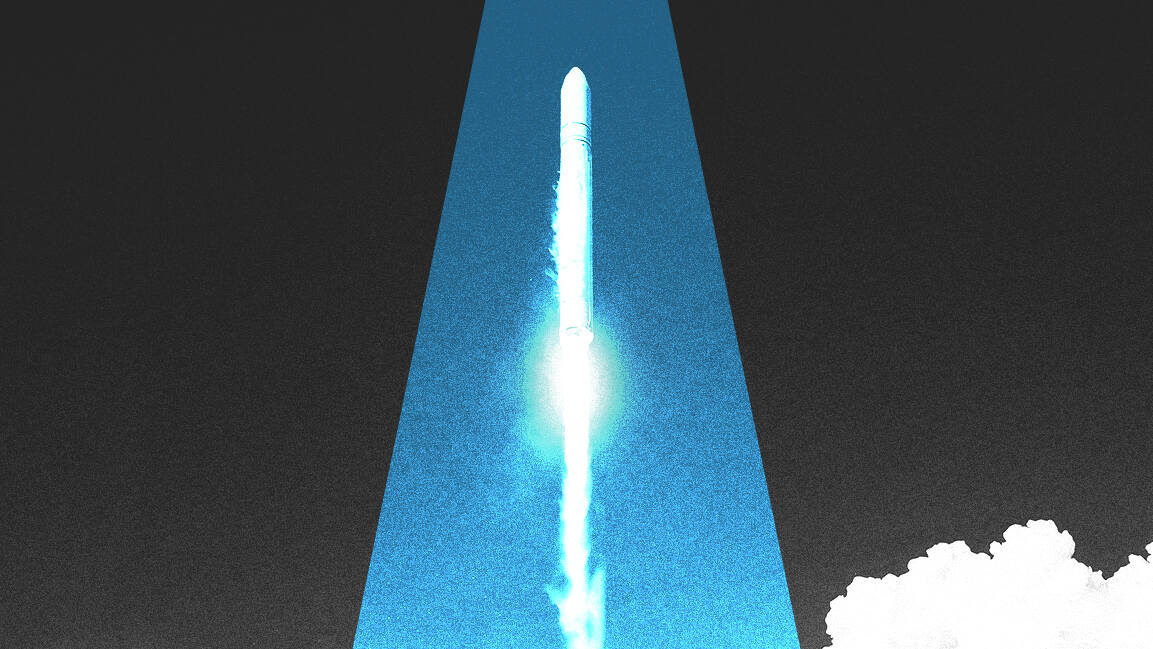
The Technology Innovation Institute (TII), the applied research arm of the Advanced Technology Research Council (ATRC), has successfully launched the UAE’s first sounding rocket powered by a fully domestically developed hybrid propulsion system, marking a major step in the country’s pursuit of sovereign space capabilities.

The milestone marks the first time a hybrid rocket designed, built, tested, and operated entirely in the United Arab Emirates has flown, underscoring the nation’s growing ability to independently develop and deploy advanced aerospace technologies.

The launch took place at 12:21 PM on February 13, with the rocket reaching an altitude of three kilometers before descending safely for recovery. The flight validated the propulsion system, control architecture, and structural integrity of the vehicle under real-world conditions, completing the final phase of an extensive development and testing program led by TII.

Dr. Najwa Aaraj, CEO of TII, described the mission as a pivotal achievement for the UAE’s science and engineering ecosystem. “This launch is a defining moment for science and engineering in the UAE. It demonstrates that we can lead in the development of breakthrough technologies not only in labs but also in real-world, high-stakes environments. This is the first step in building a national launch capability powered by UAE talent and ambition,” she said.

At the heart of the mission is a hybrid propulsion engine that combines nitrous oxide (N₂O) with high-density polyethylene fuel. The system blends the relative simplicity of solid-fuel rockets with the controllability of liquid engines, offering a safer and more cost-effective alternative to conventional propulsion systems.

Hybrid propulsion is widely considered well-suited for suborbital research missions, technology demonstration flights, and early-stage launch vehicles. TII’s self-pressurizing design eliminates the need for complex ground infrastructure or cryogenic handling, improving operational efficiency and safety.

The engine and its supporting components, including injectors, tanks, control systems, and avionics, were fully designed, manufactured, and qualified in the UAE. Prior to flight, the propulsion system underwent a series of cold-flow and hot-fire static tests to validate performance and reliability.

The rocket’s structure was built using advanced composite manufacturing techniques similar to those employed in modern aerospace programs. High-performance carbon-fiber materials were used for the main body and fins to withstand the stresses of flight, while the nosecone was constructed from glass-fiber composites to allow radio and navigation signals to pass through without interference.

Together, these developments highlight the UAE’s accelerating push to localize critical technologies and strengthen its position in the global space sector, moving from research-led innovation toward operational launch capabilities powered by domestic expertise.

More Top Stories:

FROM OUR PARTNERS