- | 3:08 pm
Who decides the digital future? e& CEO calls for global standards
At the World Governments Summit 2026, e& CEO Hatem Dowidar urges global cooperation to shape secure and inclusive digital infrastructure.



At a time when geopolitics, fragmented regulations, and competing technology ecosystems are reshaping the global internet, the question of who controls the digital future is becoming increasingly urgent.
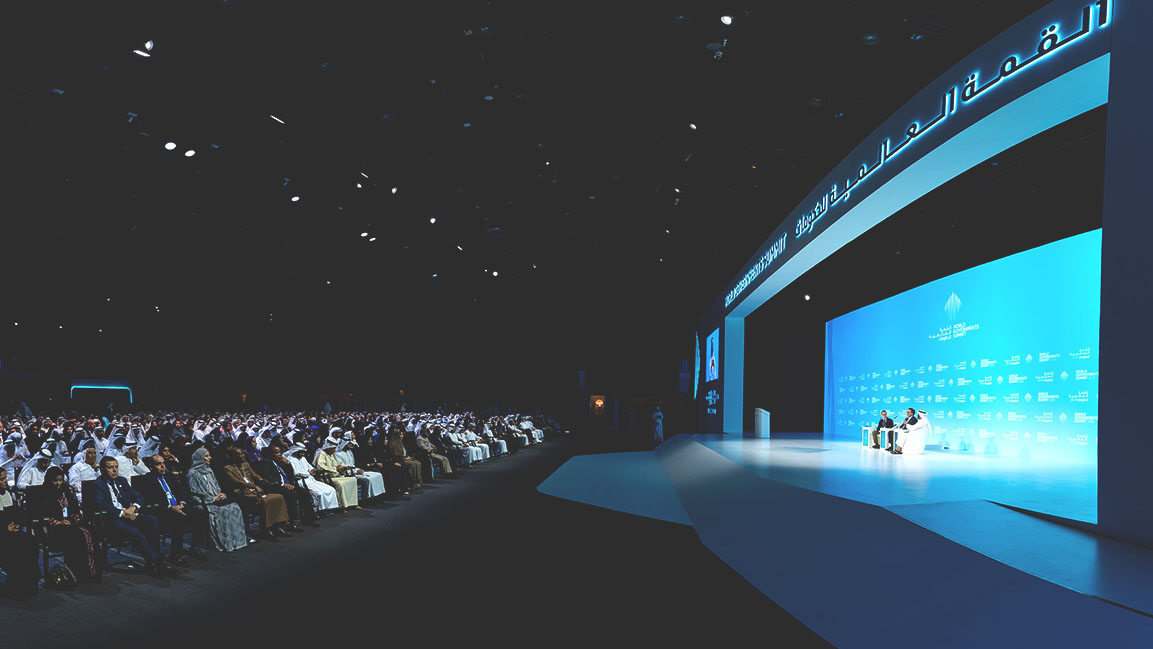
That question took center stage at the final day of the World Governments Summit 2026, during a session titled Who Decides the Digital World?, moderated by Becky Anderson, Anchor and Managing Editor at CNN.
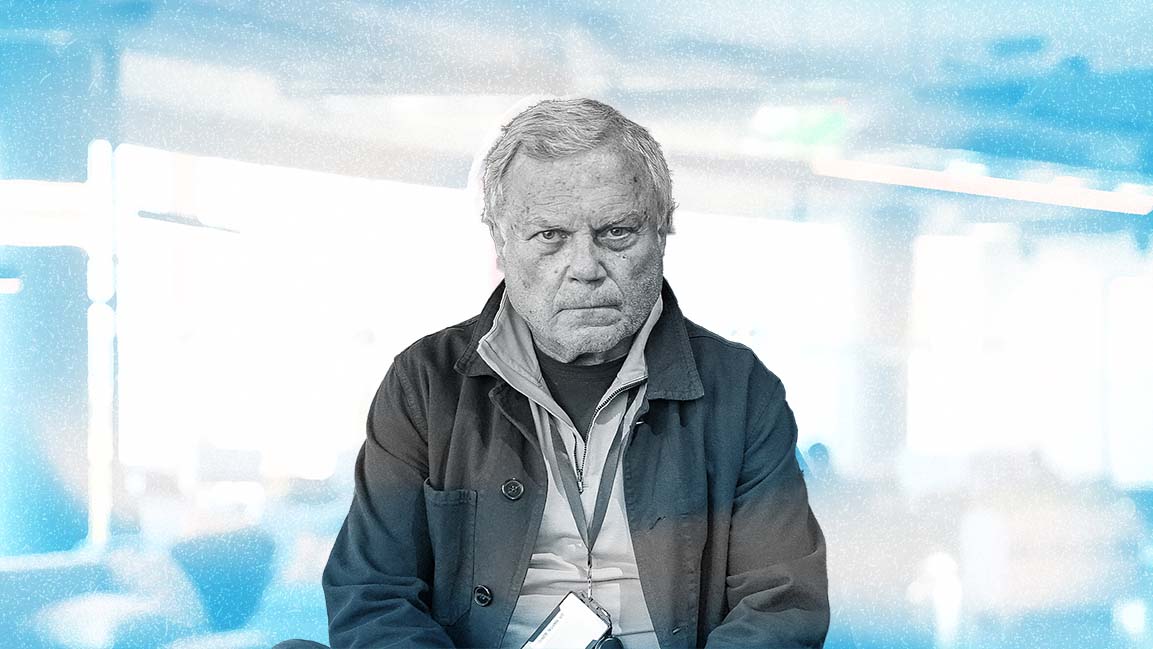
Speaking on the panel, Hatem Dowidar, Group CEO of e&, positioned the company as more than a regional telecom operator, arguing that technology leaders have a growing responsibility to help shape a secure, inclusive, and trusted digital ecosystem.
“We are a technology leader in the region and a pioneer in telecoms,” Dowidar said, noting that e& is marking 50 years of operations while continuing to reinvent itself. He highlighted the group’s role in launching successive generations of mobile connectivity, from 3G and 4G to 5G, and its active involvement in shaping the next phase of global connectivity.
Dowidar said international standards for 6G are expected to emerge by 2028, with early deployments likely around 2030. In the meantime, he pointed to the rollout of 5G-Advanced—referred to locally as “5.5G”—as a bridge to next-generation networks, delivering ultra-low latency, faster speeds, and deeper integration with technologies such as direct-to-device satellite connectivity.
Beyond infrastructure, the discussion turned to the growing influence of geopolitics on the digital economy. Dowidar described digital decision-making as a “multistakeholder environment,” shaped by sovereign governments, global technology platforms, international standards bodies, and ultimately end users.
He cited the role of organizations such as the International Telecommunication Union and the GSMA in developing common technical frameworks, stressing that ubiquitous global standards are essential to affordability and universal connectivity.
While optimistic about the economic potential of AI and next-generation networks, Dowidar cautioned that workforce disruption and skills transitions must be actively managed. Looking ahead, he said telecom operators are evolving into broader digital ecosystems—supporting financial inclusion, enabling AI-driven services, and contributing to knowledge-based economies.
The World Governments Summit 2026, held under the theme Shaping the Governments of the Future, brought together more than 60 heads of state and government, over 500 ministers, and thousands of global leaders from the public and private sectors.

Featured Videos
Today's Top Stories:
More Top Stories:




FROM OUR PARTNERS