- | 12:00 pm
Why Egypt is doubling down on port infrastructure and transit trade
Both parties signed an MoU to conduct studies, complete coordination, and secure approvals within 18 months.
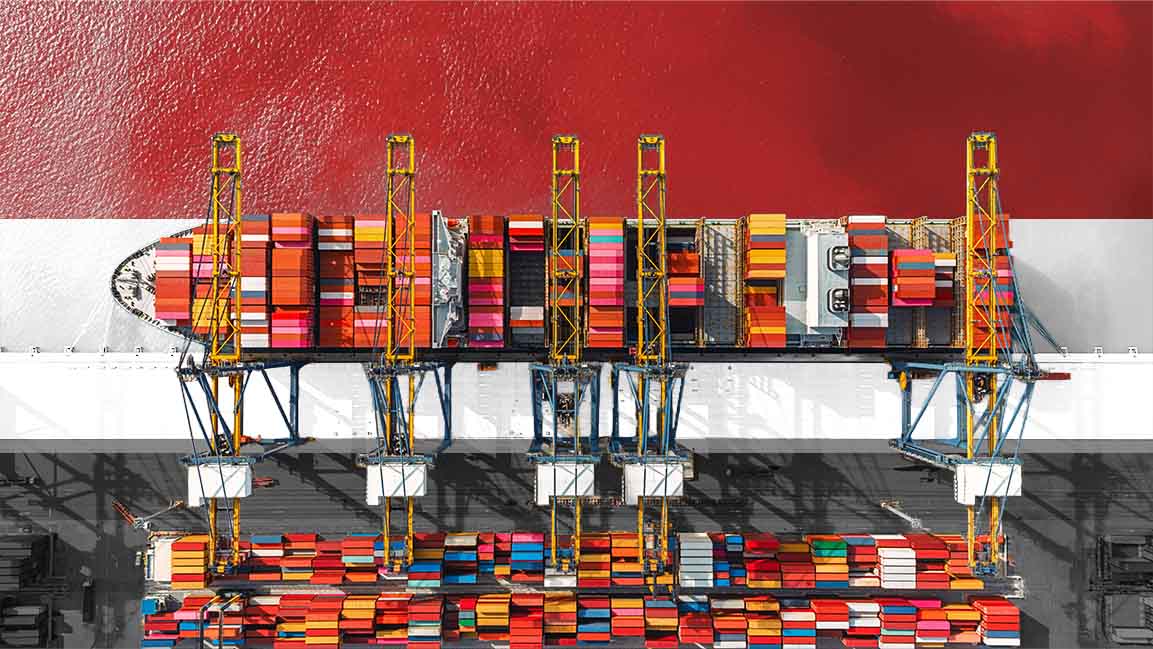


Egypt Marine Ports (EMP), the commercial arm of the Ministry of Transport, has signed agreements with the Suez Canal Economic Zone (SCZONE) to establish, manage, and operate cargo handling terminals across Egyptian ports, according to an official statement.
The agreements, implemented under the directives of Abdel Fattah El-Sisi, are part of a broader strategy to upgrade port infrastructure and position Egypt as a regional hub for transport, logistics, and transit trade.
They also support government efforts to expand port capacity, attract investment, and accommodate growing trade volumes.
Minister of Industry and Transport Kamel El-Wazir oversaw the signing of a licensing agreement for the operation of Berth No. 22 at Ain Sokhna Port. The 18-month license covers the loading, unloading, handling, and storage of general cargo and clean dry bulk cargo, with the aim of accelerating operations and improving the utilization of existing infrastructure.
In parallel, both parties signed a memorandum of understanding to conduct feasibility and market studies, complete coordination, and secure regulatory approvals within an 18-month timeframe. The MoU precedes a planned concession agreement to build, operate, maintain, and develop a terminal for general cargo and clean dry bulk at Ain Sokhna Port.
El-Wazir said the ministry is working to expand the number of operators across maritime transport sectors at Egyptian ports, including Ain Sokhna, to enhance Egypt’s share of global transit trade.
For his part, SCZONE Chairman Walied Gamal El-Din said the project will improve operational efficiency at Ain Sokhna Port and strengthen its position as a regional hub for handling general and dry bulk cargo. He added that the authority continues to pursue investments to diversify port activities and meet growing trade demand.

Featured Videos
Today's Top Stories:
More Top Stories:




FROM OUR PARTNERS