- | 9:00 am
The innovative new battery on this electric motorcycle charges in just 10 minutes
Donut Lab says its new solid-state battery is as cheap as current lithium-ion batteries, but it can charge faster, last longer, and won’t start fires.
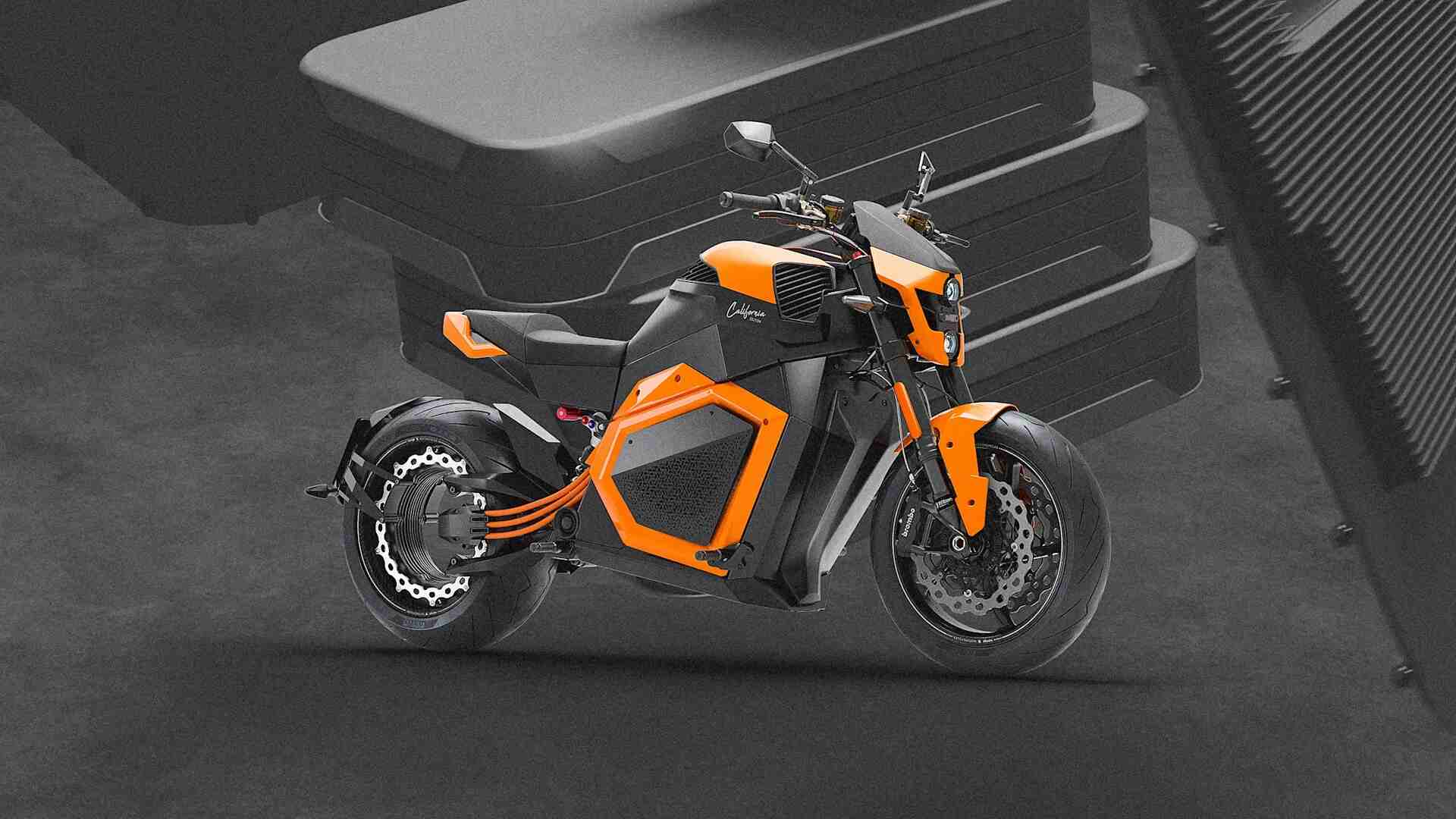


A small Finnish startup says it has done what the world’s biggest automakers are still struggling to do: put a solid-state battery into a production vehicle, starting with a motorcycle that can charge nearly 200 miles of range in as little as 10 minutes (or less, with a high-speed charger).
“For the last 15 years, the entire battery industry in automotive has been talking about solid-state batteries—that they’re the future,” says Marko Lehtimäki, CEO of Donut Lab, the startup that makes the new battery. “But up until today, despite all the talk, there’s never been a single production vehicle that uses solid-state batteries. They’ve only been used at lab level.”
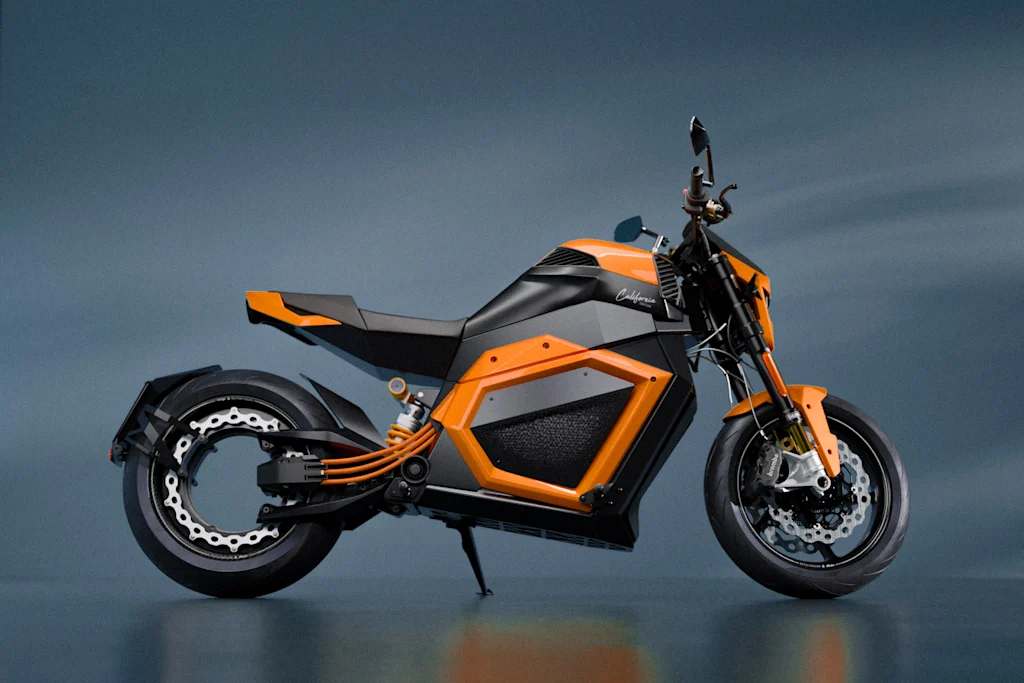
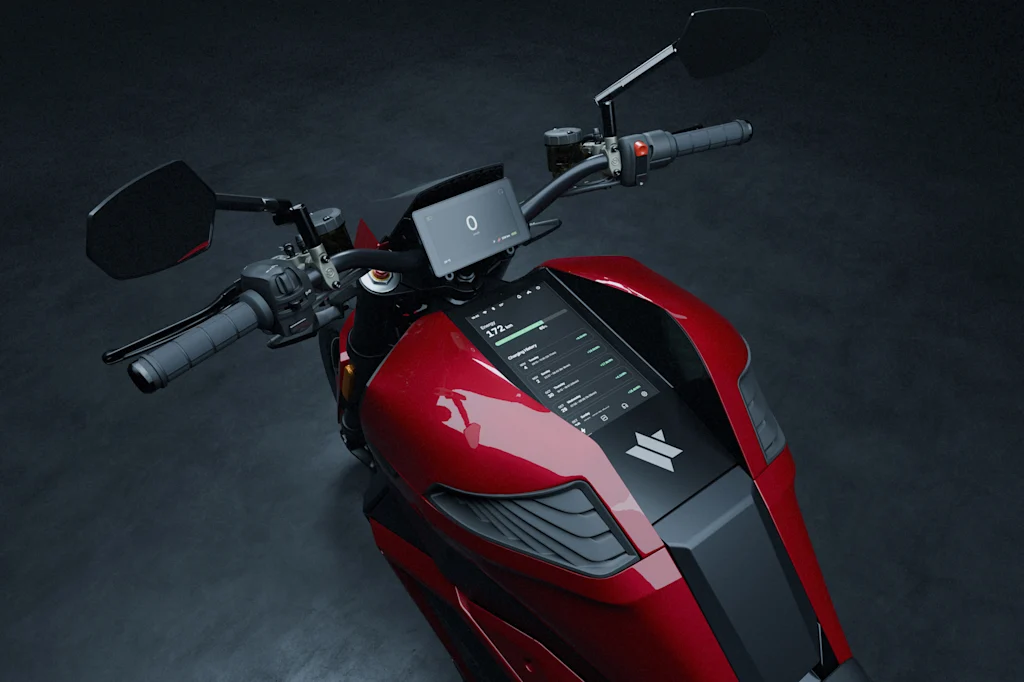
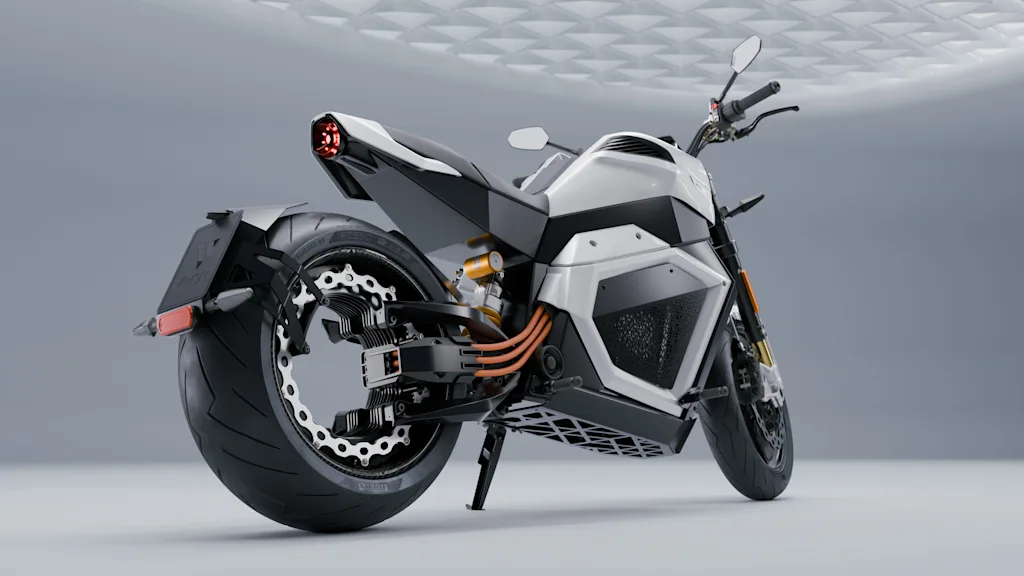
Verge Motorcycles, an electric motorcycle startup, is using the new battery in a bike that’s shipping to customers this quarter. Donut Lab, which originally launched as a spin-off of Verge, is also in talks with about 100 electric vehicle companies that want to shift to solid-state batteries.
Solid-state batteries have big advantages over the typical lithium-ion batteries that are in use now. The batteries, which use a solid electrolyte instead of liquid or gel, are safer, without the risk of catching fire.
They’re also more efficient and can charge much faster, making charging an EV more like filling up with gas. (Verge advertises that its motorcycle’s new battery can add 186 miles of range in 10 minutes, though it can technically charge in as little as 5 minutes with a high-power charger; the vehicle offers up to 370 total miles of range.) Solid-state batteries also don’t degrade as quickly. And in Donut Lab’s case, the battery is made from low-cost materials that are abundantly available around the world.
The new battery could help avoid the problem of EVs quickly losing resale value. “This battery lasts multiple lifetimes of a car or motorcycle,” Lehtimäki says. “So that’s another very important thing. You can rest assured that there’s zero degradation over time in the lifetime of a motorcycle. If there’s a new model and you want to sell the previous version, you know it’s as good as new from the battery perspective.”
The startup is still in the process of patenting the technology, and declined to share its specific chemistry or production methodology. (Automakers interested in using the batteries have seen more details under a nondisclosure agreement, Lehtimäki says.) But it argues that it was able to outpace other companies working on solid-state batteries because it’s more nimble.
“When you have smaller groups of very talented engineers working on a single vision, where it’s okay to take risks and think outside the box and try out new things—which is quite hard in corporate environments—it’s typically the young companies that actually bring new technologies and innovations to the market,” Lehtimäki says. Donut Lab previously designed a high-performance motor for EVs that fits inside wheels.
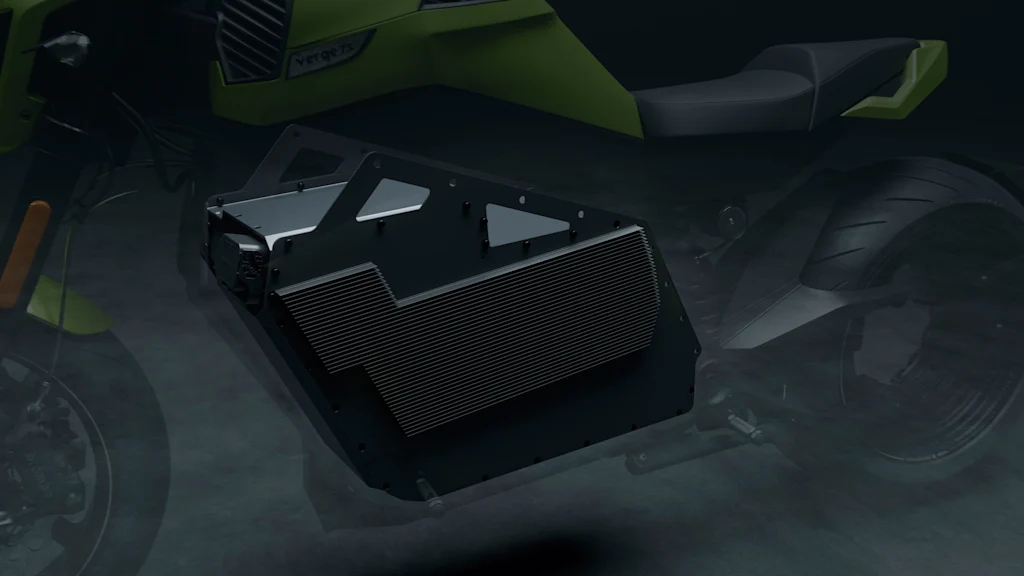
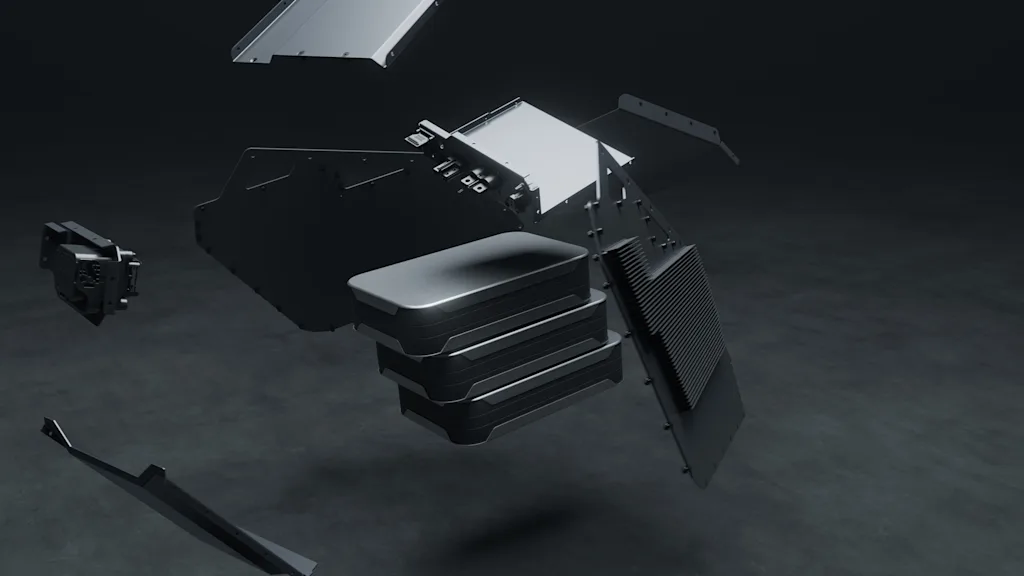
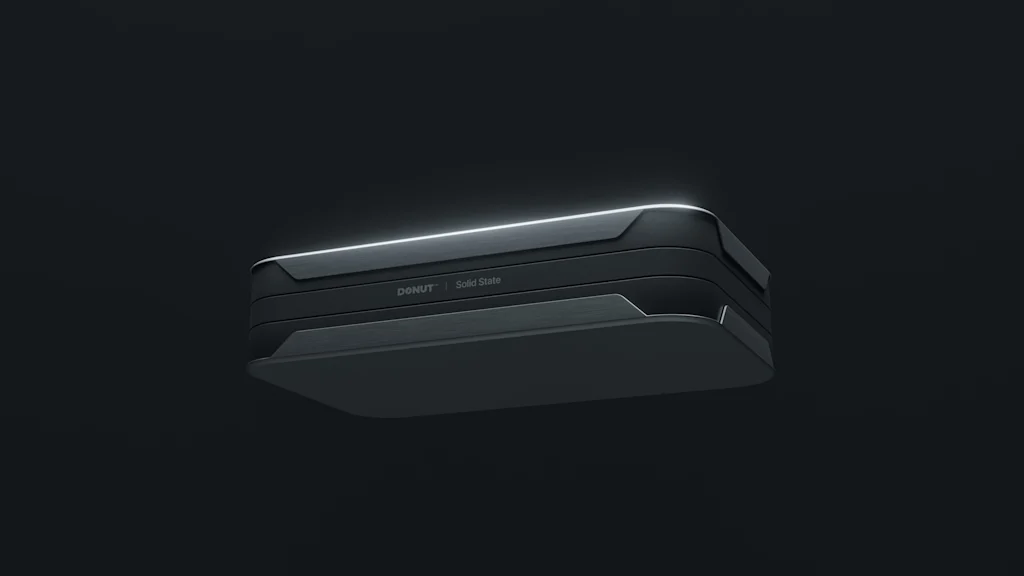
The batteries each have cells roughly the size of mobile phones, arranged in larger modules. In the motorcycle, the full battery pack is around the size of a suitcase; for energy storage at a power plant, the system can scale up to fill a shipping container with battery cells.
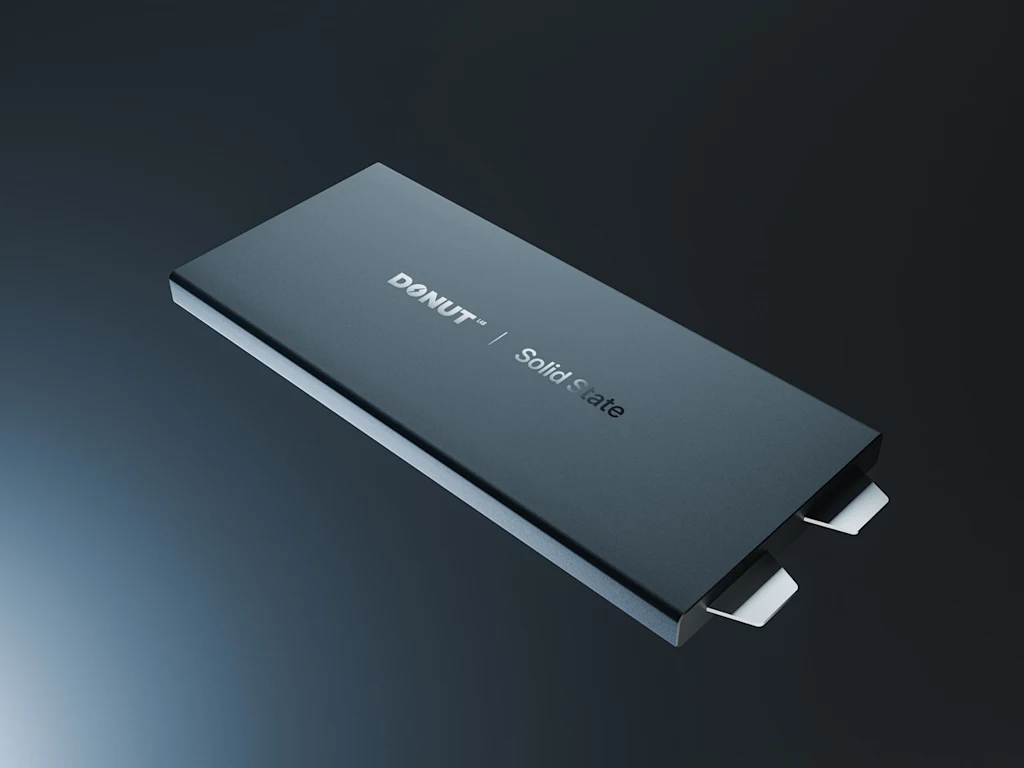
The batteries, which Donut Lab produces at its own factory in Finland, can also be made in custom shapes, meaning they can easily be swapped into the design of current electric cars or other vehicles. In one demonstration, the team took a swappable battery pack out of a scooter popular in Southeast Asia and re-created it.
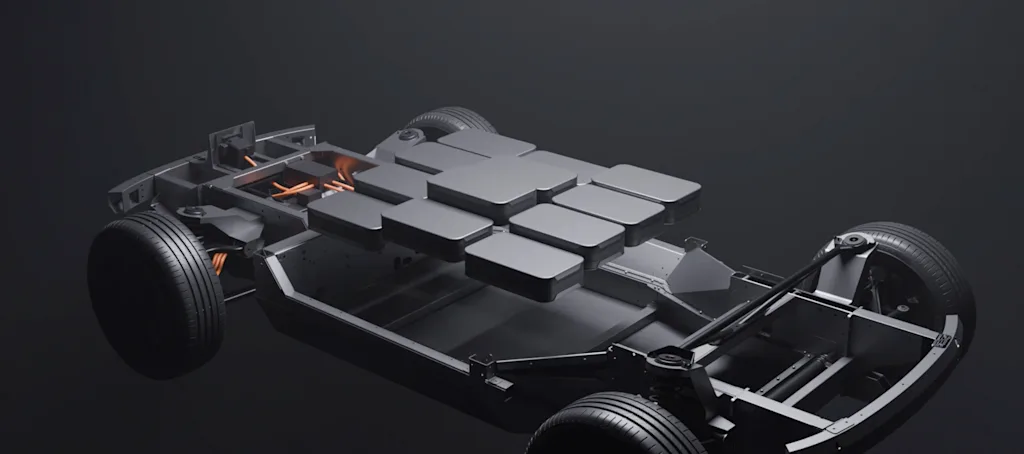
“We just took the dimensions and we created a battery in that exact shape and form,” Lehtimäki says. “That means that it can fit in the 100 million scooters in Asia as a drop-in replacement. And we can literally make these in any size so that the OEM [original equipment manufacturer] building cars doesn’t need to make any changes.”
Of course, some automakers have already invested heavily in making their own conventional lithium-ion batteries, and couldn’t immediately make the switch. But Lehtimäki says others are considering quickly adopting the new batteries.
Cova Power, a company that electrifies trailers for semitrucks, plans to use the new batteries. Several automakers are also in the process of putting them in cars, Lehtimäki says, though his company can’t yet name the manufacturers.
In the past, one of the major challenges for solid-state batteries has been cost. But Donut Lab says its costs are competitive because it uses readily available materials.
“The materials are the biggest driver for cost in batteries,” Lehtimäki says. “That’s why we are able to produce them already today at prices that are cheaper than lithium-ion for the end customer, which is the OEM. So that means that if you have a well-established company that produces, say, 100,000 SUVs a year, and they have negotiated the cost of their batteries for a decade, we can go to them and we can immediately offer them these better batteries at the same price than what they pay today.”
Companies that need energy storage—like data centers, EV charging stations, or solar farms, for example—could also quickly adopt the new batteries. “They can have three or four times faster charging than what they have today,” Lehtimäki says, “with lower costs.”