- | 9:00 am
Is office design in the Middle East ready for the return-to-work shift?
As hybrid models take root across the region, it’s time to rethink the purpose and design of office spaces.


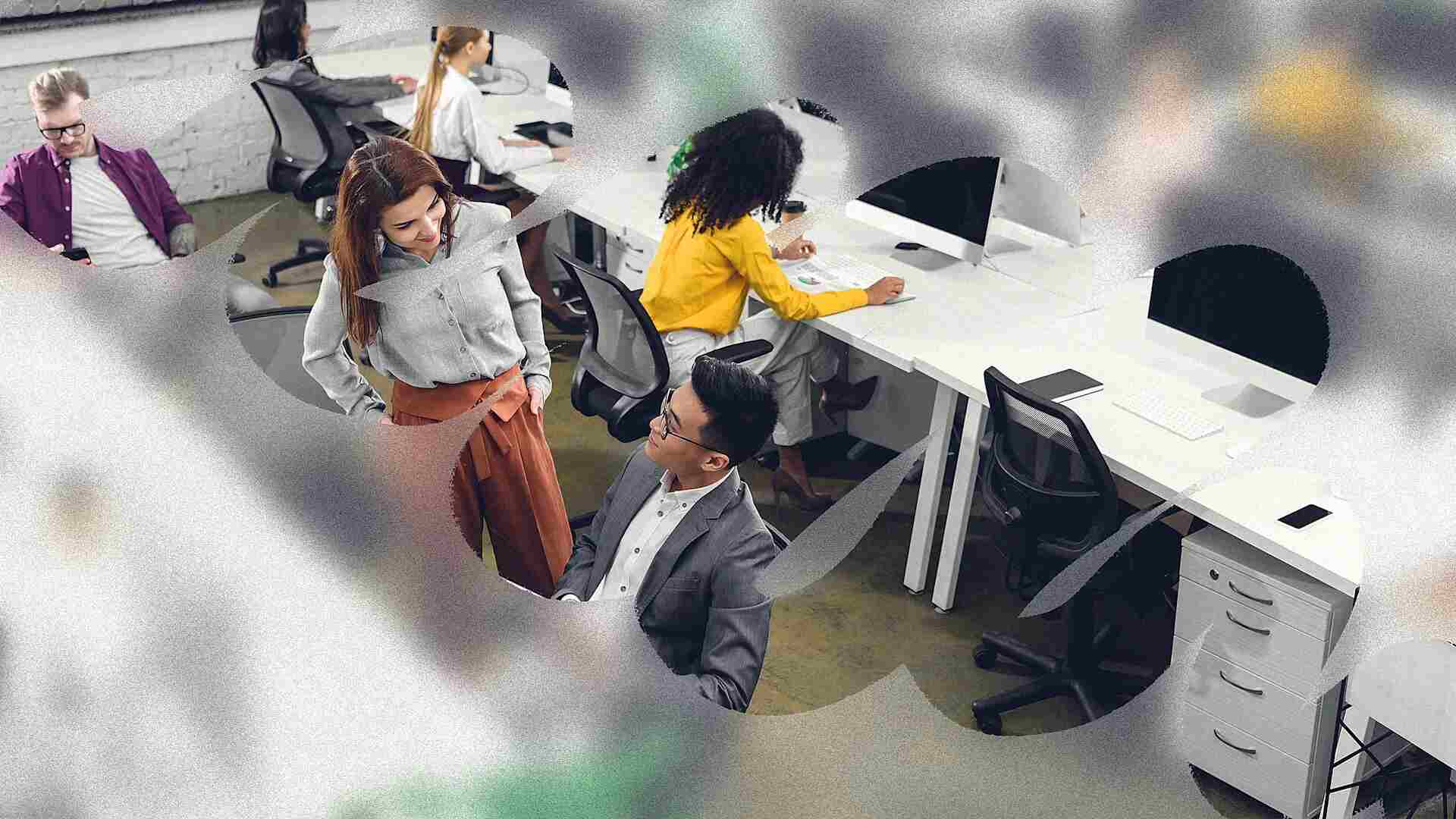
Imagine an office with grey cubicles, harsh lighting, no natural light, and no personality—lifeless. It’s more like a waiting room than a space for ideating and collaborating. As return-to-office (RTO) takes hold across the Middle East and North Africa (MENA) region, are workspaces designed to be productive? Have workspaces evolved to re-engage employees?
As workplace design becomes central to talent attraction and retention, the region sees rising costs driven by demand for premium spaces and hybrid work policies.
According to JLL’s latest Office Fit-Out Cost Guide 2025, Saudi Arabia and the UAE are among the most expensive countries globally for high-quality office finishes, averaging over $2,400 per sqm, well above the global average of $1,830 per sqm.
The report reveals that office fit-out costs across EMEA have increased over the past year, reflecting a broader shift as 44% of companies plan to increase office-based workdays over the next five years. Dubai ranks among the top 20 global cities in terms of fit-out costs, while Saudi Arabia’s RHQ Program is driving demand for top-tier office space.
Workspace design has emerged as a critical enabler of productivity and retention. “It is important to emphasize that there is no one-size-fits-all approach to workspace design. The effectiveness of any layout relies on a clear understanding of the organization’s strategic objectives, operations, company culture, and the working preferences of its employees,” says Maroun Deeb, Head of Project & Development Services, Saudi Arabia and Bahrain at JLL.
Amid the backdrop of the appeal of hybrid work, RTO must go beyond the obvious benefits.
“The appeal of working from home instead of an office is the residential, cozy, home-like feel. It is important for companies to emulate this in common areas,” says Rhea Patel, co-founder of the Bureau, a coworking space in Dubai. Patel suggests that refurbishing common areas with books, pillows, throws, couch seating, and a kitchen counter can be a game-changer. She says that white noise or ambient music would also help ease the mood and appeal of a common area.
FUNCTIONAL AND ENERGIZING
From lighting and layout to acoustics and air quality, every element of the workplace can either support or sabotage employee performance. As return-to-office policies gain momentum, the pressure is on to create spaces that are not just functional but energizing.
“People sometimes dread RTO after lounging from home due to the perceived strictness of the traditional office space. The way to combat this would be to encourage employees not to be bound to their desks and to explore other avenues of the office,” says Patel.
Many companies understand this. However, the key is to provide what is needed at the right time. “Amenities are key,” says Patel.
She adds that people love the comforts of their homes, especially women returning to offices after maternity leave. Companies must “create amenities such as pumping rooms, vanity rooms, beautiful bathrooms, and an appealing pantry for people to assemble food,” which would help ease the transition.”
Effective workspace design must balance collaboration and sustainability through careful planning tailored to the organization.
“Companies should conduct thorough analyses of how employees collaborate; this process typically takes one to two months to create spaces that align with actual work patterns while avoiding energy waste in underutilized areas,” says Deeb.
By customizing environments to meet users’ unique needs, designers can leverage a workspace’s physical, emotional, and digital dimensions, promoting higher collaboration and productivity, he says. A user-centric approach results in meticulously tailored spaces that encourage teamwork and remain energy-efficient rather than applying generic solutions that often fall short.
“The layout should incorporate adaptable elements that can evolve as collaboration needs change, preventing wasteful redesigns and construction that contribute to emissions. Flexibility, along with energy-saving smart solutions and sustainable materials, helps meet sustainability goals while supporting collaborative work,” Deeb says.
COWORKING VS. TRADITIONAL OFFICE DESIGN
Coworking spaces like The Bureau are getting office design right. According to Patel, success lies in blending thoughtful design with evolving workplace expectations–something many traditional offices still struggle to achieve.
“It depends on the workplace and brand culture, and if that seeps into the physical office workspace,” she says.
While some brands, like Alo Yoga, have mastered this alignment, “where they have open floor plans, and wellness-focused amenities… essentially living their brand values,” Patel notes that not every company has the resources or capital to follow suit.
Where coworking spaces have the edge, she says, is in their built-in need to innovate. “Besides a small percentage of companies, coworking spaces have a greater incentive to continuously evolve, stay up to date, and provide unique design elements.” Unlike traditional offices that rely on mandates to bring people in, “coworking spaces are an active choice and have to be appealing and cutting edge for people to opt in.”
That pressure to be desirable has led to more human-centric, creative environments. Traditional office spaces have always been institutional and standard. However, Patel says that coworking spaces have disrupted this by asking the right questions. “Why can’t offices feel more residential than commercial? How do we make offices feel cozy? How can we make an office space more appealing to women?”
Patel says coworking’s influence is shaping how traditional offices operate as they have incorporated elements such as phone booths, wellness programming, various types of seating, hot desks, etc.
DESIGNING ESSENTIALS
Patel emphasizes that before any design decisions are made, it’s essential to define the purpose of the space. “Before designing the space, one must ask oneself what one’s goals are here. Is the goal to create a space that facilitates inter-team bonding? Do companies want amenities that support working and new moms or parents? Is the goal to make wellness accessible to employees?” she says.
Design can naturally take shape once there’s clarity on intent.
Turning to the physical aspects of the environment, Patel notes that thoughtful design plays a critical role in cultivating connection. “In terms of physical design, collaboration and affinity towards community start with having a good experience in the space,” she says.
She points to key elements that influence how people feel. These can be achieved in various ways, including high ceilings, natural light, calming paint colours, ambient lighting, and seating options—relaxed couch seating, standing desks, meeting rooms, etc.
She adds that designing for wellness goes hand-in-hand with productivity. “More wellness-focused amenities can include a yoga studio, meditation room, rest pods, and quieter areas for people to do individual work.”
And in the end, some of the strongest workplace bonds are formed over shared meals. “ A shared café space or a dedicated eating area with communal tables encourages coworkers to eat together in a relaxed, informal setting.”
THE RESPONSIVE OFFICE DESIGN
The most effective offices are no longer static; they’re intelligent environments that respond to how people work throughout the day. A high-performing office balances several key elements that respond to how people work throughout the day.
At the core of these workspaces is flexibility. “The most successful office designs prioritize flexibility and adaptability,” says Deeb. “Rather than static environments, high-performing workplaces function more like living organisms that respond to changing needs. This includes modular furniture systems that can be reconfigured within minutes, walls that can shift to create different-sized spaces, and technology-enabled environments that adapt to occupancy patterns.”
Technology, he adds, now works behind the scenes to elevate the user experience. “Advanced occupancy sensors track space usage and actively optimize environmental conditions based on real-time needs. Lighting systems automatically adjust color temperature and intensity throughout the day to support circadian rhythms and energy levels. Acoustic management has become sophisticated with directional sound and noise-cancellation technology creating ‘sound zones’ that shift as teams move through different work modes.”
Deeb also points to the evolution of biophilic design, which has moved beyond aesthetics to become functionally integrated into wellness strategies. “Living walls now double as air purification systems, while daylight harvesting technologies maximize natural light, minimizing glare and heat gain. Many offices have incorporated indoor farming elements that provide fresh produce for office kitchens while serving as natural dividers between spaces.”
Deeb explains that these intelligent offices shift modes throughout the workday to reflect energy levels and tasks. Morning arrival triggers “welcome mode,” where brighter, energizing lighting, enhanced air circulation, and quick-access spaces for stand-up meetings and focused work take center stage. Digital wayfinding guides employees to spaces aligned with their schedule. By mid-morning, the environment adapts for collaboration—furniture shifts into new layouts, and acoustic properties adjust to contain group discussions without losing energy. During lunch, social areas transform into community hubs with modular layouts for casual dining and moments of interaction across teams. The space quiets in the afternoon, reducing stimulation and adjusting lighting to maintain energy and support deep, distraction-free work. Finally, as the day winds down, the environment gently signals wrap-up time with subtle lighting and ambient sound changes to reinforce healthy work-life boundaries.
What truly differentiates these spaces, Deeb concludes, is their ability to evolve continuously. “Advanced analytics platforms now provide facility managers with actionable insights about how space is being used, allowing continuous refinement of the environment based on actual behavior patterns rather than assumptions.”
DESIGNING TO CHANGE BEHAVIOR
Another critical element of workplace design is integrating aspects of sustainability.
According to the JLL report, 68% of global firms and 78% of MEA-based corporate leaders, particularly in the UAE and Saudi Arabia, plan to boost investment in sustainable office strategies over the next five years.
Deeb explains that “there are many ways that office design can effectively influence and shape a sustainable mindset among employees.”
One approach is to integrate visible environmental touchpoints throughout the space. He cites the example of installing recycling and composting stations in the workplace, which encourages sustainable waste management.
Incorporating living walls, natural materials, and abundant daylight creates a tangible connection to nature, which inspires more environmentally conscious behaviors and decisions throughout the workday.
He also emphasizes the value of making sustainable commuting more accessible. “Providing bicycle storage areas, shower facilities, and EV charging stations encourages green commuting options. Making these amenities visible and treating them as premium workplace features emphasizes their importance.”
Deeb highlights that building a culture around sustainability means giving it a physical presence. “Collaboration zones focused on sustainability initiatives give environmental values a physical presence in the workplace. These spaces can host workshops, display progress toward sustainability goals, and celebrate achievements.”
Ultimately, the most effective office designs go beyond infrastructure. “The most effective sustainable office designs not only implement green technologies but also make sustainable choices the most natural and convenient options for employees, creating habits that extend beyond the workplace,” adds Deeb.