AI, 5G and the future of connectivity take centre stage at MWC26 Doha
MWC26 Doha hosted 86 ministerial delegations, representing 74 countries and 12 intergovernmental organizations.
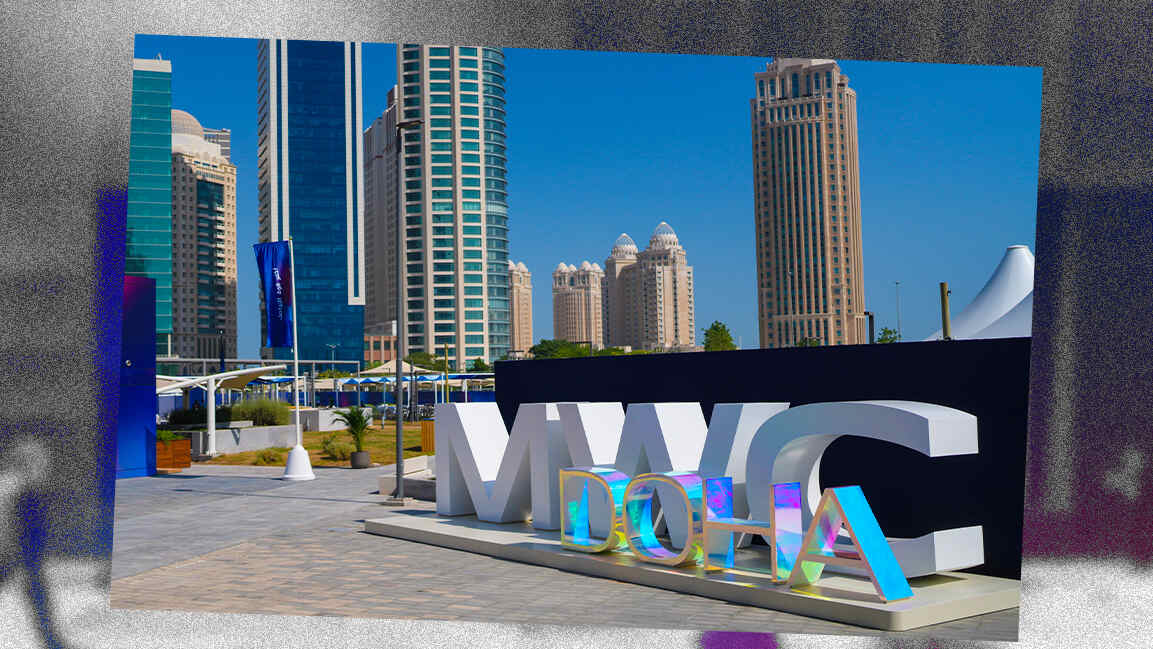


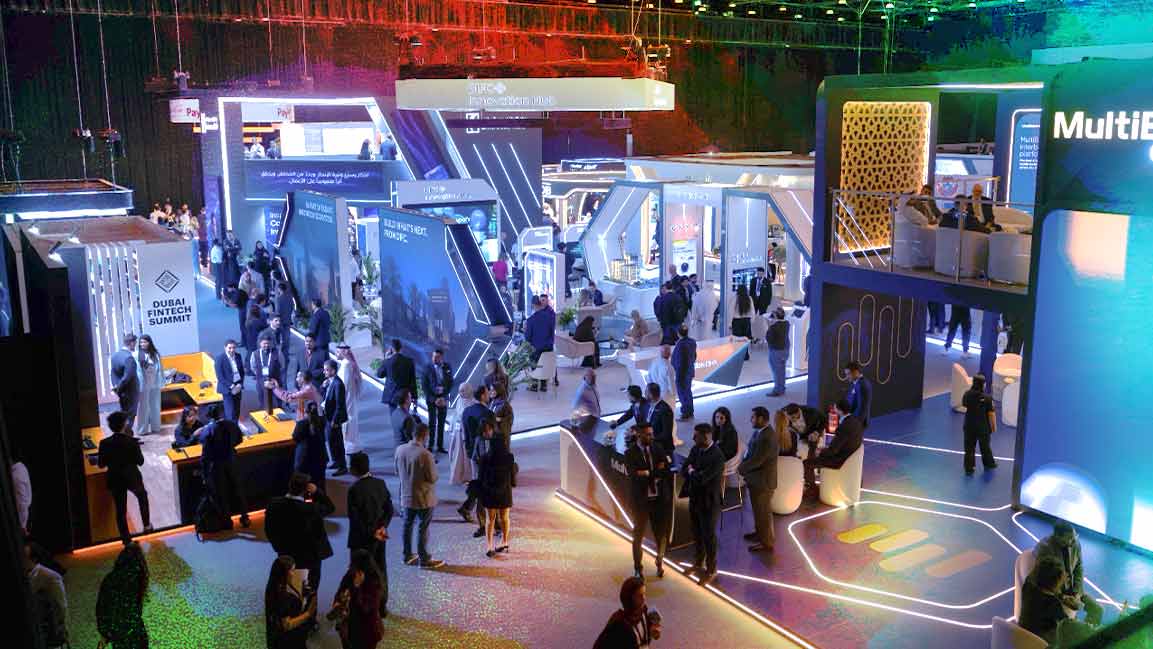
More than 10,000 people from 100 countries and territories attended MWC26 Doha, which concluded after three days of discussions on digital infrastructure, artificial intelligence (AI) and connectivity across the Middle East and North Africa (MENA).
Held in partnership with Qatar’s Ministry of Communications and Information Technology (MCIT), the event brought together policymakers, industry leaders, technology companies and investors to examine the region’s digital transformation and its role in the global connectivity ecosystem.
This year’s edition also ran alongside the opening days of the International Telecommunication Union’s (ITU) Plenipotentiary Conference (PP-26), marking the first time the two events were held concurrently.
Held every four years, PP-26 is the ITU’s highest decision-making forum, where member states determine its strategic and financial priorities, elect its leadership and set its overall direction.
According to the GSMA, MWC26 Doha brought together 86 ministerial delegations, including 36 ministers and 34 heads of national regulatory authorities, representing 74 countries and 12 intergovernmental organizations.
The event featured 195 speakers, around 100 exhibitors, sponsors and partners, and 42 partnership announcements. Organizers also reported that 14% of attendees held C-suite positions, while 37% were directors or held more senior roles.
GSMA CEO of Events and Industry Services Sianne Ryder said the event brought policymakers and regulators together with industry leaders to discuss the region’s digital priorities.
Several demonstrations and partnerships highlighted the role of mobile connectivity and AI in the region’s digital development.
At the GSMA Pavilion, Ooredoo Qatar, Ericsson, Eonetics, Hikvision and GSMA Fusion demonstrated how 5G connectivity could support emergency response operations. The demonstration connected a tethered drone operated by Eonetics in Melbourne with the pavilion in Doha, more than 12,000 kilometers away.
The GSMA also launched its AI for Impact (AI4I) MENA Initiative, which aims to bring together mobile operators, governments, international organizations, academic institutions and private-sector companies to develop and scale AI-powered services across the region. The initiative will focus on responsible AI adoption, strategic partnerships and skills development.
The event also saw several partnership announcements.
The GSMA collaborated with Khalifa University and AMD to bring radio frequency foundation models to telecommunications operators, while a separate agreement with the ITU aims to advance trusted, open AI for the telecom sector.
Other collaborations included a partnership with Axonect to support small businesses through mobile operator-led digital marketplaces, an agreement with Côte d’Ivoire to improve smartphone affordability, and a collaboration between GSMA Foundry and apoQlar to advance spatial computing in connected healthcare.
The conference featured speakers from companies and organizations including Accenture, Dell Technologies, Ericsson, Google, Huawei, Mastercard, Microsoft, Nokia, Ooredoo, PwC Middle East, ServiceNow and Vodafone Qatar.
GSMA Director General Vivek Badrinath said the event provided a platform to address industry priorities, including international network standards and expanding connectivity to populations that remain offline.

Featured Videos
Today's Top Stories:
More Top Stories:



FROM OUR PARTNERS