Middle East luxury consumers lead global spending appetite, with 93% using AI
Luxury spending appetite in the region is outpacing global markets, with 93% of consumers using generative AI to research purchases
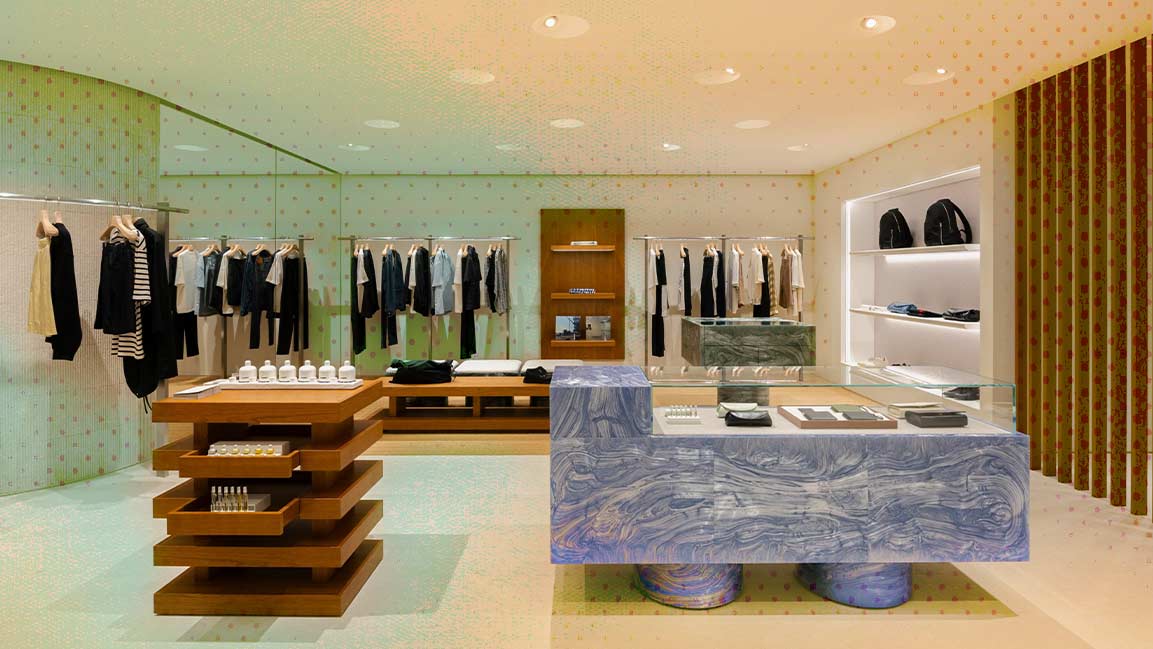


Luxury consumers in the Middle East are showing a stronger appetite for spending than those in other established luxury markets, while increasingly turning to artificial intelligence to research purchases, according to a new study by Boston Consulting Group (BCG) and Altagamma.
The True Luxury Consumer Insights study found that 93% of Middle Eastern luxury consumers use generative AI to research products, compared with a global average of 79%, highlighting a shift in how shoppers discover and evaluate high-end brands.
Spending intentions are also stronger across the region. Over the next 18 months, the Middle East’s net spending appetite is six percentage points above the global average, with positive demand across all spending categories.
The highest-spending consumers are leading the trend, recording a net spending appetite of 19 percentage points.
The findings come as the global personal luxury market begins recovering from a slowdown in 2024 and 2025. BCG forecasts growth of 2% to 5% in 2026, accelerating to between 4% and 7% by 2029.
Rather than prioritizing prominent logos, Middle Eastern luxury shoppers are increasingly seeking craftsmanship, exclusivity and products with lasting value.
Watches, jewelry and handbags remain among the most sought-after categories, while interest is expanding into wellness, hospitality and other luxury experiences.
Globally, logo visibility ranked last among 18 factors influencing luxury purchases, with design, craftsmanship and quality taking precedence.
“The Middle East continues to be one of the most dynamic luxury markets globally, supported by strong consumer confidence and a deep appreciation for quality, craftsmanship and iconic brands,” said Pietro Barbini, luxury principal at BCG.
He added that digital discovery, social influence and AI are playing an increasingly important role in purchasing decisions.
For luxury brands, the growing use of AI presents both an opportunity and a challenge. While consumers are increasingly relying on AI-powered tools to research products, the study found that only 21% of fashion and luxury companies globally are considered leaders in AI adoption.
The shift is also changing how brands reach customers, with social media creators, personalized advertising and conversational shopping becoming more important to the luxury buying experience.
Meta said its Partnership Ads, which allow brands to advertise alongside creators and business partners, grew more than 97% year over year in the third quarter of 2026, reaching an annualized revenue run rate exceeding $15 billion.
In the Middle East, luxury retailer Ounass has used WhatsApp Business to provide personalized customer communications and shopping assistance. According to Meta, the approach helped increase customer satisfaction scores by up to five points, while marketing messages generated returns of up to 25 times the investment.
Meanwhile, HUGO BOSS Middle East used creator-led and AI-generated content for its BOSS x Steiff campaign, reporting a 63% increase in ad recall and a fivefold rise in add-to-cart events compared with its standard campaign approach.
The findings were presented at The Luxury Edit by Instagram, Meta’s first regional luxury summit, which brought together executives from brands including Louis Vuitton, Chalhoub Group and Huda Beauty, alongside representatives from Dubai’s tourism sector.
For luxury companies, the research points to a market where consumers remain willing to spend but are increasingly selective about what they buy and how they discover it. As AI becomes a more common part of that process, brands face growing pressure to make their products discoverable across digital platforms while preserving the craftsmanship and exclusivity that underpin their appeal.

Featured Videos
Today's Top Stories:
More Top Stories:



FROM OUR PARTNERS