- | 10:00 am
DIFC rolls out temporary payment support measures to support business stability
The package includes flexible payment plans, instalment options for license renewals, and support for retailers.



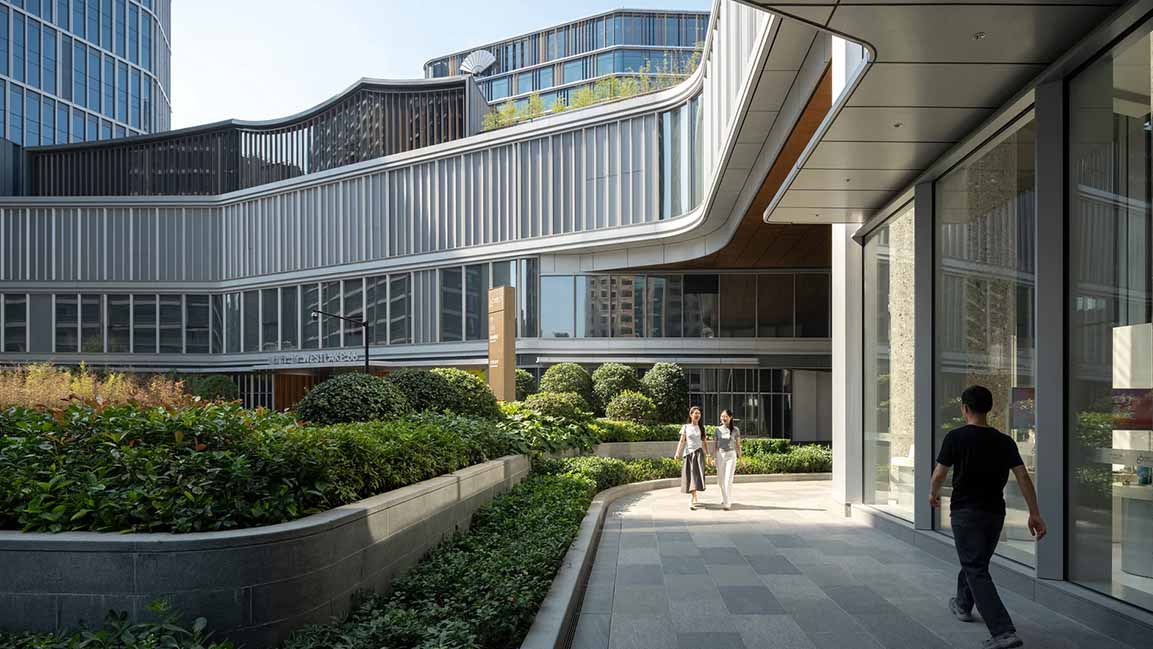
The Dubai International Financial Center (DIFC) has introduced a package of temporary economic support measures to assist businesses and retailers as the region navigates current market conditions.
Effective immediately, the measures are designed to ease short-term operational and financial pressures across the centre’s commercial ecosystem, offering businesses greater flexibility during a period of uncertainty.
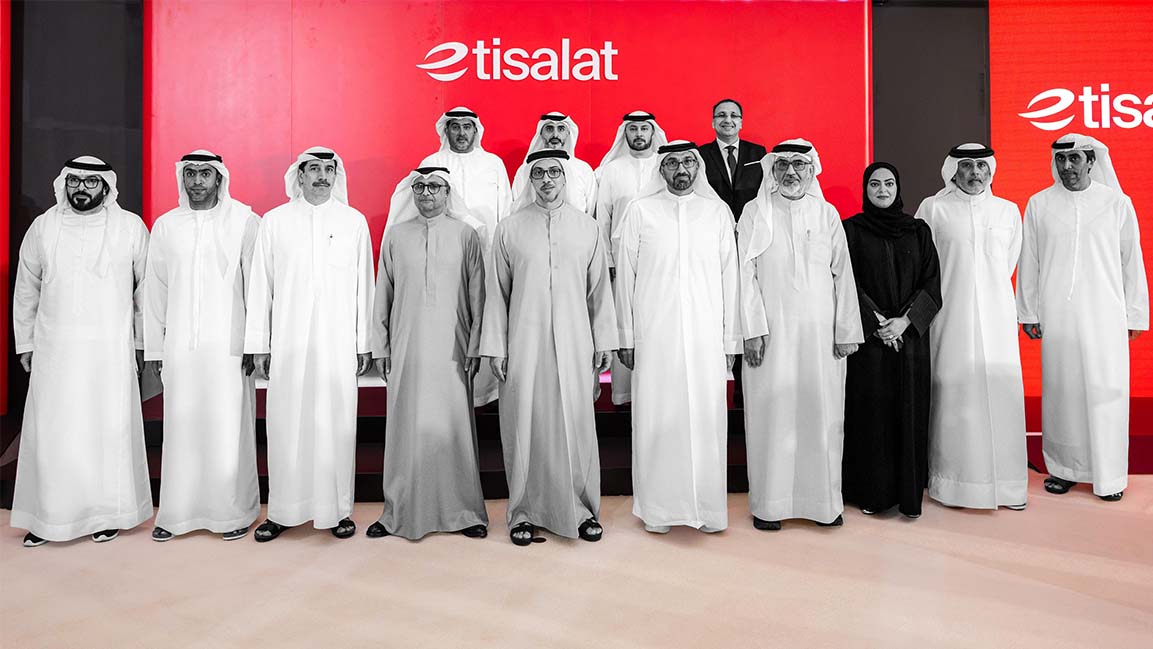
Arif Amiri, Chief Executive Officer of DIFC Authority, said the initiative reflects a proactive approach to supporting the centre’s business community while reinforcing long-term resilience. He added that the measures are intended to help firms manage immediate challenges while sustaining confidence in Dubai’s position as a leading global financial hub.
The support package includes flexible payment plans for commercial and retail tenants, installment options for license renewal fees, and additional support for retailers. It also introduces grace periods for selected administrative fees related to lease contracts, services from the Registrar of Companies and the Data Protection Department, and employee registrations under the DIFC Employee Workplace Savings (DEWS) scheme.
In parallel, the Dubai Financial Services Authority (DFSA) has introduced temporary regulatory relief measures to support both new firms seeking authorization and existing regulated entities operating within DIFC.
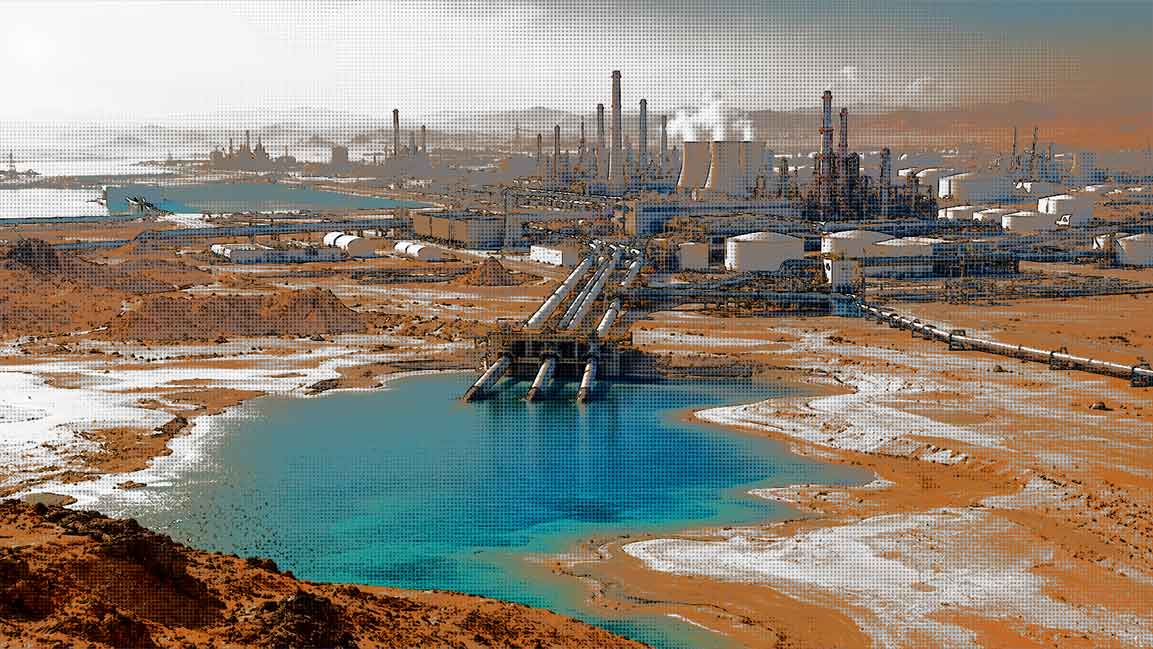
These measures come amid broader economic disruption linked to the ongoing Iran conflict, which has heightened volatility in global energy markets and disrupted key trade routes. Economists warn that prolonged instability could weigh on regional growth, strain logistics and investment flows, and increase risks for trade-dependent economies, underscoring the need for targeted support initiatives.
Reflecting these pressures, the World Bank has revised its 2026 growth forecast for the GCC down to 1.3%. Some projections also point to a recession in the first half of 2026, driven by reduced oil output and mounting pressure on non-oil sectors.

Featured Videos
Today's Top Stories:
More Top Stories:

FROM OUR PARTNERS