- | 10:00 am
The future of news is being shaped by algorithms, creators and a new trust economy
As audiences shift to social platforms, the rules of trust in news are evolving
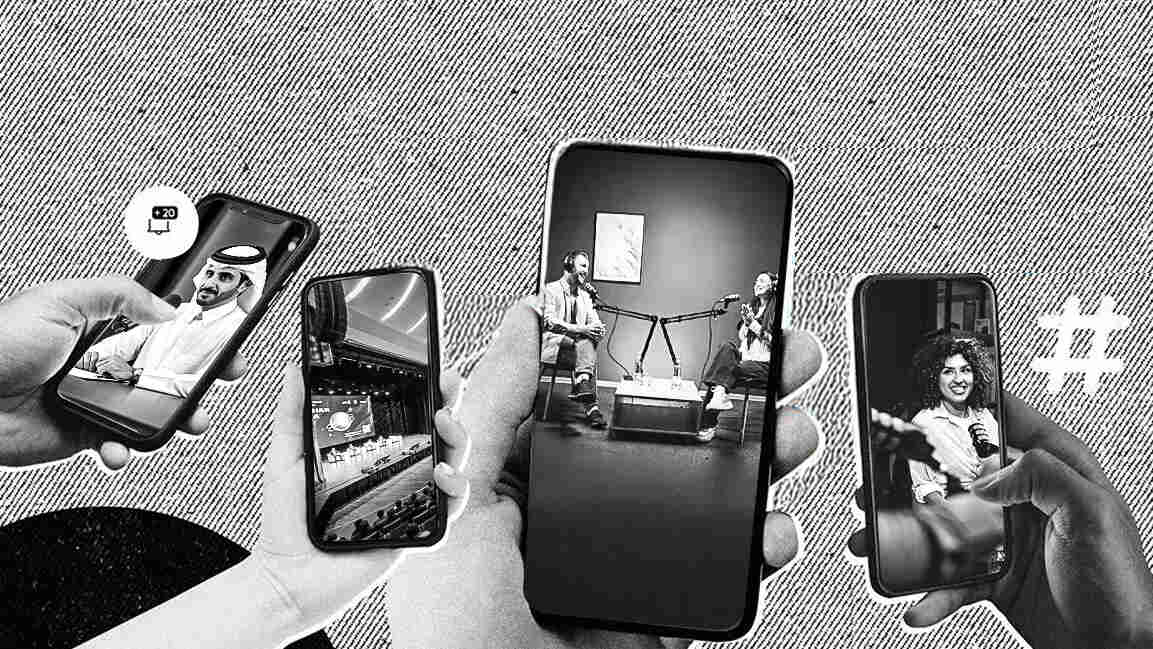


The way people consume news is being reshaped in real time, with audiences increasingly turning to TikTok creators, Instagram feeds, and other social platforms for breaking updates rather than traditional newsrooms. In today’s fast-moving information cycle, stories often reach people first through algorithms and creator-led content, reflecting a broader shift in how trust, speed and credibility are being redefined across the media industry.
Pete Jacob, Managing Director of Current Global MENAT, said recent geopolitical tensions across the region have accelerated changes in how audiences engage with information, forcing many people to rethink what sources they trust and why.
“‘Have you seen the news?’ has become the go-to conversation starter for many of us across the region over the past month,” Jacob said.
“Conversations that usually center on celebrity gossip, what series you’ve got into, or a new trend have shifted to geopolitics and economics,” he added.
Jacob said the rise of platforms such as TikTok and Instagram has fundamentally changed the relationship between audiences and journalism. Where trust in news once came largely from established institutions and editorial oversight, today’s information ecosystem is increasingly shaped by algorithms, creators and user-generated content.
“A breaking story might now reach audiences first through a creator’s video rather than a traditional newsroom,” he said. “In some cases, these voices bring fresh perspectives and immediacy. In others, they blur the lines between reporting, commentary and opinion.”
AUDIENCES BECOME MORE CRITICAL OF INFORMATION
The shift, Jacob said, is also changing how audiences engage with information, forcing people to become more discerning as they navigate a constant stream of updates, opinions and competing narratives online.
“The responsibility that once sat primarily with publishers is now shared with the audience themselves,” Jacob added.
He described the current landscape as a new “trust economy,” where credibility is no longer automatically granted to institutions but must instead be continuously earned through transparency, consistency and accuracy.
The change is particularly visible among younger audiences, especially Gen Z consumers, who are increasingly participating in how information is distributed, verified and challenged online rather than simply consuming it passively.
“A single piece of content can be shared, challenged, or debunked within seconds, often by the very people consuming it,” Jacob said.
IMPORTANCE OF TRANSPARENCY
For businesses and brands, the changing media environment presents both risks and opportunities. Jacob said audiences today are far more likely to reject messaging that feels overly polished or inauthentic. At the same time, organizations that communicate honestly and with nuance are better positioned to build long-term trust.
“Transparency is no longer optional — it’s expected,” he said.
He also cautioned against prioritizing speed over accuracy in an increasingly fast-moving news cycle.
“Being right matters more than being first,” Jacob added. “Thoughtful, measured communication will always carry more weight than reactive messaging.”
TRUST REMAINS THE FOUNDATION
Despite growing concerns around misinformation and fragmented media consumption, Jacob said the surge in public interest around current affairs could ultimately deepen engagement with credible journalism and informed debate.
“People are not switching off, instead they are leaning in,” he said. “In a world of infinite information, that curiosity is something to be valued.”
While platforms and formats will continue to evolve, Jacob said the fundamental principle behind public trust remains unchanged.
“Trust has, is, and always will be earned, and re-earned, every day,” Jacob said.