- | 10:00 am
The Gulf’s next phase belongs to those who can originate culture — not just activate it
The GCC’s growing investment in sport, entertainment, and creator economies is reshaping how brands compete for attention.
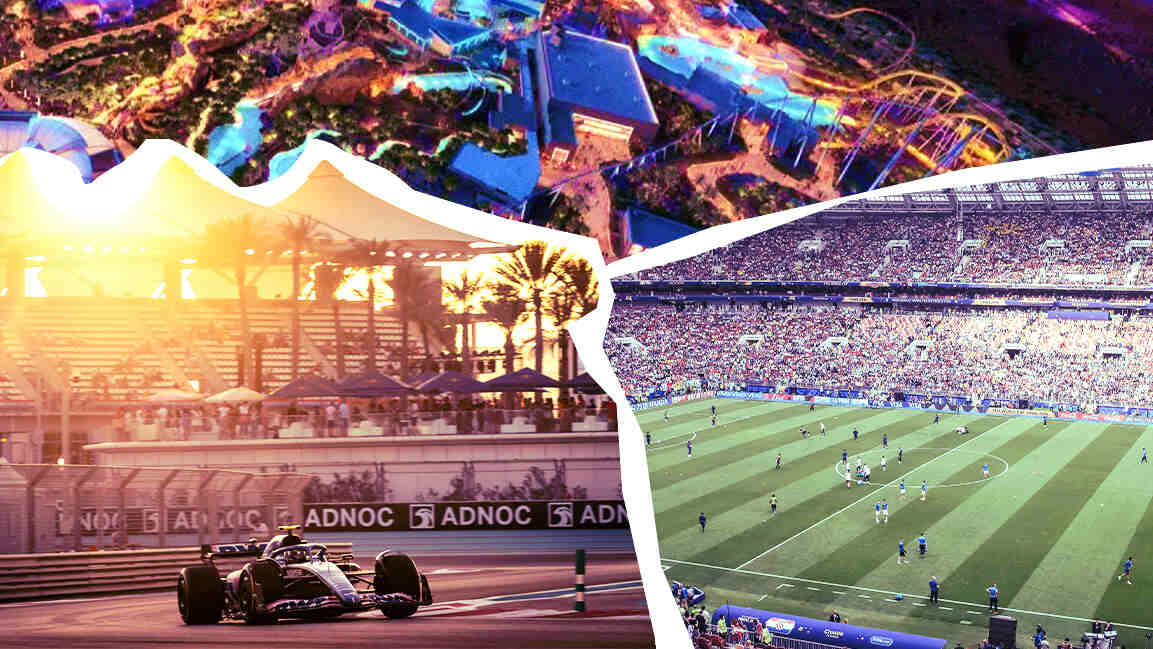


The Gulf spent years importing the world’s biggest sporting events. Now it is trying to export culture back. Saudi Arabia is building entertainment cities. The UAE’s annual calendar includes Formula One races, international concerts, creator-led festivals, and global sporting events. Qatar turned the FIFA World Cup into a global soft-power moment with lasting impact.
But as governments across the region invest billions in sport, entertainment, and tourism, brands are facing a tougher question: what happens after the sponsorship deal is signed?
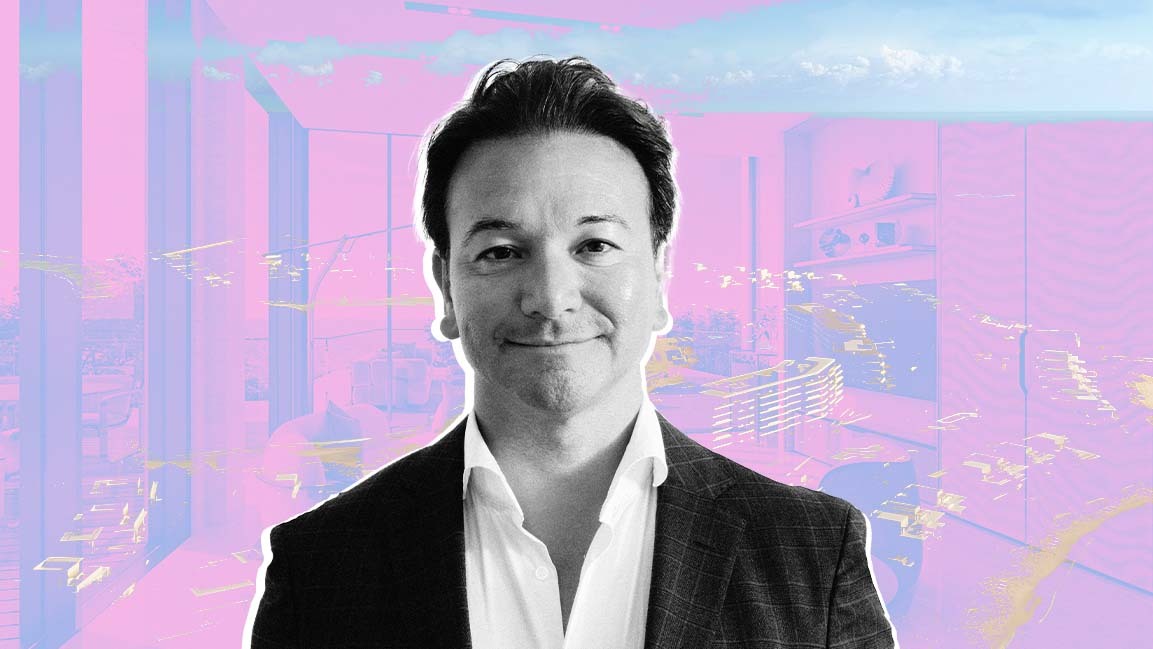
“Signing the partnership is the easy part,” says Danielle Barwick, who relocated from London to lead Fuse’s Dubai operations. Fuse is the Omnicom Media Group-owned sport and entertainment agency that’s expanding into the region, betting its next phase of growth sits at the intersection of cultural fluency and commercial strategy. “What you do with it afterward is where the real work begins.”
The timing reflects a shift in how the region is approaching sport and entertainment. It is no longer only about hosting events. It is increasingly tied to economic diversification, tourism growth, soft power, and the race to build industries capable of shaping global attention.
Saudi Arabia’s Vision 2030 includes a $64 billion plan to grow the entertainment sector’s contribution to 3% of GDP by 2030 and create more than 100,000 jobs, according to EY. The UAE is expanding its creative economy under Dubai’s D33 agenda, while Qatar continues to use sport as a long-term diplomatic and cultural asset after the FIFA World Cup.
For agencies, brands, and rights holders, this is changing the role sport and entertainment play in the region’s economy.
“What struck me immediately about Dubai and the wider Gulf is the pace of ambition. There’s a real willingness here to build, experiment, and create something new, and that feels incredibly energizing,” Danielle Barwick, Fuse Executive Director, says, after relocating from London to lead the agency’s regional operations.
She adds, “For me, that’s what makes this opportunity so exciting. We’re not just here to participate in that growth; we have the chance to help shape how brands connect with people through sport, entertainment, and culture.”
CULTURE BECOMES THE PRODUCT
For most of the past decade, sport and entertainment marketing in the Gulf followed a familiar playbook. Global campaigns were built elsewhere, then adapted for regional audiences. The creative originated in London or New York. The Gulf got a localized version.
That approach is reaching its structural limits.
“The talent, the IP, and the cultural moments are increasingly being created here, not imported,” says Elda Choucair, CEO of Omnicom Media Group MENA. “What’s been missing is agency capability that can originate ideas in the region rather than translate them — that treats sport, entertainment, music, and culture as one connected system rather than four siloed briefs.”
Projects like Qiddiya City, Saudi Arabia’s $8 billion entertainment megadevelopment, aren’t just venues; they’re designed as scaffolding for entirely new industries spanning live events, immersive experiences, and music. The region isn’t building stadiums. It’s building cultural infrastructure.
VISIBILITY IS NO LONGER ENOUGH
At the same time, the region’s young, digitally connected audiences are reshaping how brands compete for attention.
Across the Gulf, governments and private investors are pouring money into live events, creator-led content, music festivals, and sports partnerships as audiences spend more time inside digital and experience-driven ecosystems.
That shift is forcing brands to rethink how sponsorships are measured and what audiences actually remember once events end.
“I always say signing the partnership is the easy part,” Barwick says. “What you do with it afterward is where the real work begins.”
Too often, she argues, sponsorships still operate as visibility exercises rather than long-term audience engagement strategies.
“The real opportunity is creating something people genuinely want to engage with,” she says.
That means investing less in passive exposure and more in storytelling, experiences, and communities that can build relevance over time. In practical terms, brands are being pushed to think beyond logos on stadium walls or event backdrops. Increasingly, success depends on whether audiences actively engage with what brands create in sport, music, entertainment, and culture.
“The brands doing this well are asking better questions,” Barwick says. “Not just what did we sponsor, but what did people actually feel, do, or remember because of it?”
That pressure is intensifying as the Gulf’s entertainment economy becomes more crowded.
Over the past few years, nearly every major Gulf market has accelerated investment in live events, festivals, gaming, creator economies, and international sport. The challenge for brands is no longer access to audiences, but staying memorable in an oversaturated attention economy.
THE GULF IS NOT ONE MARKET
Any brand that enters the Gulf with a single “Middle East strategy” is already behind.
“I’d start by challenging the premise of ‘the Gulf’ as a single thing,” Choucair says. “The UAE, Saudi Arabia, and Qatar are distinct sovereign markets with different ambitions, regulatory environments, and audiences.”
This is a point that gets underestimated from the outside. Saudi Arabia’s entertainment expansion is inseparable from Vision 2030 and the national transformation agenda behind it. Dubai is running a parallel project, positioning itself as a global hub for lifestyle, events, and creative economy — with entirely different cultural logic. Qatar is using sport as diplomatic currency, building long-term international influence on the back of its World Cup moment.
Internally, those differences shape everything from which content gets made to which partnerships make sense. Campaigns designed to resonate across all three markets tend to resonate in none of them.
“You can’t simply lift a global campaign and expect it to land here,” Barwick says. “Audiences detect generic quickly.”
WHY ENTERTAINMENT WINS IN UNCERTAINTY
There’s a counterintuitive dynamic running through all of this. The Gulf’s entertainment expansion is happening against a backdrop of global geopolitical instability, economic volatility, and shifting consumer sentiment. And yet brands are leaning further in, not pulling back.
Choucair has a clear theory about why. “When products feel inappropriate to push and corporate messaging risks being tone-deaf, sport and entertainment remain emotionally legitimate,” she says. “They give brands a way to be present without being opportunistic.”
The argument holds historically. Shared live experiences — sport, music, festivals — tend to consolidate, not fracture, during periods of uncertainty. People still want to gather. They still want to feel something together. Gulf governments appear to have internalized this logic deeply: continued investment in live entertainment and tourism infrastructure, even as global headwinds build, reflects a read that experience-driven economies are more resilient than they look.
THE HARD PART STARTS NOW
The infrastructure argument for Gulf cultural ambition is compelling. The venues exist. The events are established. The audience is engaged. But there’s a harder question lurking beneath the investment thesis: can a government-backed cultural ecosystem generate the kind of organic, self-sustaining influence it aims for?
Building a stadium is one thing. Creating a cultural moment that audiences adopt, export, and keep alive — without state support behind it — is another. The Gulf’s entertainment economy has shown it can attract the world’s biggest events. It hasn’t yet proven it can produce the next one.
That’s the test now. Not visibility. Not infrastructure. Whether the region can move from hosting culture to shaping it, producing entertainment brands, creative IP, and cultural moments with reach beyond its own borders.
“I’d rather be held to three things people can actually point to than to the generic metrics every agency claims,” Choucair says. “If, in five years, I can name the work and the clients can name the business outcome, we’ve succeeded.”
The Gulf is done importing. How it can become an exporter of ideas, not just events, is the story that plays out from here.