
- | 12:00 pm
UAE’s OPEC exit signals shift toward energy autonomy and flexibility
Over more than five decades, the UAE has been a key player in supporting oil market stability and fostering dialogue among producers.
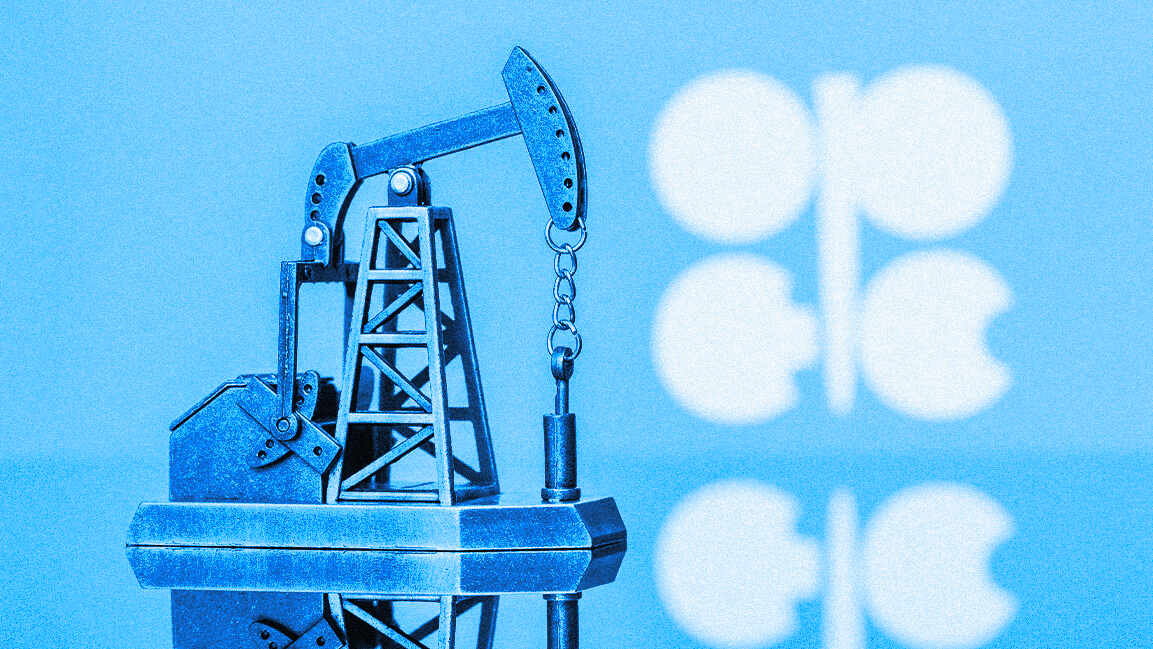


In a move that could reshape its role in global energy markets, the United Arab Emirates has announced it will exit the Organization of the Petroleum Exporting Countries and its extended alliance, OPEC+, effective May 1, 2026, underscoring a decisive pivot toward greater strategic autonomy and long-term market responsiveness.
The move reflects the UAE’s evolving economic vision and energy profile, as it accelerates investment in domestic production capacity while aiming to play a responsible, reliable, and forward-looking role in global energy markets.
The decision follows a comprehensive internal review of production policy, current and future capacity, and is rooted in national interest and the need to respond more effectively to shifting global demand.
The announcement comes amid heightened volatility in global energy markets, with supply dynamics shaped by disruptions at key transit points, such as the Arabian Gulf and the Strait of Hormuz. Despite near-term uncertainty, the UAE pointed to sustained long-term growth in global energy demand.
A stable global energy system, it said, requires a supply that is flexible, reliable, and affordable. The UAE has increasingly positioned itself to meet that demand efficiently while balancing stability with sustainability.
The country’s relationship with OPEC dates back to 1967, when Abu Dhabi first joined the organization, and later continued membership after the UAE’s formation in 1971. Over more than five decades, the UAE has played a central role in supporting oil market stability and fostering dialogue among producers.
Officials now describe the exit as a policy-driven evolution designed to give the country greater agility in responding to market dynamics while maintaining its role as a stabilizing force.
Following its departure, the UAE said it will continue to bring additional production to market gradually and in a measured manner, aligned with global demand and prevailing market conditions. With a large and competitive resource base, the country will also deepen collaboration with partners to support economic growth and diversification.
“This decision does not alter the UAE’s commitment to global market stability or its approach based on cooperation with producers and consumers. Rather, it enhances the UAE’s ability to respond to evolving market needs,” the country said in a statement.
“We reaffirm our appreciation for the efforts of both OPEC and the OPEC+ alliance and wish them success. During our time in the organization, we made significant contributions and even greater sacrifices for the benefit of all. However, the time has come to focus our efforts on what our national interest dictates and our commitment to our investors, customers, partners, and global energy markets. This is what we will focus on going forward,” the statement added.
Looking ahead, the UAE reiterated that its production policies will remain guided by responsibility and market stability, alongside continued investments across the energy value chain, including oil, gas, renewables, and low-carbon solutions, to strengthen resilience and support long-term energy transition goals.
Even outside OPEC, the UAE signaled it will remain actively engaged with global partners, building on more than 50 years of cooperation to support stable and balanced energy markets.

Featured Videos
Today's Top Stories:
More Top Stories:



FROM OUR PARTNERS