
The UAE is accelerating its industrial transformation agenda with a sweeping set of policy reforms to strengthen domestic manufacturing, secure critical supply chains, and reduce reliance on imports.
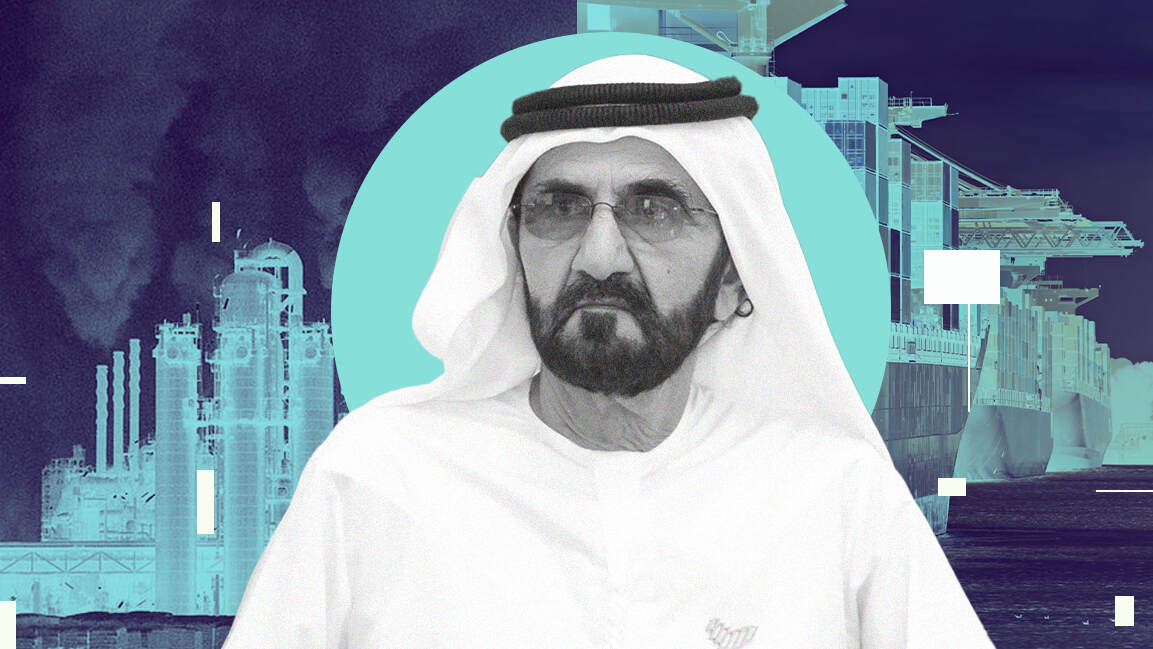
At the latest Cabinet meeting, Mohammed bin Rashid Al Maktoum, Vice President, Prime Minister, and Ruler of Dubai, approved the creation of a AED 1 billion ($272.2 million) National Industrial Resilience Fund, alongside major policy shifts designed to fast-track the localization of more than 5,000 essential products.
“Today, we made decisions to accelerate the UAE’s industrial growth. We are launching an AED 1 billion fund to strengthen resilience, expand local production, secure supply chains, and scale the use of artificial intelligence across production and operations,” Sheikh Mohammed said.
The fund will serve as a strategic vehicle to enhance industrial readiness across sectors critical to national security and economic continuity. It will support local production, build strategic reserves, and strengthen industrial value chains, while integrating artificial intelligence into forecasting, planning, and risk management.
National priority sectors set to benefit include food security, pharmaceuticals, manufacturing, advanced technology, medical supplies, primary metals, construction, and chemicals.
In a significant policy shift, the Cabinet also approved amendments to the National In-Country Value Program, transitioning it from an incentive-based framework to a mandatory model across federal entities and companies with at least 25% government ownership.
“We made the National In-Country Value Program mandatory across all government entities and national companies, and strengthened the presence of UAE-made products. Our target is clear: fully localize more than 5,000 critical products… We reviewed preparations for ‘Make it in the Emirates 2026’ in Abu Dhabi next month, bringing together global investors and industry leaders,” Sheikh Mohammed added.
The revised framework is expected to channel institutional demand toward locally made products, strengthen supply continuity, and position government spending as a key driver of industrial localization.
Further reinforcing this push, the Cabinet approved a policy to expand the market presence of UAE-manufactured products across both physical retail outlets and digital platforms.
The first phase will prioritize essential consumer staples with scalable local production, including bottled water, dairy products, eggs, poultry, bread, flour, packaged vegetable oils, and seasonal vegetables.
The Cabinet also reviewed preparations for the fifth edition of Make it in the Emirates, scheduled to take place from May 4 to 7 at ADNEC in Abu Dhabi. The flagship event is expected to attract more than 120,000 visitors and feature over 1,000 exhibitors across 12 industrial sectors.
New initiatives set to be launched at the event include the Start-ups Hub, the Quality Infrastructure Platform, and the House of Industry, a national museum dedicated to documenting the UAE’s industrial development journey.
Additionally, the government approved the establishment of a National Industrial Data Committee to improve data accessibility, strengthen integration across federal systems, and address legislative gaps.
Sultan Ahmed Al Jaber, Minister of Industry and Advanced Technology, said: “These decisions reflect the leadership’s vision to advance a more resilient and sustainable national industrial model, built on the localization of critical industries, the strengthening of supply chains, and directing demand toward national products. They also support the accelerated adoption of artificial intelligence across production and planning processes, enhancing the competitiveness of the industrial sector and reinforcing its contribution to economic growth.”