
- | 11:00 am
Global energy investment set to reach record $3.4 trillion in 2026
The International Energy Agency said the Middle East conflict has prompted producers and consumers to reassess long-term investment plans.
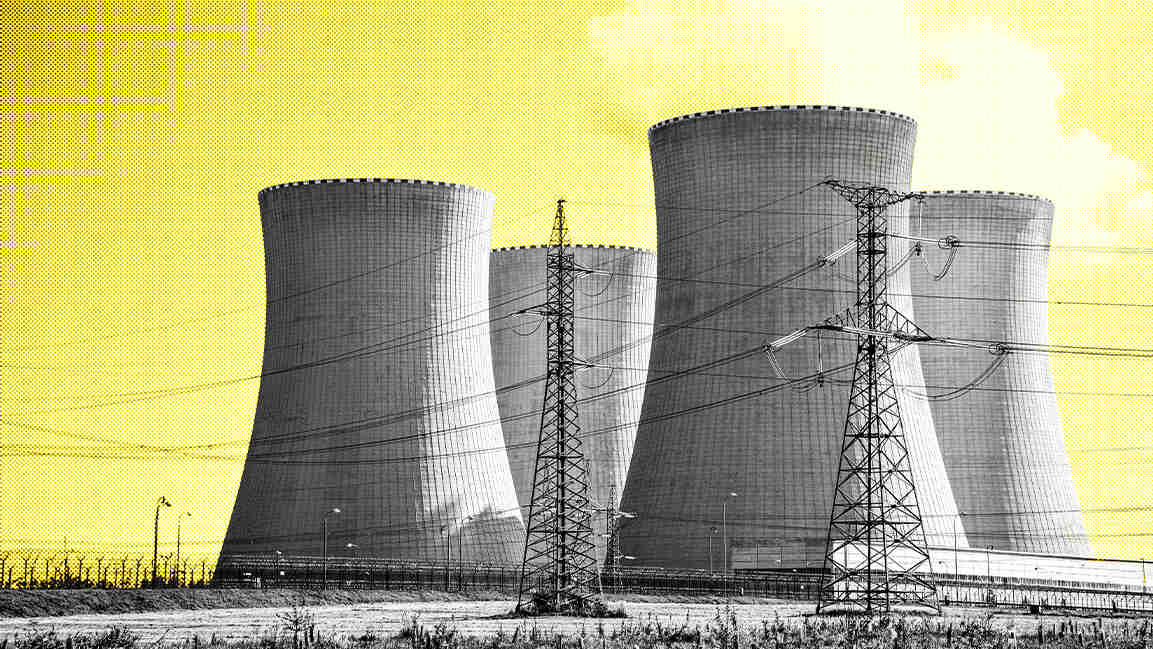


Global energy investment is projected to increase by 5% to a record $3.4 trillion in 2026, despite ongoing conflict in the Middle East, as governments and companies seek to strengthen energy security and diversify supply routes, according to the International Energy Agency (IEA).
The IEA’s World Energy Investment 2026 report forecasts that around $2.2 trillion will be invested this year in renewables, nuclear power, electricity grids, energy storage, low-emissions fuels, efficiency measures, and electrification, compared with approximately $1.2 trillion allocated to oil, natural gas, and coal.
The agency said the conflict has damaged energy infrastructure, disrupted trade routes, and heightened concerns over the Strait of Hormuz, prompting both producers and consumers to reassess their long-term investment strategies.
“We are in the midst of the largest energy security crisis the world has ever faced – and I believe this will reshape investment strategies globally, with parallels to the major changes the energy world witnessed after the oil shocks of the 1970s,” said Fatih Birol, executive director of the IEA.
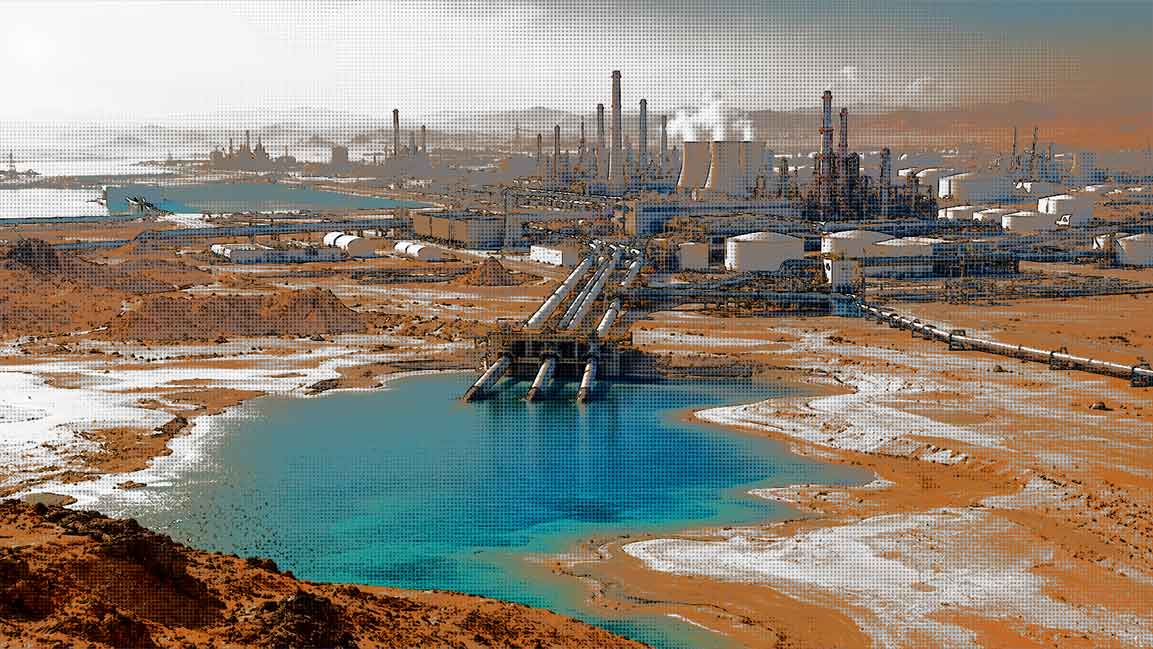
According to the report, more than 30 energy facilities across the Middle East, including refineries, petrochemical plants, and oil and gas production sites, have been damaged during the conflict. Two liquefaction trains at Qatar’s Ras Laffan LNG complex were affected, while around 20 tankers have been struck.
“The total repair bill is difficult to establish with any precision, but is set to run into tens of billions of dollars,” the IEA said, adding that higher domestic financing needs could reduce capital flows to infrastructure and energy projects in other regions.
The conflict has also weighed on investment plans in countries heavily reliant on the Strait of Hormuz for exports. Iraq and Kuwait have revised their investment plans downward because of lower export revenues, while Saudi Arabia and the UAE have been better positioned to manage disruptions through alternative export infrastructure.
The IEA said that developing additional export routes will require substantial investment in pipelines, ports, and related infrastructure, alongside reconstruction efforts to improve resilience.
The report also highlighted growing interest among fuel-importing countries in domestic energy sources, including renewables, nuclear power, and, in some cases, coal.
Global investment in renewable power projects is expected to reach approximately $665 billion in 2026, including $365 billion for solar energy alone. Low-emissions technologies are forecast to account for around 70% of total power-generation investment worldwide.
Nuclear energy is also gaining momentum, with annual investment exceeding $80 billion and 78 gigawatts of new capacity currently under construction across 15 countries.
Despite higher oil prices, global investment in oil supply is expected to decline for a third consecutive year, falling to below $500 billion in 2026. The IEA said oil companies have largely maintained their near-term spending plans, though investment expectations in the Middle East have been revised downward due to conflict-related disruptions.
Natural gas investment remains more resilient, with spending forecast to reach $330 billion this year, the highest level in a decade. Qatar remains central to global LNG expansion plans, although the conflict has delayed the market-balancing impact of new export capacity.
The rapid growth of artificial intelligence and data centers is also emerging as a major driver of energy investment, particularly in the United States. Orders for new gas-fired power plants reached a 25-year high in 2025, with rising data-center demand playing a significant role.
“The strong demand in the US and the Middle East is limiting the availability of turbines for near-term deployment elsewhere in the world,” the IEA said.

Featured Videos
Today's Top Stories:
More Top Stories:

FROM OUR PARTNERS